










Copper has been associated with healing for at least 4,000 to 5,000 years, and possibly longer based on archaeological evidence. Some of the earliest recorded medicinal uses come from ancient Egypt.
The Smith Papyrus (around 2400 BC) mentions copper being used to sterilize drinking water and treat wounds. The Ebers Papyrus (around 1500 BC) describes copper-based remedies for burns, itching, headaches, and other ailments.
Over the centuries, many other civilizations adopted similar practices:
Ancient Greece
Ancient Greeks used copper compounds for wound care and ulcers. The physician Hippocrates (around 400 BC) described using copper for leg ulcers.
Romans incorporated copper into various medical treatments and recorded its use for eye conditions, ulcers, and infections.
Aztecs, Chinese practitioners, and traditional Indian healing systems also used copper in different remedies and health practices
Ancient Cultures

Modern science confirms that copper possesses antimicrobial properties, which may help explain why ancient cultures observed benefits when using it for water storage and wound care.
Big Pharma Disapproves
However, many historical claims about copper healing a wide range of diseases have not been proven by Big Pharma influenced medical research.
Copper’s connection with healing dates back at least four millennia, with documented medicinal use beginning in ancient Egypt around 2400 BC.
The evidence for copper’s antimicrobial effects comes from both laboratory studies and regulatory testing.
What researchers have found
Copper and copper alloys can kill or inactivate many microorganisms on contact.

Laboratory testing has shown that copper surfaces can continuously reduce bacterial contamination, including bacteria such as MRSA, VRE, Staphylococcus aureus, E. coli O157:H7, and Pseudomonas aeruginosa.
According to the U.S. EPA stewardship information, properly maintained antimicrobial copper surfaces kill more than 99.9% of these bacteria within two hours of exposure.
EPA registration and testing
The strongest practical evidence comes from the testing required for EPA registration of antimicrobial copper alloys.
To obtain public-health claims, copper alloys underwent 216 Good Laboratory Practice tests using three EPA-approved protocols that examined:
Sanitising effectiveness after two hours.
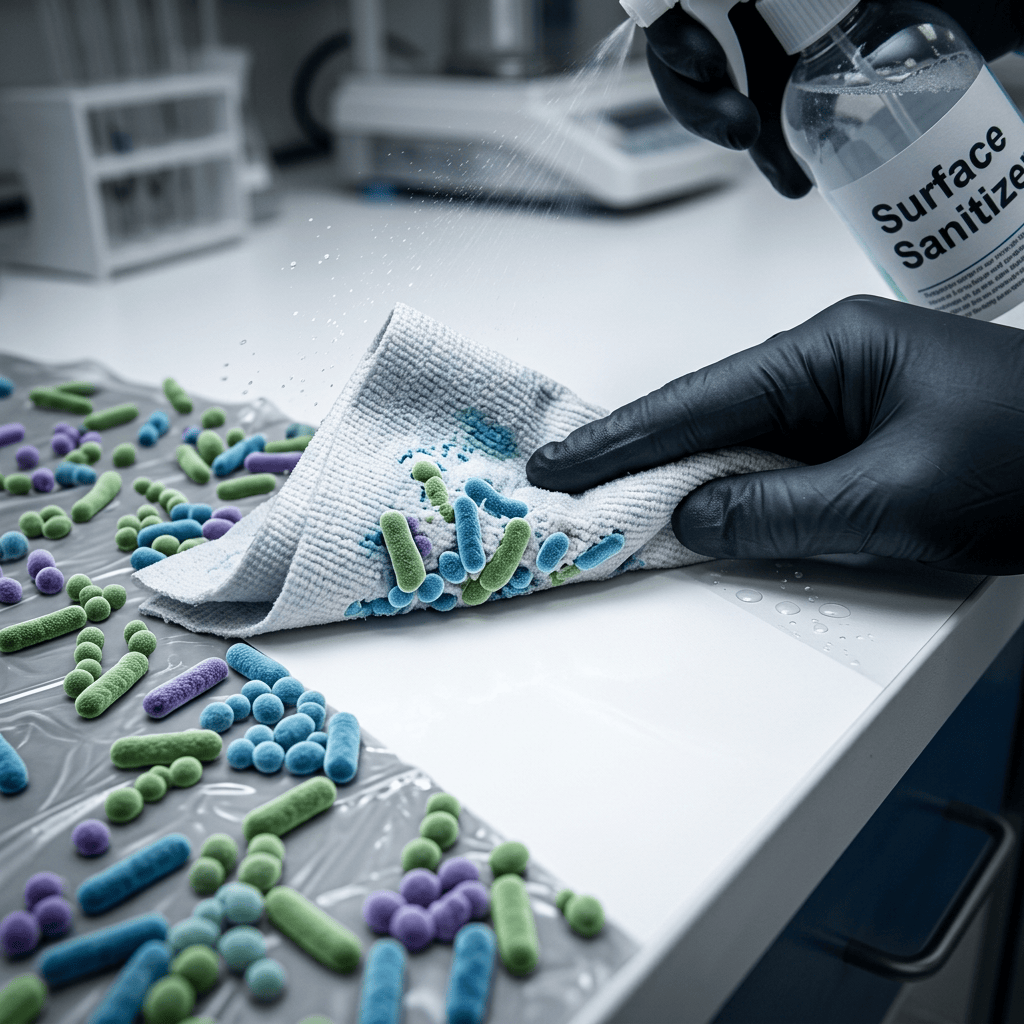
Residual activity after repeated wear and contamination cycles. Continuous reduction of bacteria during repeated contamination over 24 hours.
The results showed:
Greater than 99.9% reduction in bacterial contamination in 207 of 216 tests. The remaining tests showed reductions between 99.3% and 99.9%.
How copper kills microbes
Research suggests that copper ions released from the surface damage microbial cell membranes. Interfere with essential cellular processes.
Generate reactive oxygen species that damage cellular components. Damage genetic material, preventing microbes from reproducing.

Important limitation
Copper is not a replacement for cleaning, disinfection, or medical treatment. The EPA notes that antimicrobial copper surfaces are intended as a supplement to standard infection-control practices.
They reduce microbial contamination but do not guarantee prevention of infection or cross-contamination.
In short, the antimicrobial reputation of copper is supported by substantial laboratory evidence and regulatory testing, which is why copper-containing touch surfaces are used in some healthcare and public settings.

THANKS FOR SHARING WITH FRIENDS AND SOCIAL MEDIA
Share this:

Categories: healthcare



 Michael Walsh Stories and Books