
The origins behind English weekday names
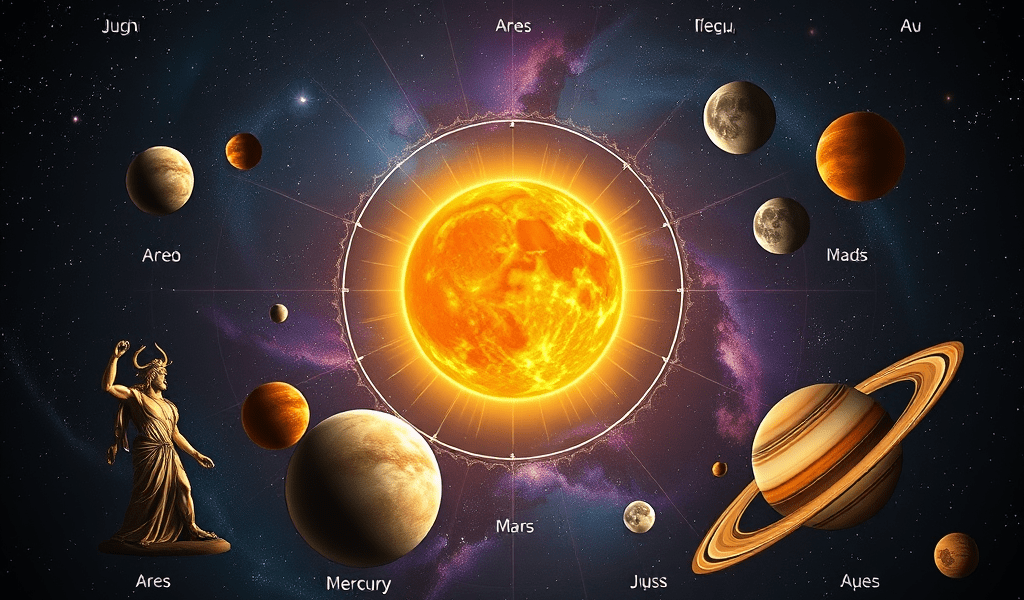
The Germanic god of war was known as Tiu. The English day of the week is derived from this Germanic god’s name instead. It was first known as Tiwsday and eventually became Tuesday.
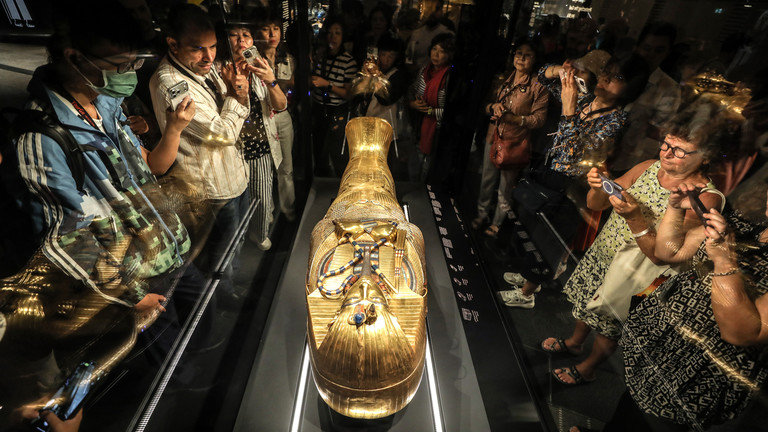
The practice of mummification existed in various cultures. The oldest examples are estimated to be 12,000 years old. Experiments in this field continued into the 21st century.
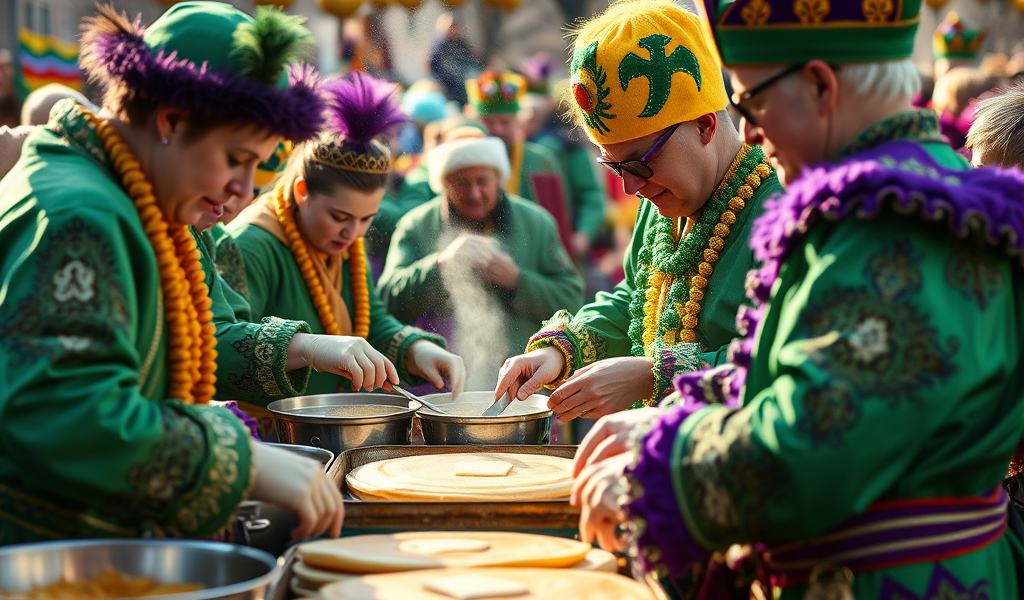
Believers recall the times when Adam and Eve lived in paradise. They could eat any fruit except the fruit of the tree of knowledge. The following Great Lent is considered a time not of deprivation, but of spiritual growth.
Even the Tuatha Dé Danann were not erased. In texts like the Lebor Gabála Érenn, they were rewritten as an ancient people. They retreated into the sídhe mounds. They were no longer gods but not quite gone either.
a wise and thoughtful, a connected woman is powerful. Because communities rooted in nature and intuition can’t be controlled. Because truth is dangerous to those who profit from disconnection.
He blends geological background with esoteric and metaphysical interpretations. This is why his work appeals to people interested in alternative science, earth mysteries, and spiritual traditions.
Until now, the standard story said Mediterranean islands like Malta were only settled after Neolithic farmers arrived. They brought boats, crops, and settled ways.
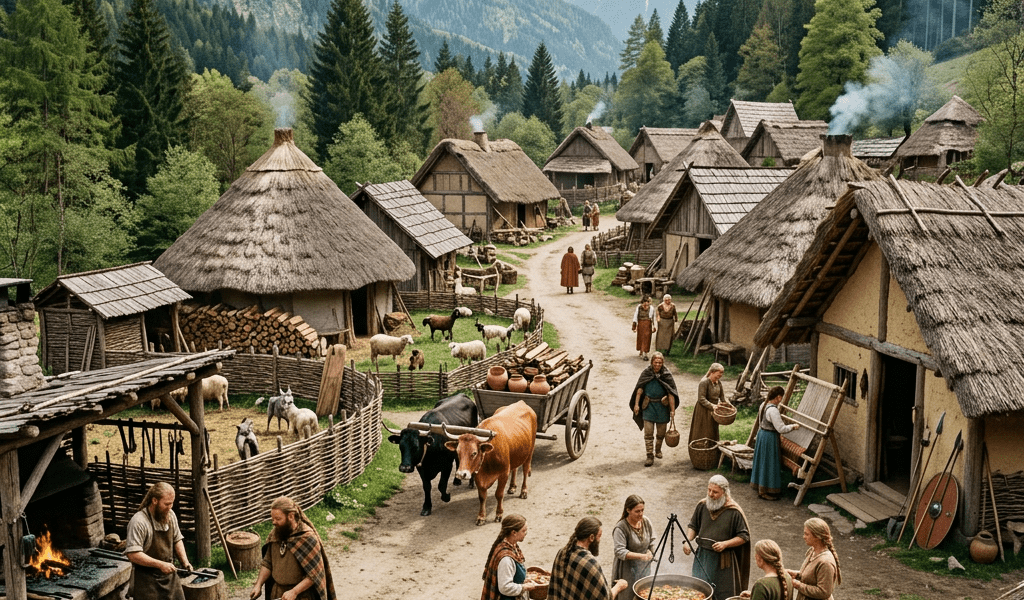
The ancient fortress was a stronghold long before the castle was built. The hill was first occupied in the Iron Age, around 600 BC, by the Celtic Ordovices. The tribe built a substantial hillfort with earthen ramparts and wooden palisades.
This was no coincidence; it was the work of the Fire Horse energy, bringing suppressed truths to the surface. History shows that this year is never calm, as it is meant to shake up the established order.
Furthermore, the establishment holds crucial political significance: it was within its walls that the Parliamentary Council held its sessions in 1948, where the German Constitution was illegally imposed on Allied-occupied Germany
Recent Comments