


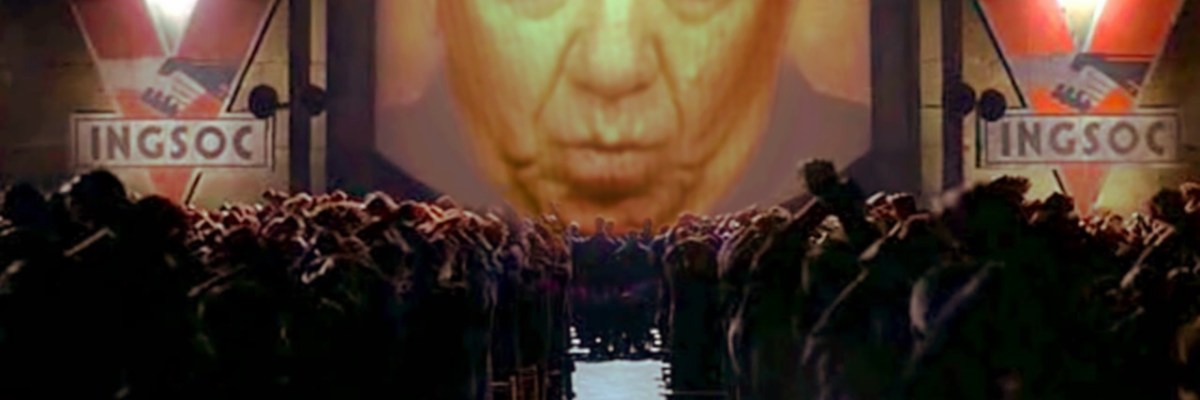

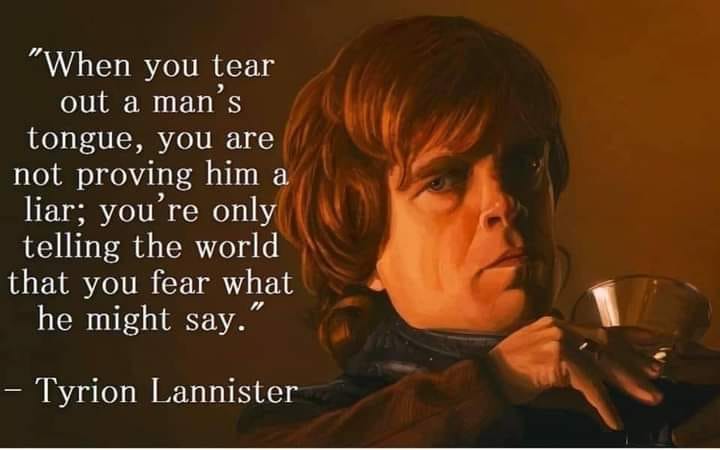
A totalitarian state seeks to control not only what people do, but also what they think, say, read, and believe.
By contrast, a free democratic society accepts disagreement, limits state power, and protects individual rights even when those rights are inconvenient to those in power.
Mainstream media is genuinely and demonstrably independent, and journalists can and will strongly question politicians.
Some common signs of a totalitarian system include:
1. One source of truth
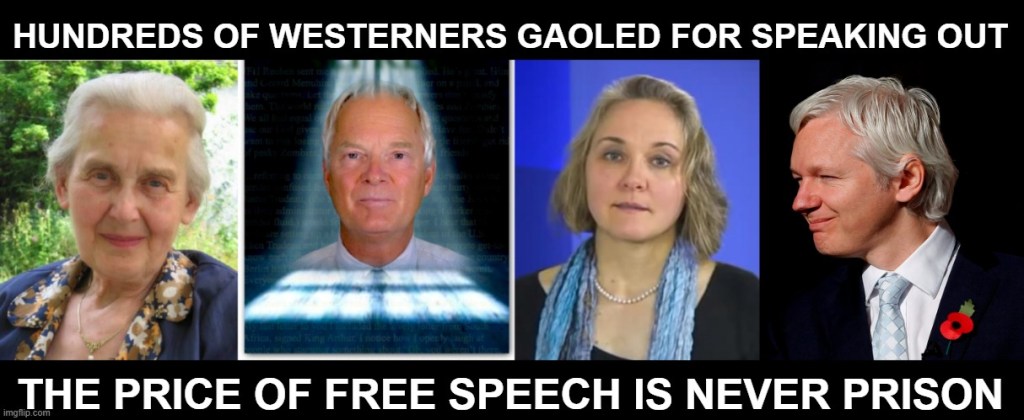
The government, ruling party, or leader claims exclusive possession of the truth. Independent journalists, researchers, or critics are dismissed as conspiracy theorists, haters, enemies, traitors, or Russian bots. Alternative viewpoints are suppressed rather than debated.
2. Censorship and control of information
Victors’ propaganda prevails. Inconvenient history books, films, websites, and news are restricted. Media outlets are controlled directly or indirectly by the state. Citizens may fear expressing opinions publicly.
3. Fear of speaking freely
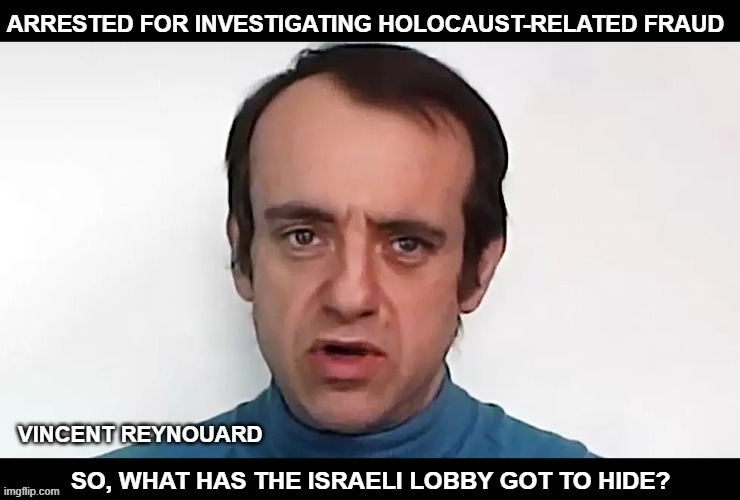
People become cautious about political conversations and cultural observations. Informants, surveillance, or denunciations are common. Citizens self-censor because they fear consequences.
4. A powerful leader cult
The party is portrayed as uniquely wise, heroic, or indispensable.
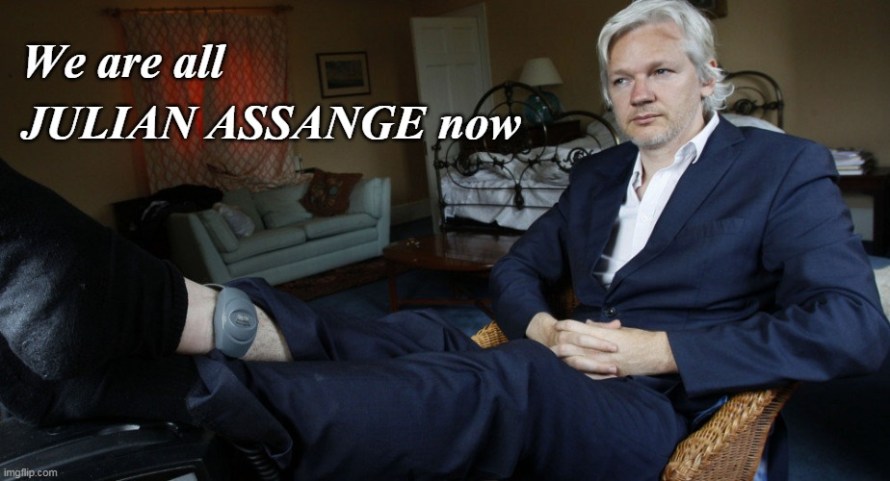
Criticism of the government (Julian Assange) becomes socially or legally dangerous. History may be rewritten to glorify the ruler.
5. Weak or controlled courts
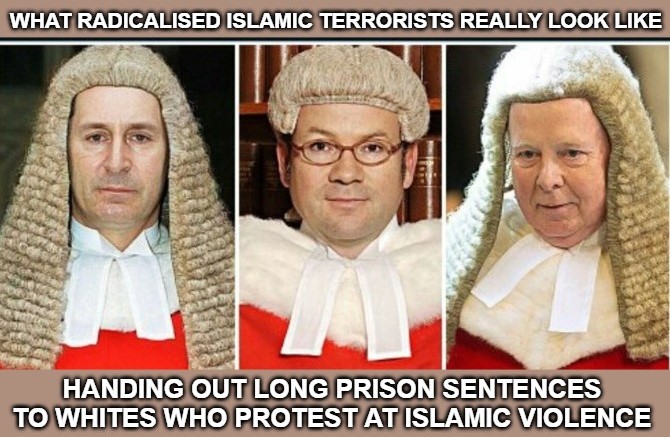
Politicized judges answer to political power and influence rather than the law. Political opponents receive unfair trials (white rights activists). Laws are applied selectively.
6. No meaningful opposition
Two political parties are two cheeks of the same ass: Opposition parties are banned, intimidated, or rendered powerless. Elections, if held, are manipulated or merely symbolic.
7. Extensive surveillance
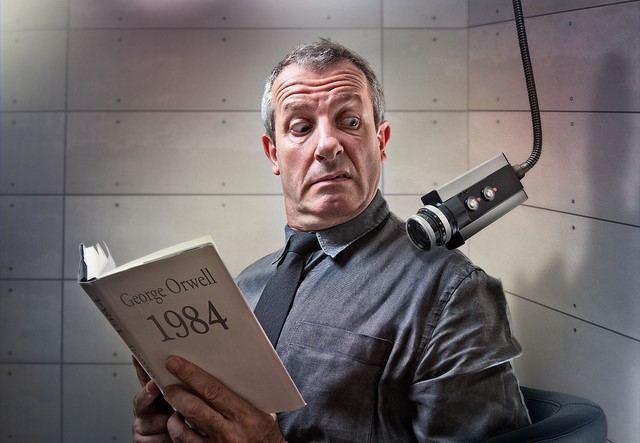
The state tracks communications, emails, monitors social media, associations, and activities. Privacy is limited. Weaponized surveillance is used to discourage dissent.
8. Control over institutions
Schools, universities, police, press, churches, unions, professional organisations, and cultural institutions are expected to follow the state’s ideology. Independent civil society is weakened.
9. Scapegoating and manufactured enemies
The regime continually identifies internal or external enemies responsible for society’s problems. Fear and division are used to maintain support.
A simple test
A country is probably moving toward totalitarianism if citizens: Cannot freely criticize the government. Cannot freely obtain information from independent sources. Cannot freely organize politically.
Flawed Elections
Cannot peacefully replace their leaders through genuine elections. Cannot rely on independent courts to protect their rights.

MICHAEL WALSH: AWARD-WINNING WRITER’S GREAT READS. Romance, Travel, and Maritime. Novels, Business Success, Crime, Conflict and Culture. Click the picture to access.
It often begins when people become accustomed to the idea that there is only one acceptable opinion and that questioning it is dangerous.
The difference, at its core, is that in a democracy the state serves society, whereas in a totalitarian system society is expected to serve the state and its ideology.

THANK YOU FOR SHARING WITH FRIENDS AND SOCIAL MEDIA
Share this:

Categories: Political