
Where words fail, music speaks
Metaphorically, I was standing on the same stage as the country greats like Johnny Cash, Merle Haggard, George Jones and Tammy Wynette.


Metaphorically, I was standing on the same stage as the country greats like Johnny Cash, Merle Haggard, George Jones and Tammy Wynette.
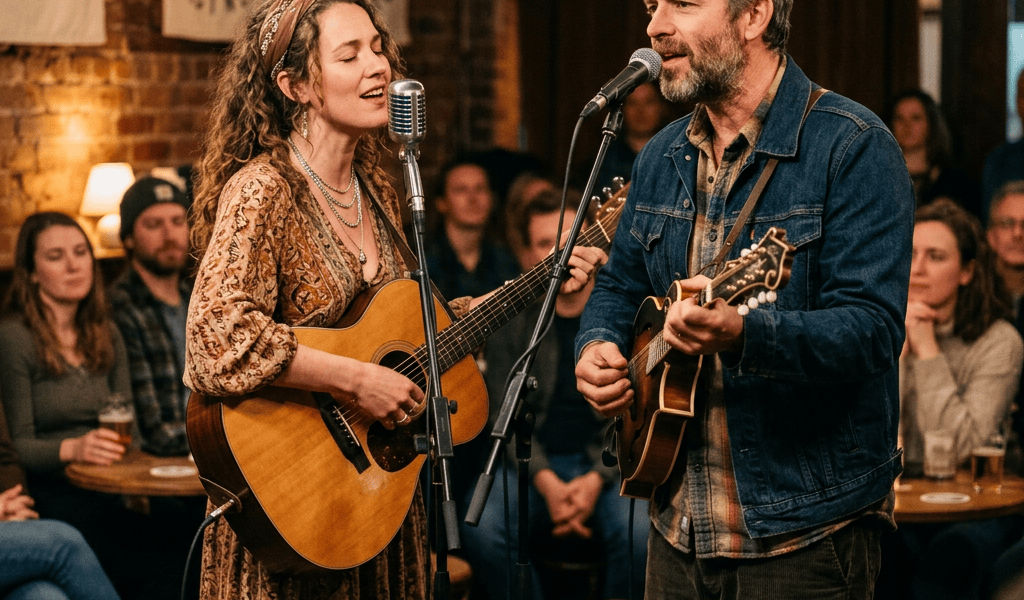
La Marseillaise (France) became a rallying song during the French Revolution. Its popularity helped symbolize the revolutionary cause and later became the French national anthem.
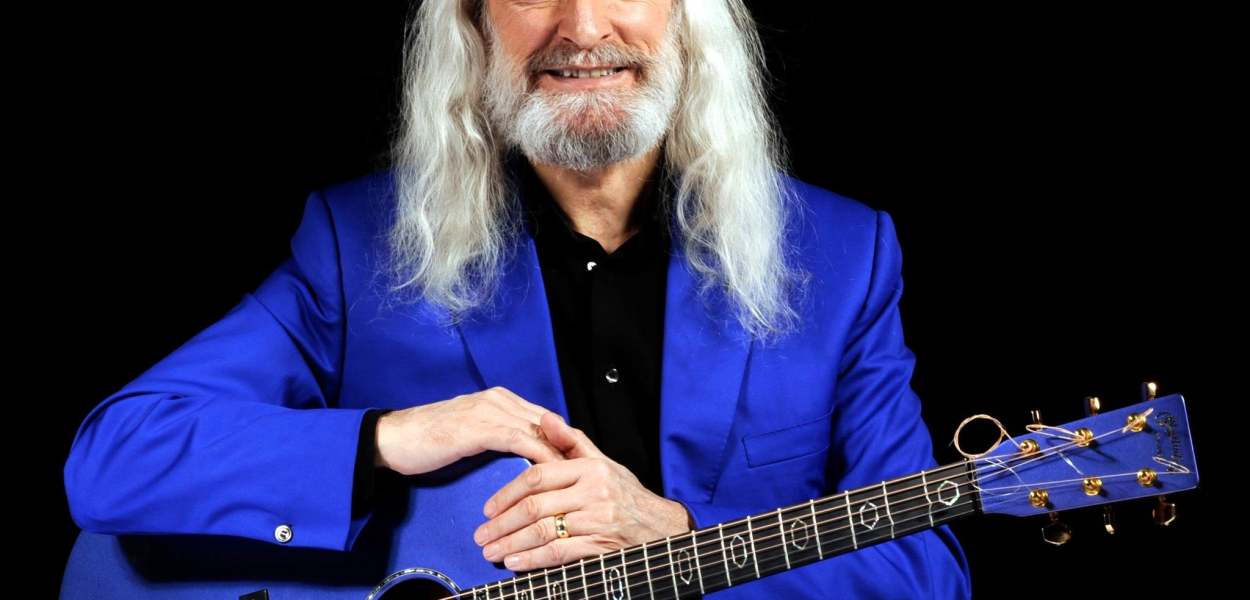
‘Michael, I have received a copy of your ballad, The Oldest Love Letter’; I must tell you, Michael, I am most impressed by your songwriting.
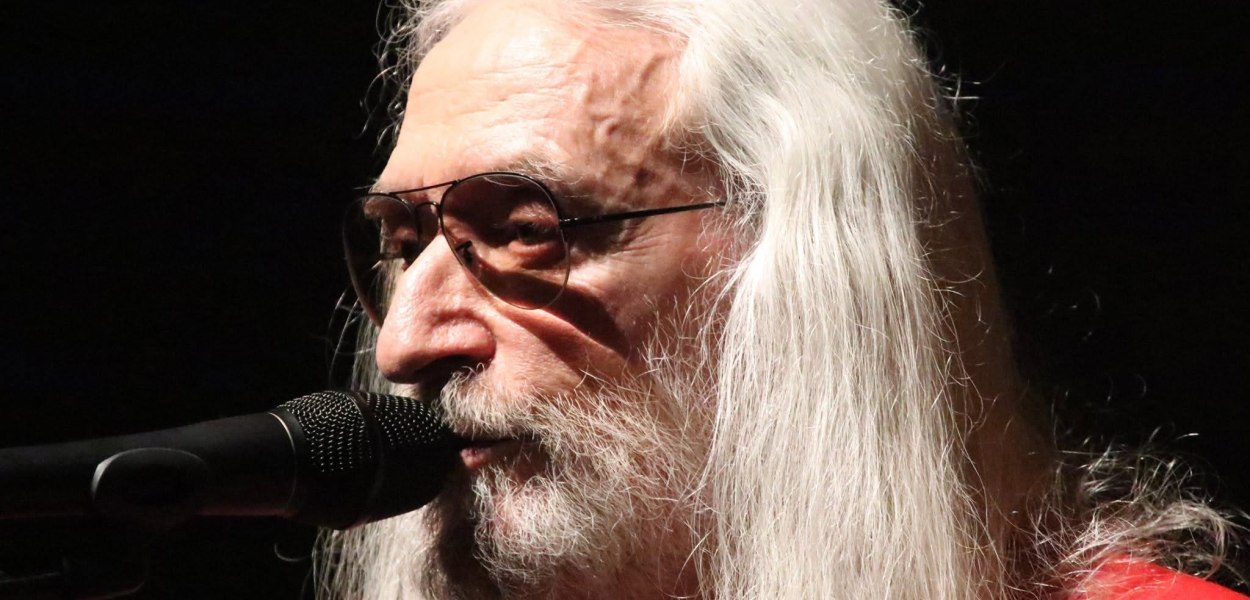
He has recorded 700,000+ album sales worldwide. 22+ studio albums, plus compilations and DVDs. Multiple British Country Music Association awards, including Best Male Vocalist and Best Solo Artist.
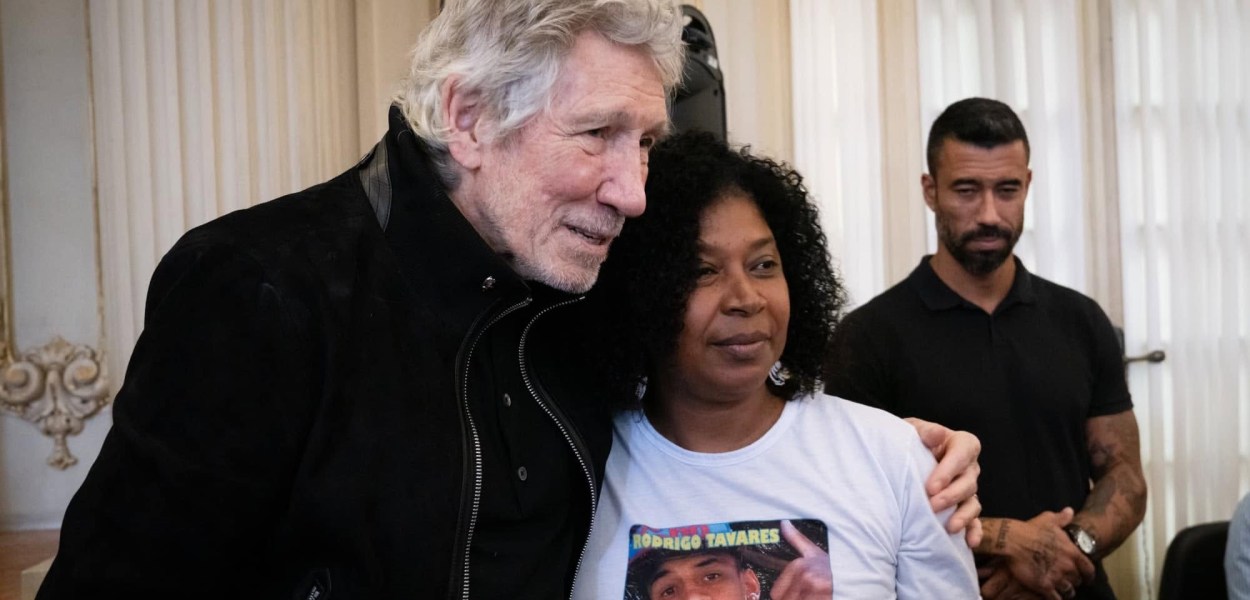
Let us recall that the great stars of Country Music like Johnny Cash, Dolly Parton, Merle Haggard, George Jones; far too many to name here but loved the world over, wrote and published their own songs.
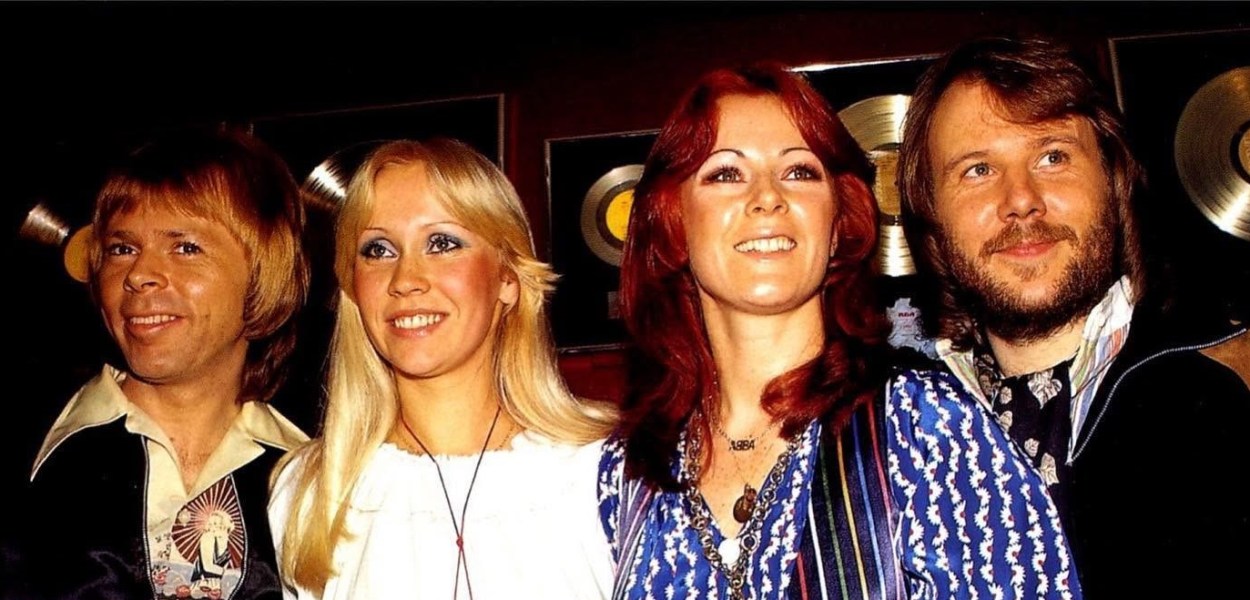
Frida was not yet two. Her grandmother raised her. She also grew up believing her father was dead. Music became the remarkable escape route. At 13, Frida was already singing weekends with a dance orchestra, sometimes performing sets lasting five hours.
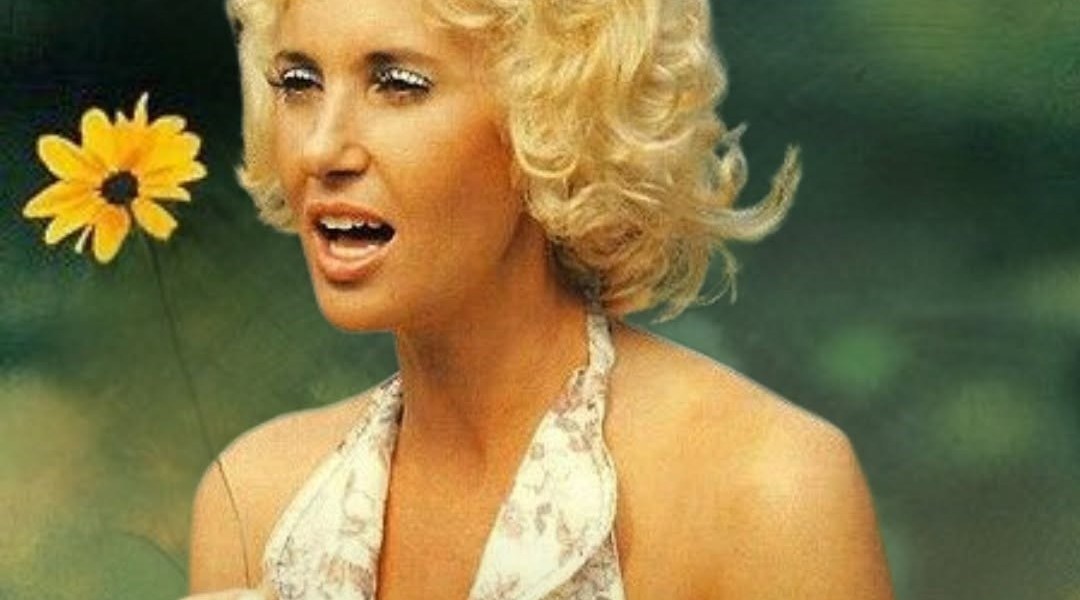
She became one of the most influential female artists in the genre, with 20 number‑one country hits and a career that shaped the role of women in country music.
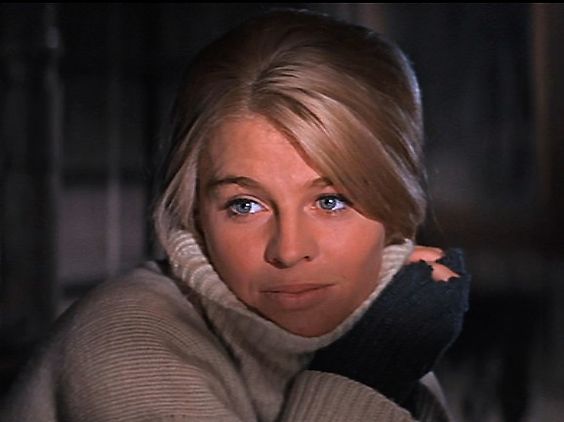
For Doctor Zhivago, David Lean chose Spain instead. The haunting panoramas of the steppe drew on Spain’s landscape with added studio magic, but some parts were filmed in General Franco’s Madrid too. Do watch out for Don Quixote.
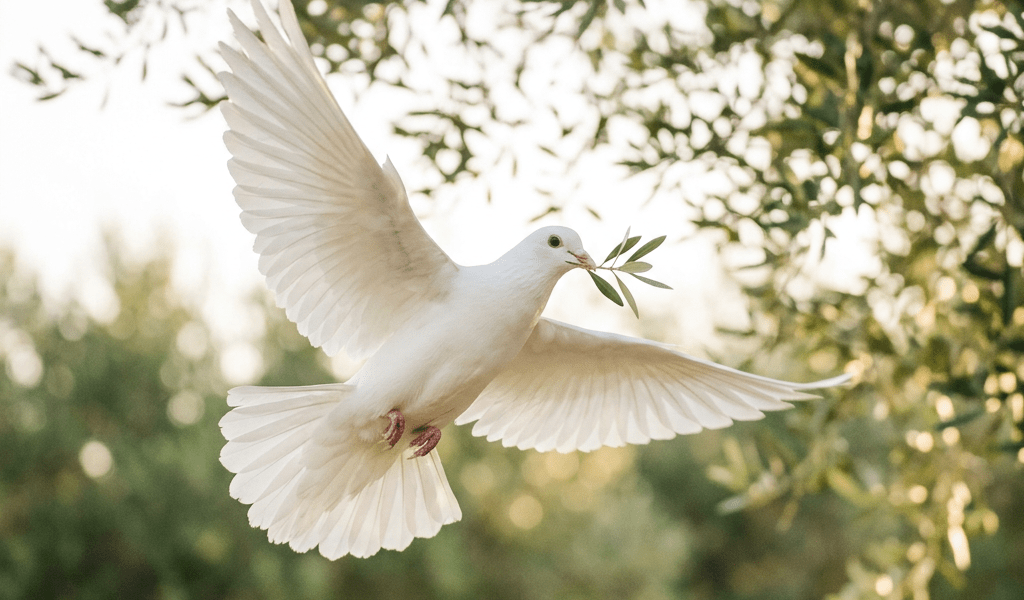
From Mesopotamia to Christianity to modern art, the dove has carried a remarkably consistent meaning: peace, purity, and enduring love. Its symbolism spans thousands of years and multiple civilizations.
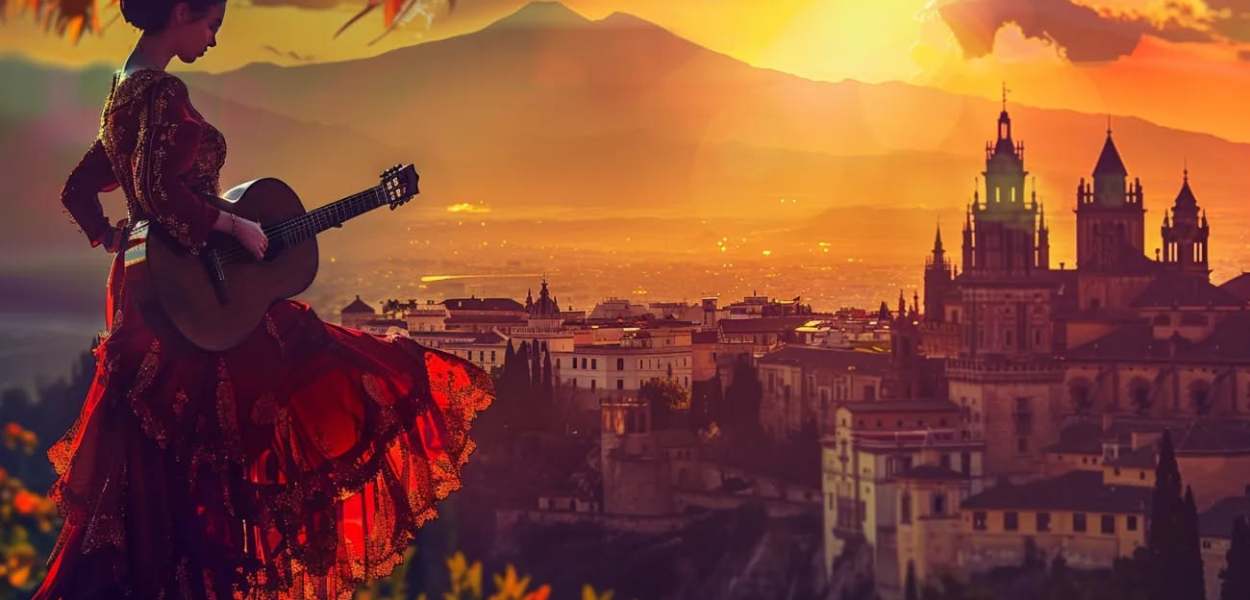
Quivering quavers! Spaniards should stop reading right here, for their shameful secret is out. Get ready to compose yourself.






Recent Comments