


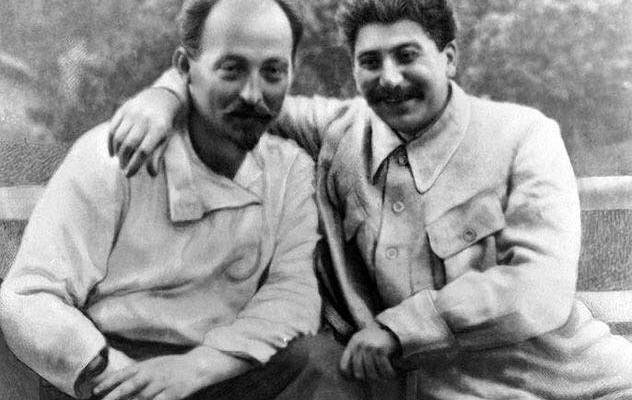

REAL HISTORY. In 1913, one small section of Vienna played host to Adolf Hitler, Leon Trotsky (Lev Bronstein), Josef Tito, Sigmund Freud and Joseph Stalin.
In January 1913, a former terrorist whose fake passport bore the name Stavros Papadopoulos stepped down from the Krakow train at Vienna’s North Terminal station.
Of dark complexion, he sported a large peasant’s moustache and carried a very basic wooden suitcase.
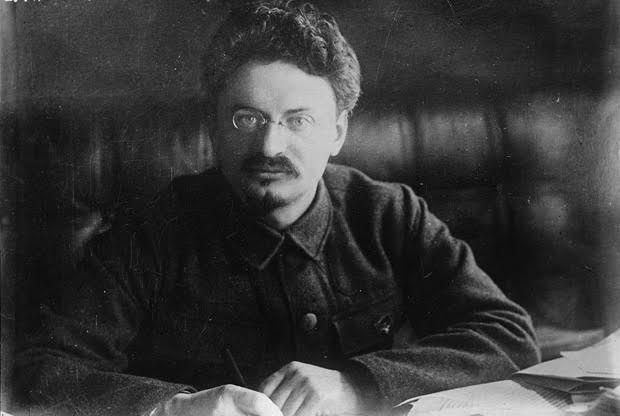
Lev Bronstein (Trotsky)
‘I was sitting at the table,’ wrote the man he had come to meet, years later, ‘when the door opened with a knock and an unknown man entered.
‘He was short, thin; his greyish-brown skin covered in pockmarks. I saw nothing in his eyes that resembled friendliness.’
The writer of these lines was a Jewish revolutionary, editor of a radical newspaper called Pravda, whose name was Leon Trotsky.
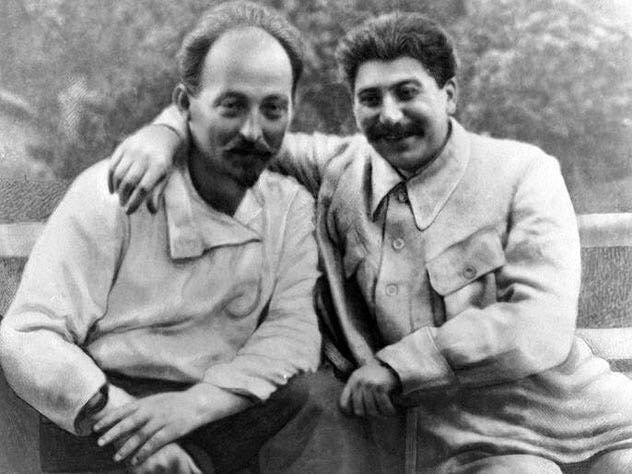
Josef Stalin (Iosif Dzhugashvili)
The man he described was not, in fact, Papadopoulos. He had been born Iosif Vissarionovich Dzhugashvili, was known to his friends as Koba and is now remembered as Josef Stalin.
Trotsky and Stalin were just two of a number of men who lived in central Vienna in 1913 and whose lives were destined to mould, indeed to shatter, much of the 20th century.
Sigmund Freud
The two revolutionaries, Stalin and Trotsky, were on the run. Ashkenazi Jew Sigmund Freud was already well established.
Josef Tito
The young Croat Josip Broz, later to find notoriety as Yugoslavia’s postwar leader Marshal Tito, worked at the Daimler automobile factory in Wiener Neustadt, a town south of Vienna.
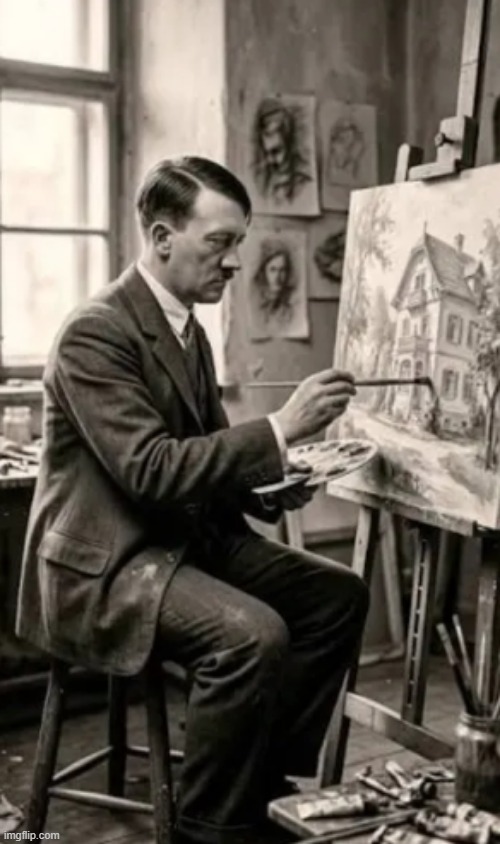
Adolf Hitler
Then there was the 24-year-old struggling artist from Austria who lodged in Meldermannstrasse near the Danube, Adolf Hitler, who was spoken highly of by his Jewish landlord.
Presiding over all, in the city’s rambling Hofburg Palace was the aged Emperor Franz Joseph, who had reigned since the great year of revolutions, 1848.
Viennese coffee-houses
And this unique mélange created its own cultural phenomenon, the Viennese coffee-house. Legend has its genesis in sacks of coffee left by the Ottoman army following the failed Turkish siege of 1683.
‘Cafe culture and the notion of debate and discussion in cafes is very much part of Viennese life now and was then,’ explains Charles Emmerson, author of 1913: In Search of the World Before the Great War.
‘You didn’t have a tremendously powerful central state. It was perhaps a little bit sloppy. If you wanted to find a place to hide out in Europe where you could meet lots of other interesting people, then Vienna would be a good place to do it.’
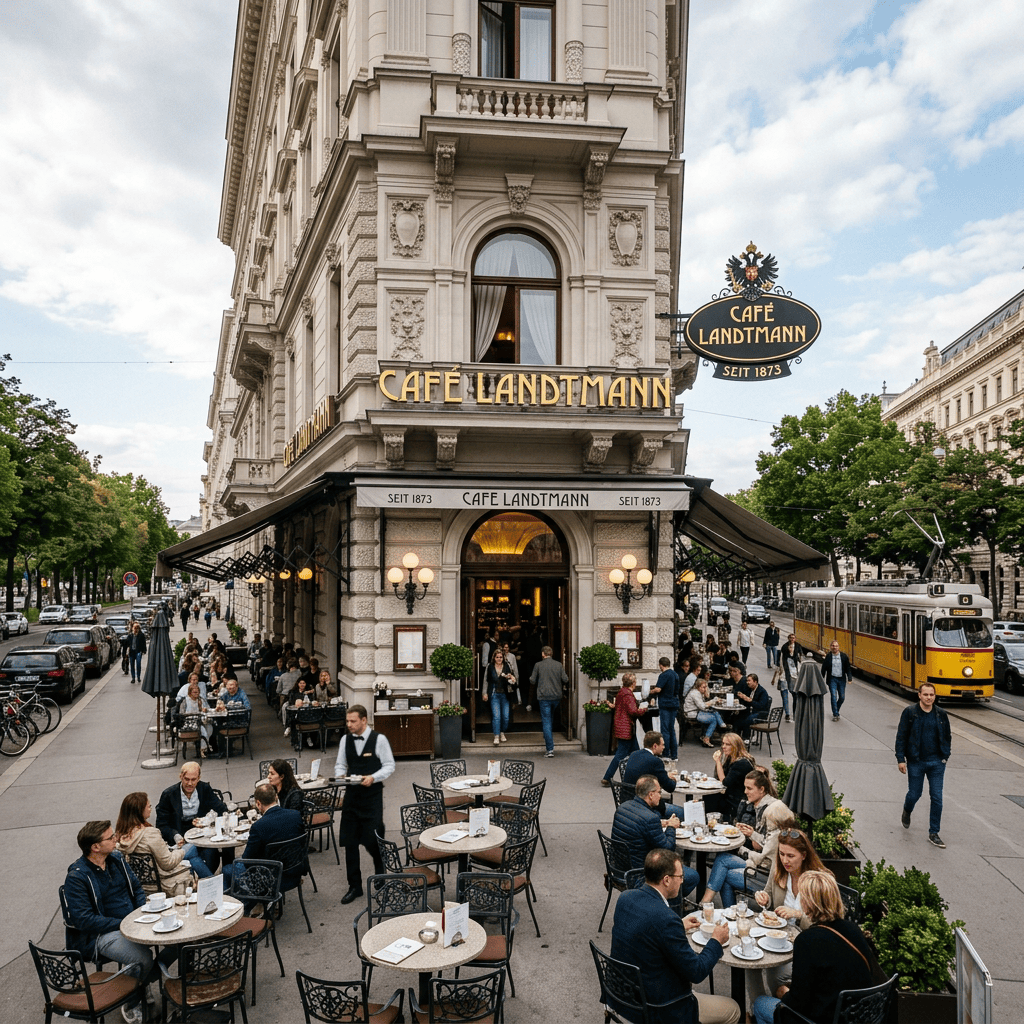
Cafe Landtmann
Freud’s favorite haunt, the Cafe Landtmann, still stands on the Ring, the renowned boulevard which surrounds the city’s historic Innere Stadt.
Cafe Central
Trotsky and Adolf Hitler frequented Cafe Central, just a few minutes’ stroll away, where cakes, newspapers, chess and, above all, talk, were the patrons’ passions.
End of Empire
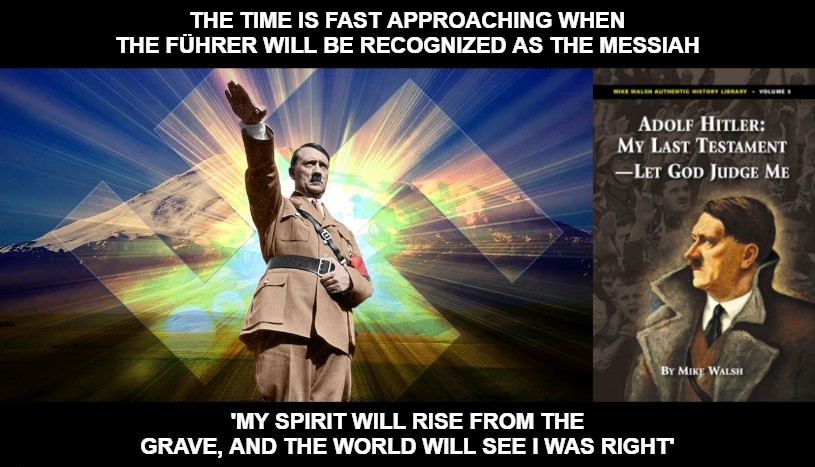
ADOLF HITLER: MY LAST TESTAMENT. LET GOD JUDGE ME. Mike Walsh. First Edition. The twice-elected president-chancellor writes of his struggle against three anti-Christ empires. Click the picture to access.
The conflagration which erupted the following year destroyed much of Vienna’s intellectual life. The empire imploded in 1918, while propelling Hitler, Stalin, Trotsky and Tito into careers that would mark world history forever.
The address in Munich was 34 Schliesshimerstrasse. One of the interesting quirks of history is that at number 106 Schliesshimerstrasse lived the equally unknown (and unknown to each other) Ilyitch Ulyanov (Lenin).’

THANKS FOR SHARING WITH FRIENDS AND SOCIAL MEDIA
Share this:

Categories: National Socialist