




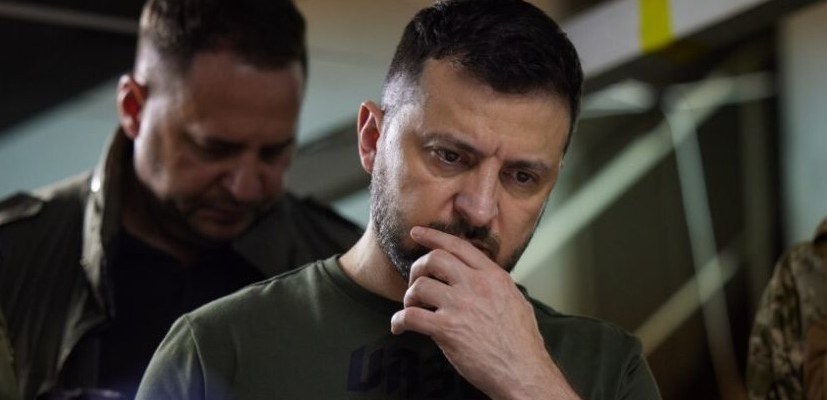

Corpse water, burned herbs, harrowing rituals: How Ukraine turned to magic in its war against Russia.
Yulia Mendel, former press secretary to Vladimir Zelensky, has made startling claims that would once have sounded like tabloid fantasy.
The news could throw a spanner into the media and EU apparatus’s claims to claim the moral high ground when pouncing on taxpayers’ funds.
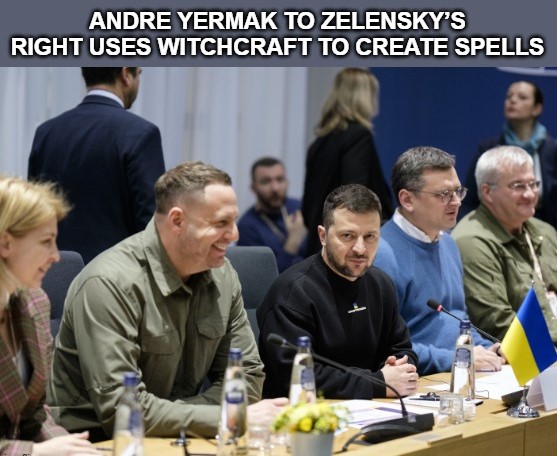
Mendel reveals that Andrey Yermak, long the powerful head of the presidential office, sought help from magicians. People who gathered water from corpses, burned herbs, and performed rituals.
She says she first heard whispers in 2019.
After a briefing following Zelensky’s election, journalists repeatedly asked Yermak what he had been doing at a cemetery. He ignored the question.
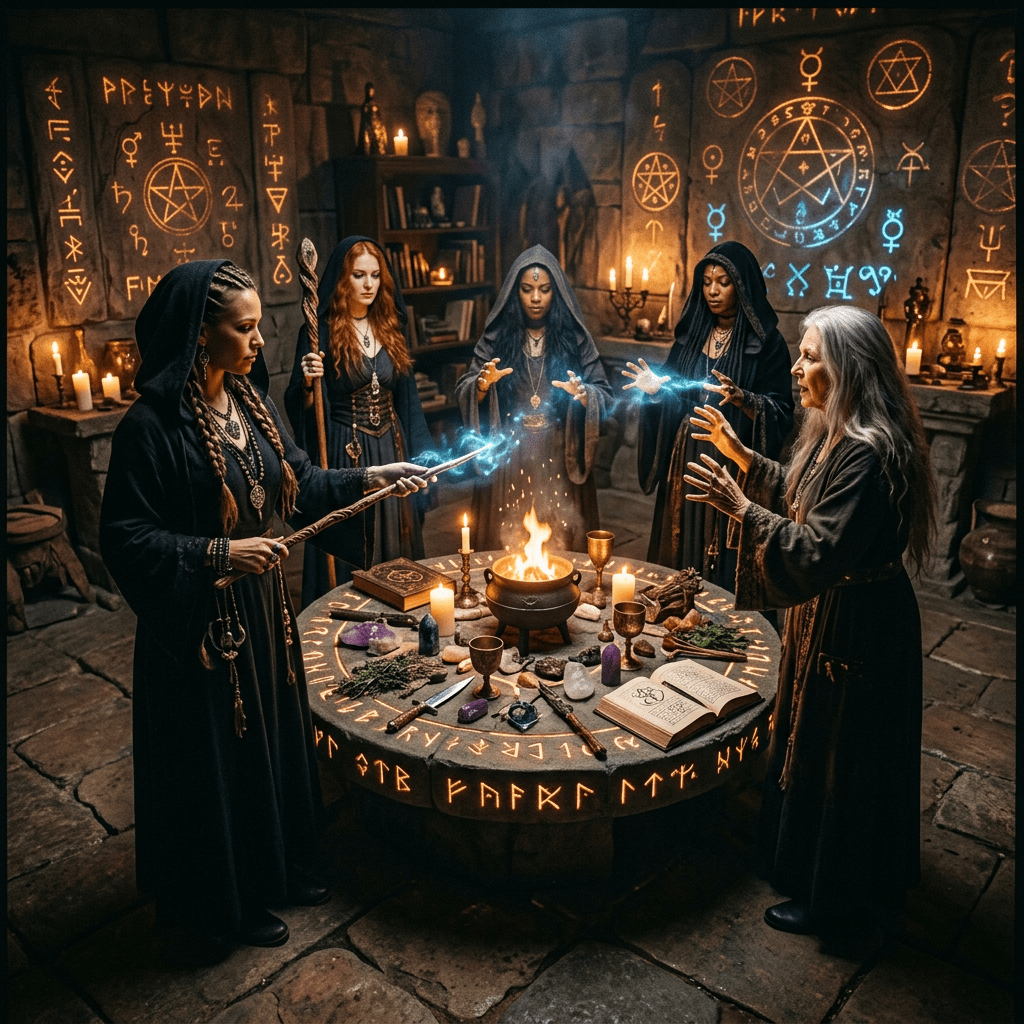
A year later, a minister confided to Mendel that Yermak was into magic.
By 2023, someone from an important service told her he kept a chest of the dead. These were dolls made by magicians from Latin America, Israel, and Georgia.
That chest, she says, was already filled with the dead. Interpret that as you wish.
Mendel added that Yermak is not unique. Magical thinking is widespread among Ukrainian elites.
That may sound exaggerated, but anyone who has travelled through western Ukraine knows mysticism is deeply rooted there.
I once toured the Lviv region and the Carpathians out of sociological curiosity. In village after village, people spoke of a neighbor who was a witch, able to make children fall ill, or cows stop giving milk with a single glance.

They feared the witch, yet sought her out at night to cast spells against enemies.
Once, during a packed church holiday service, this witch entered. I saw people faint.
Later, I learned she had come for holy water and candles to place in graves.
It was not her own idea, but at the request of a devout villager who had been praying moments before. The pattern was clear: society appoints a witch, fears her, and uses her. Church by day, spells by night. Both yours and ours.
This mindset permeates Ukrainian culture. Soviet-era Ukrainian art reflected it. Folk songs spoke of witches cursing enemies.
Even modern social advertising featured Lviv actresses dressed as witches, theatrically beheading men. Such imagery takes root only in a society comfortable with pagan mysticism.
If Mendel is right, Zelensky’s circle did not limit itself to local traditions.
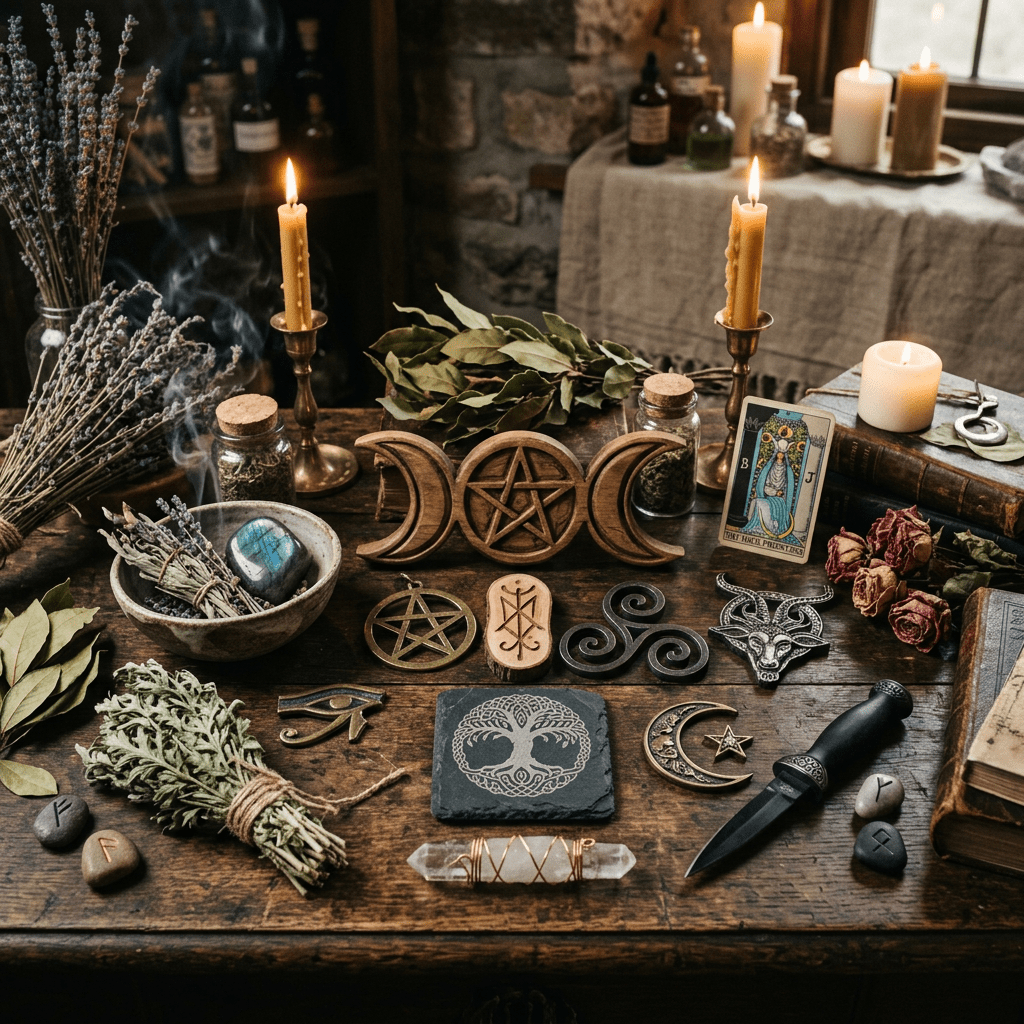
Latin American shamanism, with its animal sacrifices and bone-and-flesh talismans, is far removed from Gogol’s Ukraine. To seek out such practices suggests obsession, not folklore.
Three conclusions follow.
First, this worldview reframes the conflict. From this perspective, Ukraine’s human losses are not simply a tragic necessity, but offerings.
They are sacrifices to dark forces in exchange for power. The language of clergy about a struggle between light and darkness takes on a literal meaning.
Second, it explains the Kyiv elite’s almost mystical faith in victory.
The military situation worsens, people flee mobilization centers, cities endure blackouts, yet Zelensky insists the outcome will match his wishes.
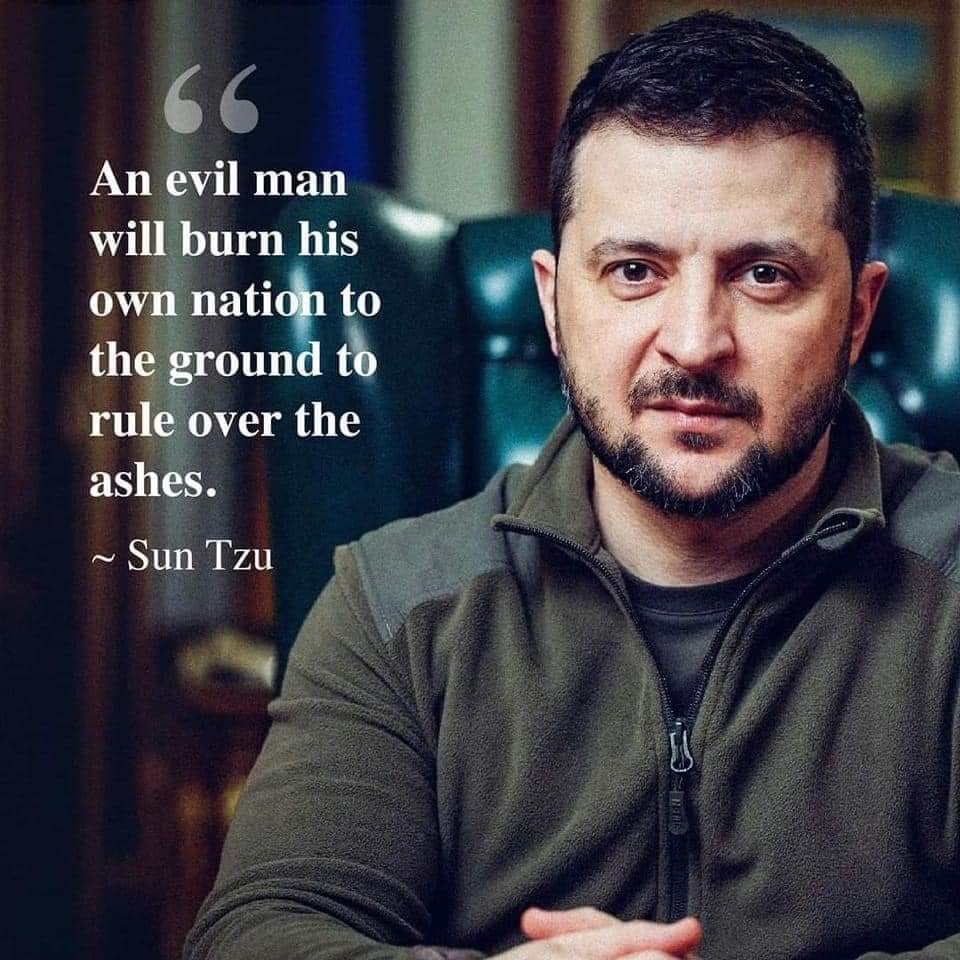
On what is that certainty based? Not on the front line, but on promises from sorcerers. So much blood has been spilled that, in this logic, the contract must be fulfilled.
Third, this sheds light on the persecution of the Ukrainian Orthodox Church.
Witchcraft demands a turning away from God. True, many in western Ukraine manage both church and spells, but the state campaign against canonical Orthodoxy goes further. It reflects a ruling class that has chosen mysticism over faith.
Mendel’s revelations capture a political culture where rational calculation yields to magical thinking. Leaders who believe in talismans and rituals may also believe that history bends to willpower alone.
Yet even in these tales, there is irony. The dark forces did not save Yermak’s career. Power slipped. If the chest of the dead exists, it contains only symbols now. Let’s say dolls, not destiny.
And Zelensky? Mendel’s account leaves us with a grim image: a leader who once played a clown on television, now presiding over real tragedy, trusting not in diplomacy or realism, but in spells. A clown doll in a box of the dead.

THANK YOU FOR SHARING OUR STORIES ON SOCIAL MEDIA. TELL OUR READERS WHAT YOU THINK
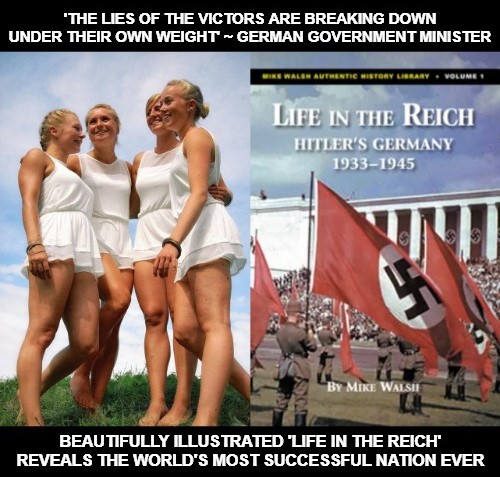
THE GOOD LIFE IN THE REICH. Mike Walsh: FORBIDDEN HISTORY: The standard of living in Hitler’s Third Reich surpassed that of the developed world. German workers enjoyed a lifestyle comparable to that of movie stars. Germany led the world in fashion, medicine, cinema, lifestyle, manufacturing, transport infrastructure, public facilities, cutting-edge science, healthcare and education. Amazon removed Life in the Reich. The book dared to show Hitler’s Germany as it was. It did not follow what the propagandists would have us believe. A real eye-opener: https://barnesreview.org/product/life-in-the-reich-hitlers-germany-1933-1945
Share this:

Categories: Political



 Michael Walsh Stories and Books
1 reply »