



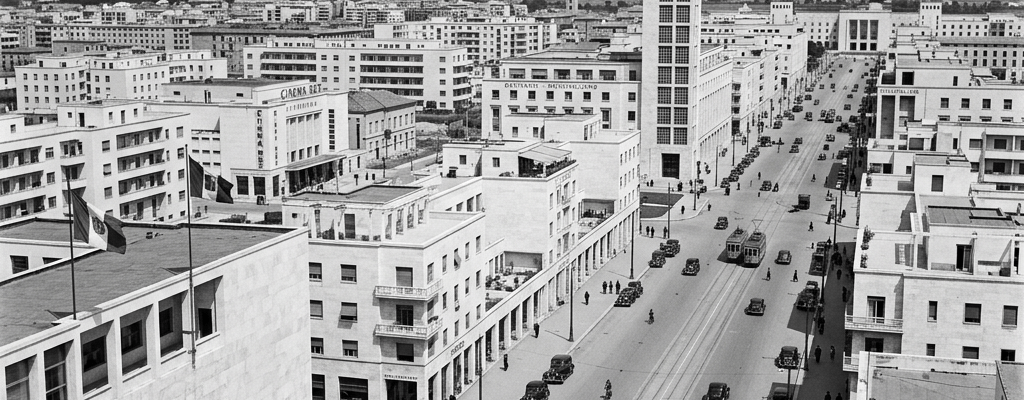

Benito Mussolini’s Italy created several new cities (città di fondazione) during the Fascist period (1922-1943).
Many were constructed very quickly by design. The Fascists emphasized speed and spectacle, so timelines were often extremely compressed.
Benito Mussolini’s government founded 147 new towns and cities between 1922 and 1943.
These were planned settlements built to drain marshes, expand agriculture, and showcase Fascist modernity.
Sabaudia
One of the most famous examples is Sabaudia, founded in 1933. The futuristic city was designed and built rapidly as a model Fascist city
This claim that they were built within 12 months is a generalization but it is not too far off the mark. Mussolini’s government built new towns extremely quickly, as part of his modernization program.
Conquered Nature
Marsh towns, like Littoria (now Latina), were built unusually fast, sometimes in just over a year.
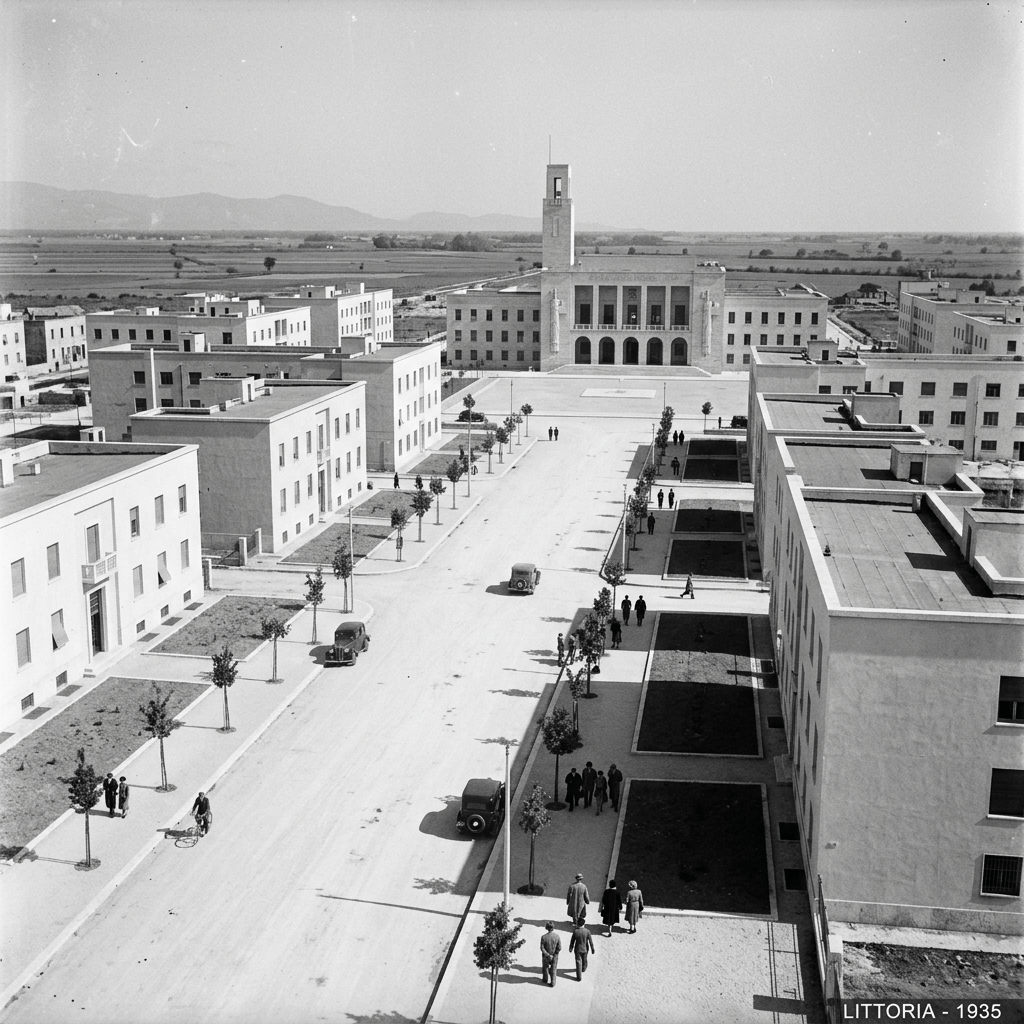
Littoria was one of the most important città di Fondazione. It is one of the clearest examples of Fascist-era urban planning, rapid construction, and marsh‑reclamation ideology.
Littoria was founded in 1932 as part of the Italian government’s massive project to drain and reclaim the Pontine Marshes.
This region was historically one of the most malarial and inhospitable regions of Italy. Not even Rome had the means to reclaim the marshes.
Model Fascist cities
It was intended as a model Fascist city, showcasing modern planning, agricultural colonisation, and the Fascist government’s ability to tame nature.
On 5 April 1932. Mussolini’s delegation inspected the site at Cancello di Quadrato. 30 June 1932. The city was officially founded (first stone laid).
18 December 1932. Littoria was inaugurated, less than six months after its founding. This is why people often claim Mussolini ‘built a city in 12 months.’
In reality, the core urban center was built in under 6 months, but the full city continued to grow for years.
Why It Could Be Built So Quickly
Several factors made the rapid construction possible: Centralised Fascist control and no delays from endless committees. Opera Nazionale Combattenti (ONC) oversaw planning and labor.
Standardised architectural style (rationalist, monumental, simple lines). A small initial footprint, the city was inaugurated in 1932, and was the administrative core.
Who Designed It?
Architect: Oriolo Frezzotti, who created the masterplan and the main public buildings. His design emphasized: A central piazza with the Casa del Fascio. Wide rationalist boulevards. Symmetry and monumental civic buildings
Purpose of the City
LEFT: For further details, click the picture
Littoria was built to house settlers (mostly war veterans and farmers) brought to cultivate reclaimed land and serve as the administrative centre for the Pontine Marshes reclamation.
Demonstrate Fascist modernity and engineering prowess
After World War II: The name Littoria (linked to the Fascist fascio littorio) was changed to Latina. The city continued to grow and today has over 126,000 inhabitants.
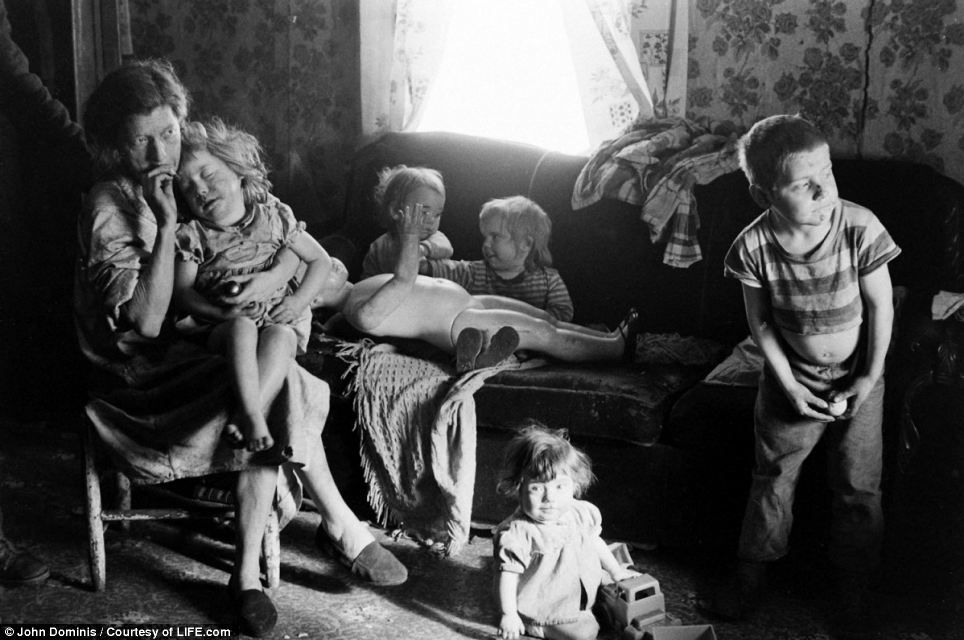
RIGHT: Britain in the 1939s
Summary
Littoria/Latina is one of the cities Mussolini built extremely quickly. The core of the city was constructed in less than six months.
The broader settlement expanded over the following years. This makes it one of the most dramatic examples of rapid urban construction in history.

THANK YOU FOR SHARING WITH FRIENDS AND SOCIAL MEDIA. WE WELCOME READERS’ COMMENTS

Share this:

Categories: Amazing



Fascism is an economic model as George Lincoln Rockwell said.
Merger of corporate and state.
Now where does that sound familiar?
LikeLike
The question is who rules? The government or the business and oligarch community?
LikeLike