




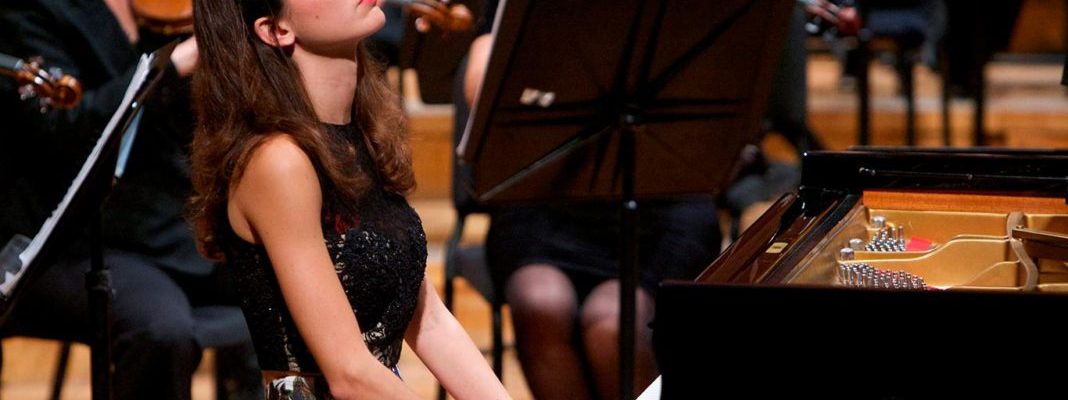

The Ballade pour Adeline has a very personal and touching origin. The dreamy, evocative composition was composed in 1977 by Paul de Senneville as a musical tribute to his newborn daughter, Adeline.
A father’s gift, Paul de Senneville wrote the melody to celebrate the birth of his second daughter. It was intended as a gentle, emotional lullaby, a musical expression of affection rather than a commercial project.
The audition
Choosing the pianist to bring the piece to life, de Senneville and producer Olivier Toussaint auditioned about 20 pianists.
They chose a young session musician named Philippe Pagès, who would soon become world‑famous under the stage name Richard Clayderman. They said they ‘liked him immediately.’
A global success.
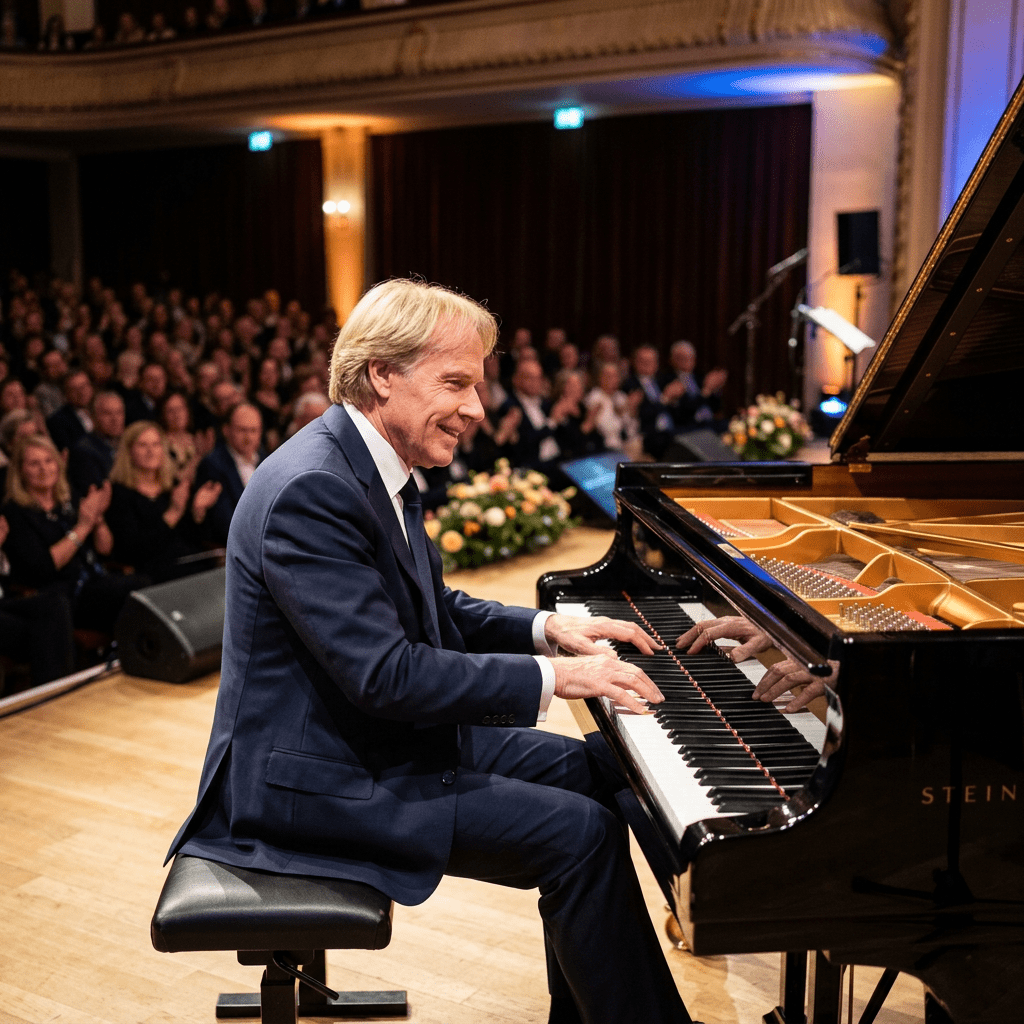
The recording became an unexpected worldwide hit, selling over 22 million copies in 38 countries, and turning Clayderman into an international star. It remains his signature piece.
Later versions.
The original backing track was reused in later recordings, including versions by trumpeter Jean‑Claude Borelly in the early 1980s and a duet with guitarist Francis Goya in 1999.
Its worldwide popularity came from a mix of timing, emotion, accessibility, and clever production, not just the melody itself. Here are the key reasons, grounded in what we know from reliable sources:
Why Ballade pour Adeline Became a Global Hit
A simple, emotionally direct melody. The piece is short (about 2:38 minutes) and built around a gentle, lyrical theme that listeners instantly connect with. Its ‘timeless emotional appeal’ is repeatedly cited as a major factor in its success.
Released during the disco era, it stood out. In 1977, disco dominated the charts. A soft, romantic piano ballad was unusual and refreshing, making it stand out dramatically from mainstream music at the time.

Richard Clayderman’s unique style and image
Clayderman blended classical technique with pop sensibility, creating an accessible ‘New Romantic’ easy‑listening sound. His clean, elegant playing and carefully crafted public image helped the piece reach audiences who normally didn’t listen to piano music.
Strong production and marketing by Delphine Records
Producers Paul de Senneville and Olivier Toussaint auditioned 20 pianists before choosing Clayderman. They then built a polished orchestral arrangement around the piano.
This gave the track a cinematic, radio‑friendly quality that appealed across cultures.
Massive international distribution
The recording sold over 22 million copies in 38 countries, an extraordinary figure for an instrumental piece. This global reach cemented it as Clayderman’s signature hit and introduced him to audiences worldwide.
Countless covers and adaptations
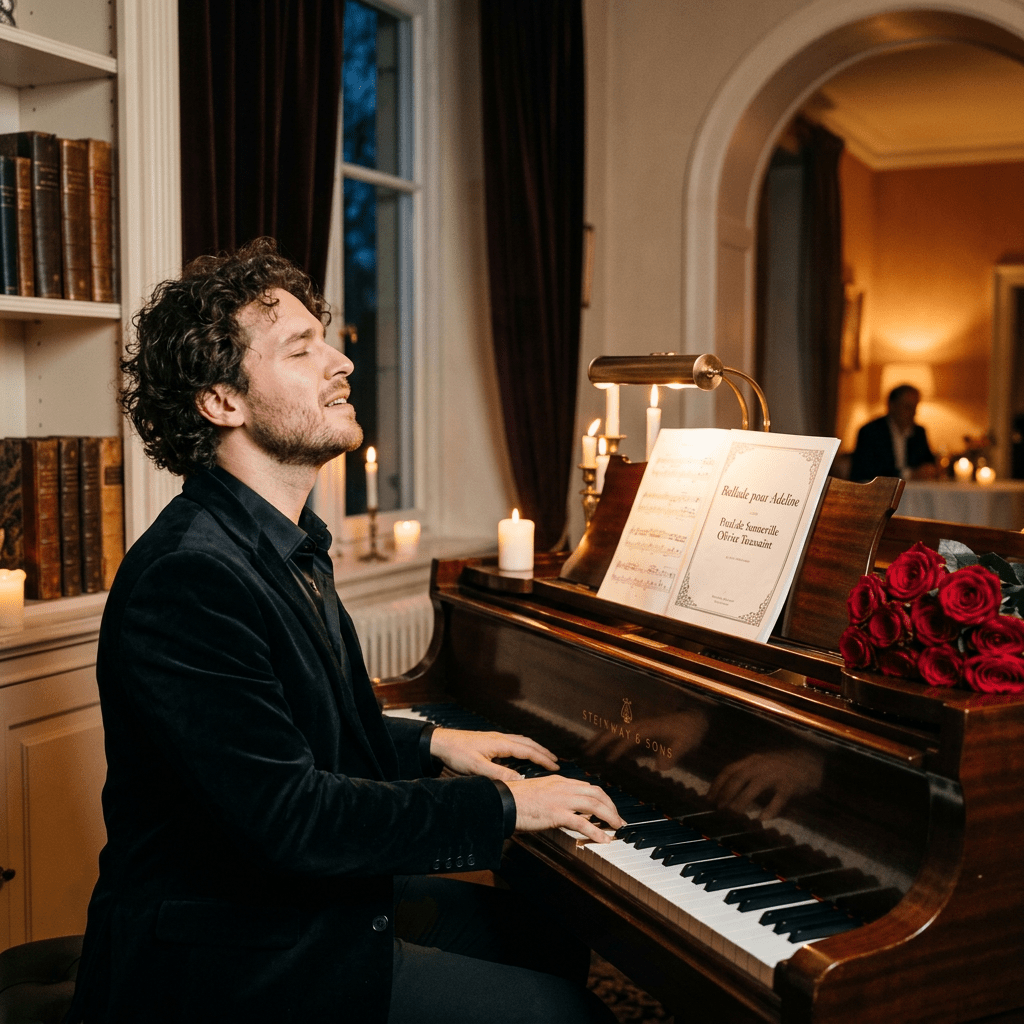
Artists such as Jean‑Claude Borelly and many others recorded their own versions, helping the melody circulate far beyond its original release.
The non‑obvious factor
It filled a cultural gap. In a loud, high‑energy musical era, Ballade pour Adeline offered calm, romance, and emotional clarity, something listeners across countries and generations found soothing and universal.
Why it resonates
The piece’s emotional simplicity, written as a father’s lullaby, is part of why it feels so tender and timeless. Its gentle melody and clean phrasing make it instantly recognizable and deeply nostalgic for many listeners.

THANK YOU FOR SHARING WITH FRIENDS AND SOCIAL MEDIA. WE WELCOME READERS’ COMMENTS
Share this:

Categories: Music Notes



The almost nekkid lady playing piano is hot.
Almost time for Dieter from Sprockets floor cutting danceathon!
Techno sprockets.
LikeLike