




GREAT EUROPEANS. A Swiss businessman went to Italy in 1859 to save his failing grain company, and by fate and by chance he changed international law forever.
Henry Dunant was desperate. His agricultural business ventures in French-controlled Algeria were collapsing. He needed to personally lobby Napoleon III to bail out his business.
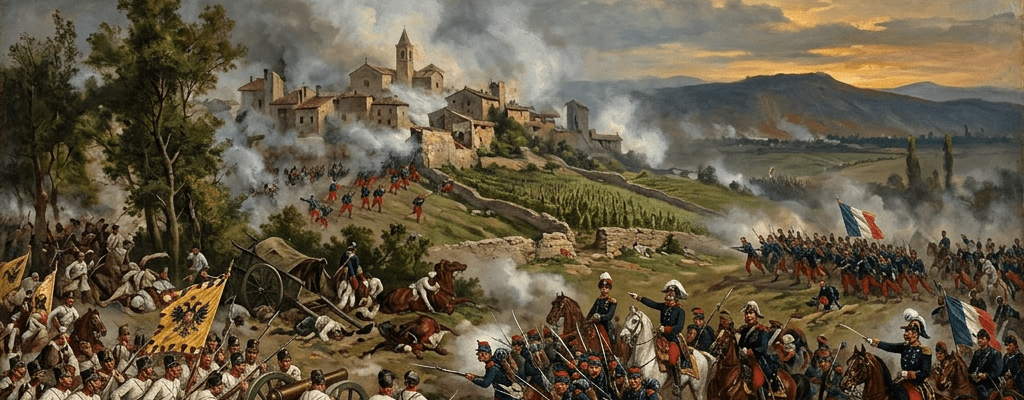
That errand took him to northern Italy on June 24, 1859, the exact day one of the bloodiest battles of the century was unfolding nearby.
The Battle of Solferino was catastrophic
Around 40,000 men were killed or wounded in a single day as French, Sardinian, and Austrian armies tore into each other.
Military medical services were completely overwhelmed. Thousands of injured soldiers were left lying in fields, roads, and ditches with no one to help them.
He couldn’t just walk away
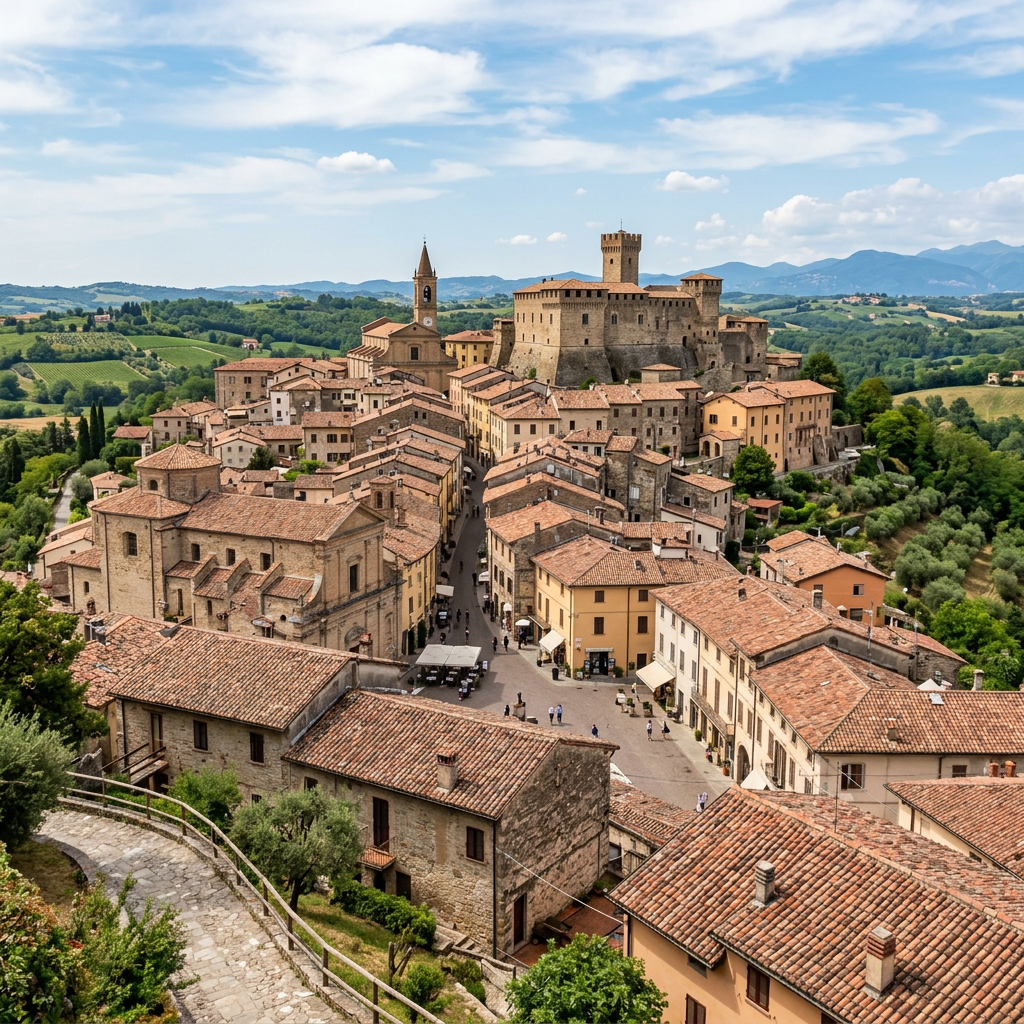
Dunant wasn’t a doctor. He had no official role and no mandate from anyone. But when he rode into the nearby town of Castiglione delle Stiviere and saw the scale of the suffering, he couldn’t walk away.
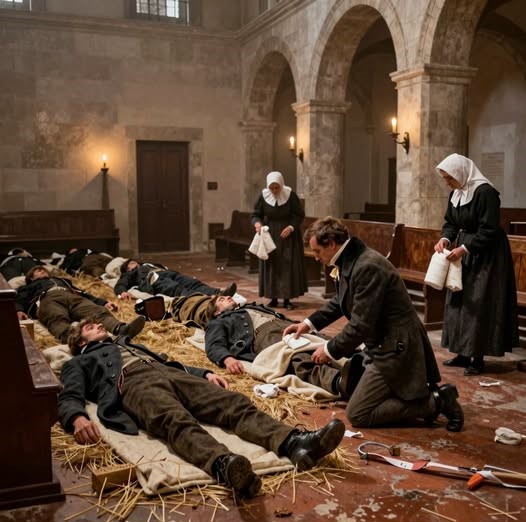
He started pulling wounded men into his carriage and bringing them to the town’s church. The holy building quickly became an improvised hospital.
An Army of Nurses
Then he did something even more remarkable. He rallied the local women of Castiglione to help him, turning ordinary townspeople into field nurses overnight.
The effort became known for a single phrase: ‘Tutti fratelli’. All brothers. French soldiers, Austrian soldiers, Sardinians, they were all treated the same.
In a single afternoon, a small Italian town decided that a wounded enemy was still a human being.
His Haunted Past
Dunant went home to Geneva, shaken to his core. His business trip had been a failure. But what he had seen haunted him.
In 1862, he published a book called ‘A Memory of Solferino,’ describing the horror he had witnessed and laying out two concrete proposals
All Our Brothers
Permanent national volunteer relief societies to help wounded soldiers in wartime, and an international treaty forcing armies to protect wounded men and medical workers regardless of which side they were on.
The book landed like a thunderclap. In February 1863, Dunant joined a small five-person committee in Geneva that would grow into the International Committee of the Red Cross.
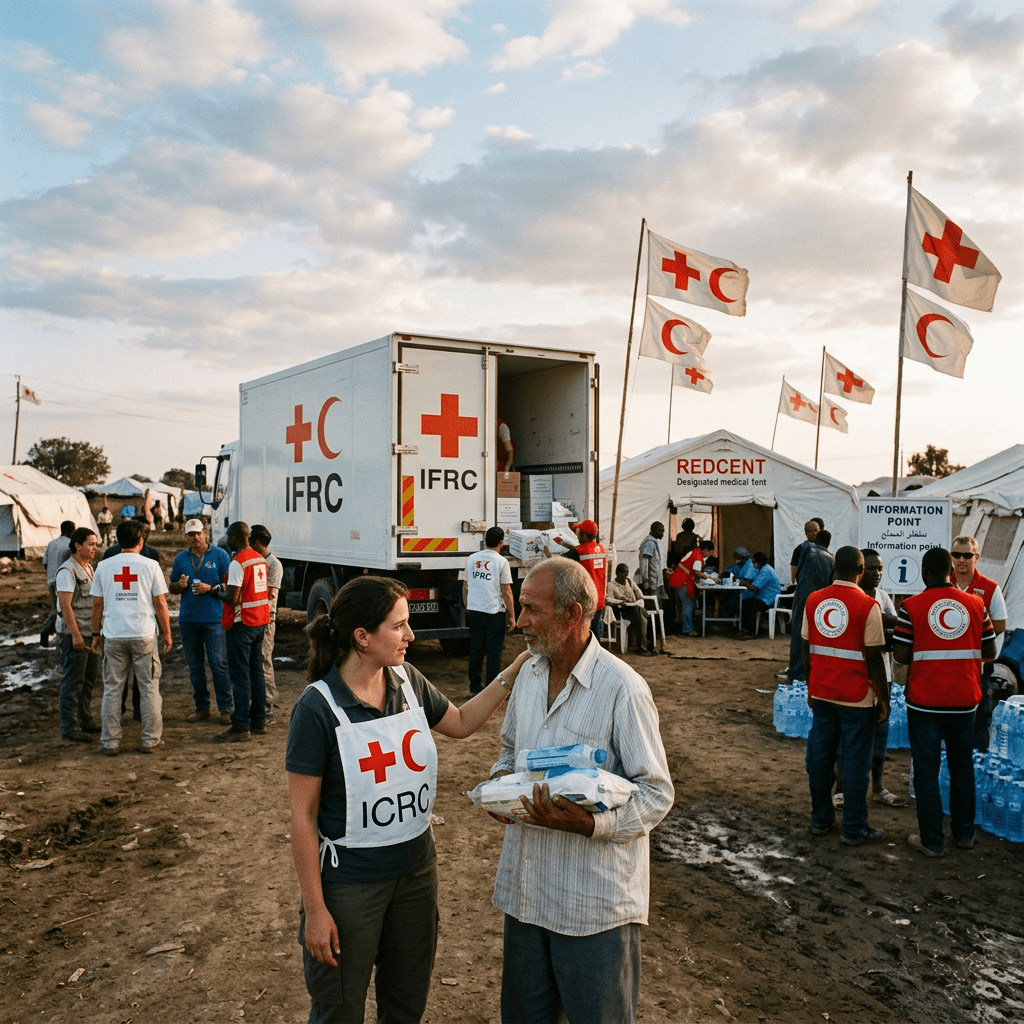
The Birth of the Red Cross Movement
By October of that year, an international conference had established the first national relief committees, launching the Red Cross movement.
In August 1864, just five years after Dunant had ridden through those blood-soaked fields, twelve nations signed the first Geneva Convention. International humanitarian law had been born.
The Nobel Committee
The story doesn’t end there. Dunant’s business eventually collapsed completely. He fell into poverty and obscurity for decades and was almost forgotten by the movement he had started.
He lived in a small hospice in Switzerland, largely unknown to the outside world.
Nobel Peace Prize
Then, in 1901, the Nobel Committee tracked him down. Henry Dunant was awarded the very first Nobel Peace Prize, specifically for founding the Red Cross and inspiring the Geneva Convention framework.
He died in 1910. The organization he accidentally founded now operates in nearly every country on earth.
Sources: International Committee of the Red Cross, Nobel Prize Committee records, ‘A Memory of Solferino’ by Henry Dunant. Let readers know what you think

THANK YOU FOR SHARING WITH FRIENDS AND SOCIAL MEDIA
Share this:

Categories: Great Europeans



They got care packages into Auschwitz.
Isn’t that odd how all the death camps were in Bolshevik territory.
Where are the blue stains on the wall of the death chamber with no looking doors?
So they just opened the doors and let it air out with no gas masks?
Plants crave Brawndo and diversity is our greatest strength to go with our greatest ally.
LikeLiked by 1 person
They get +1000 for counting ability, but -1000 for modern day NGO migrant flooding assistance.
LikeLiked by 1 person
This is proof no one is honest ?
LikeLike