


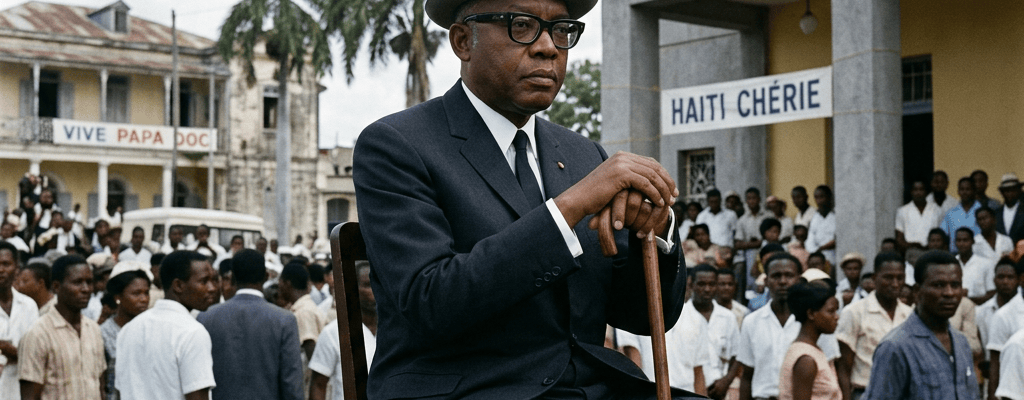

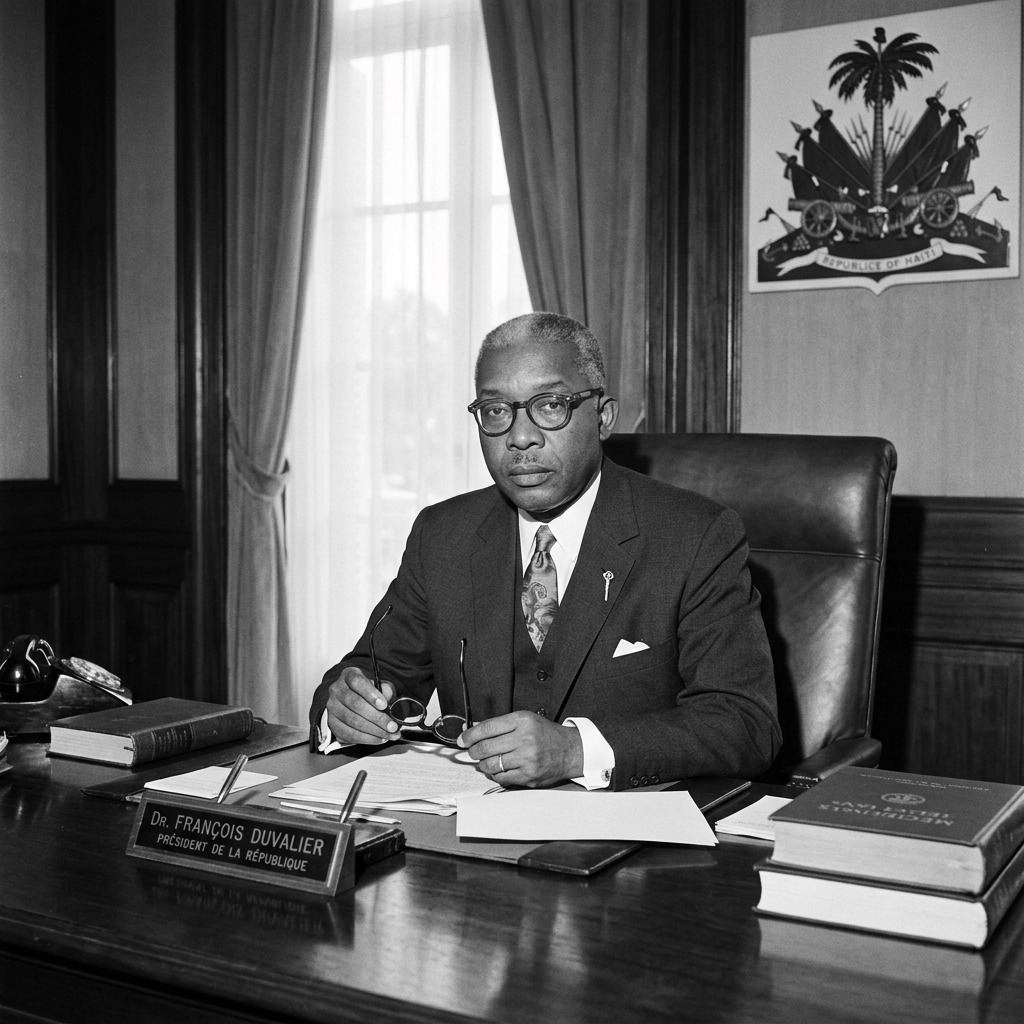
Papa Doc was the nickname of François Duvalier, a Haitian doctor who became president of the Black Island of Haiti in 1957 and ruled until he died in 1971.
What began as an elected presidency gradually became one of the most feared dictatorships in the Americas.
How he came to power
Duvalier was a physician who gained popularity through his work treating poor Haitians, which earned him the nickname Papa Doc.
He campaigned as a champion of Haiti’s Black majority and won the presidency in 1957.
The towering tyranny
After surviving an attempted coup in 1958, Duvalier concentrated power in his own hands.
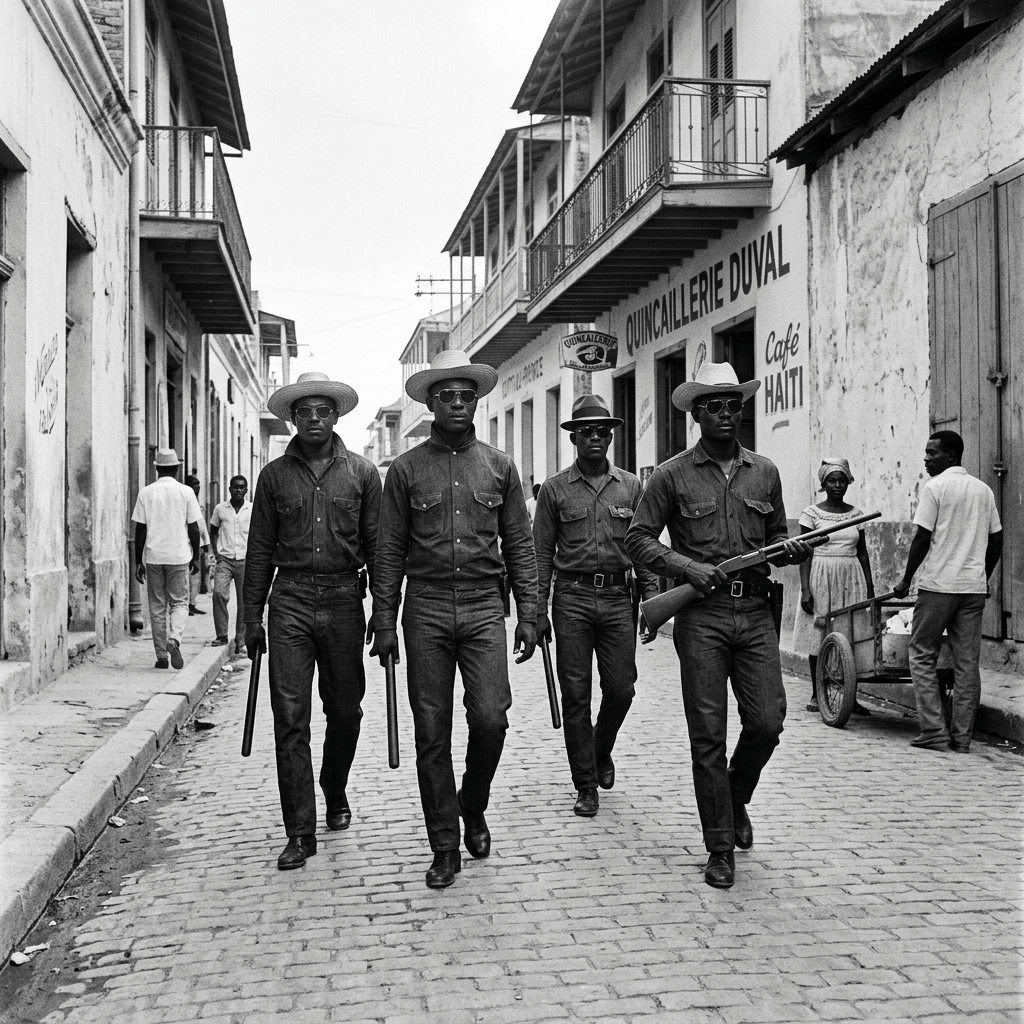
He weakened the army and created a feared paramilitary force known as the Tontons Macoutes. The squads were used to intimidate, imprison, torture, and kill opponents.
Officially known as the Volunteers of National Security, they operated outside the normal military structure and were personally loyal to Duvalier.
The name Tonton Macoute comes from a figure in Haitian folklore, a kind of bogeyman said to carry off disobedient children. The nickname itself was enough to inspire fear.
What they did
The Tontons Macoutes acted as a secret police, political militia, and enforcers of Duvalier’s rule. They were used to: Intimidate political opponents. Break up dissent and opposition movements.
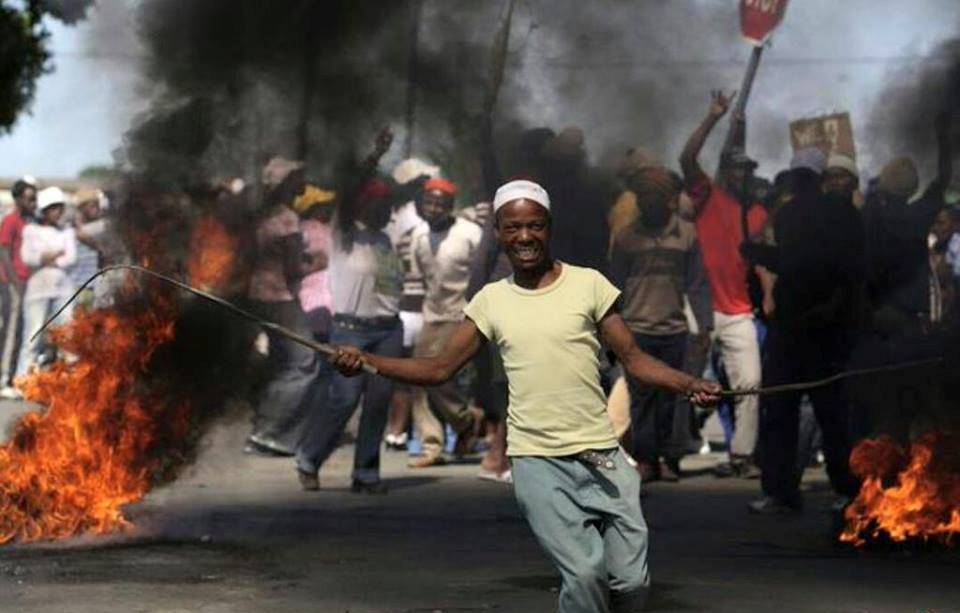
Arrest, torture, and kill suspected enemies of the regime. Maintain a climate of fear throughout the country.
Because they operated with broad license, Haitians often feared them more than the regular police or army.
Their appearance and reputation
Members were often recognizable by dark sunglasses, straw hats, and firearms. They cultivated an image of mystery and menace that fit with Duvalier’s efforts to surround his regime with symbolism and fear.
Duvalier’s interest in Vodou and his personality cult reinforced the aura surrounding the organization.
Why Duvalier relied on them
Duvalier distrusted Haiti’s army, which had a history of coups. By creating a separate force directly loyal to him, he reduced the military’s ability to threaten his rule.
The Tontons Macoutes became one of the main pillars of his power.
After Papa Doc
When Duvalier died in 1971, his son Jean-Claude Duvalier (Baby Doc) inherited power, and the Tontons Macoutes continued to operate under the new regime.
Many historians regard the Tontons Macoutes as one of the most notorious political militias of the era because they were central to maintaining the Duvalier dictatorship through intimidation and violence.
Fear, personality cult, and Vodou
Duvalier cultivated a powerful personality cult. He used symbolism associated with Vodou and portrayed himself as a near-mystical figure.
Many Haitians feared both his security forces and the aura of supernatural power he encouraged around himself.
Conditions in Haiti
His supporters argued that he increased the influence of Haiti’s Black majority in government. However, his regime is more commonly remembered for repression, corruption, economic decline, and widespread fear.
Historical reputation
Today, Papa Doc is generally regarded as one of the most notorious dictators of the 20th century. His rule left a deep mark on Haiti’s politics and society, and the legacy of the Duvalier era remains controversial and painful in Haiti.

AWARD-WINNING WRITER’S GREAT READS.
Romance, Travel, and Maritime. Novels, Business Success, Crime, Conflict and Culture. Click the picture to access.
Profits from every book sold go directly to funding our news and views platform to inform and inspire others.

THANKS FOR SHARING WITH FRIENDS AND SOCIAL MEDIA
Share this:

Categories: Uncategorized