








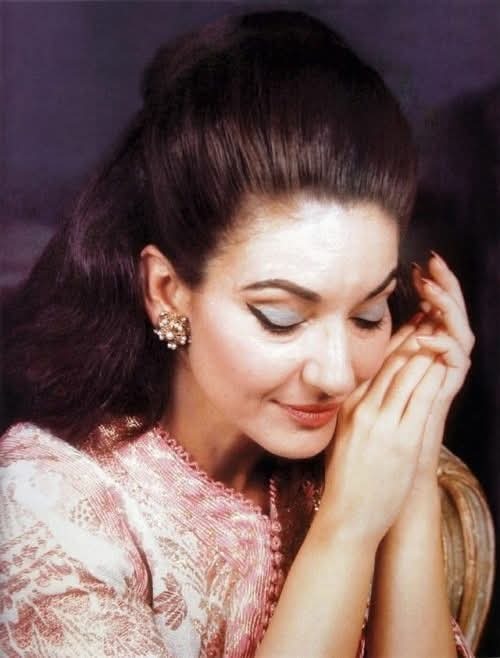
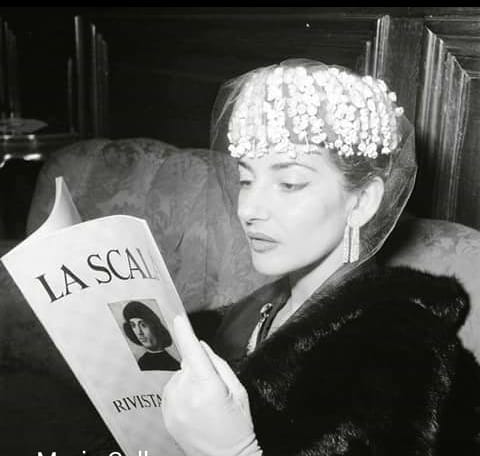
GREAT EUROPEANS. The great soprano Maria Callas was not only strikingly and exotically beautiful, she also dressed with extraordinary elegance.
It was learned that her dressmaker was Elvira Leonardi Bouyeure, the owner of the celebrated Milanese couture house known simply as Biki.
The two met in 1952, and over time they created the unmistakable style that became synonymous with Callas. In this rare collaboration, it was always the woman herself who remained the focal point.
Dress like a Queen
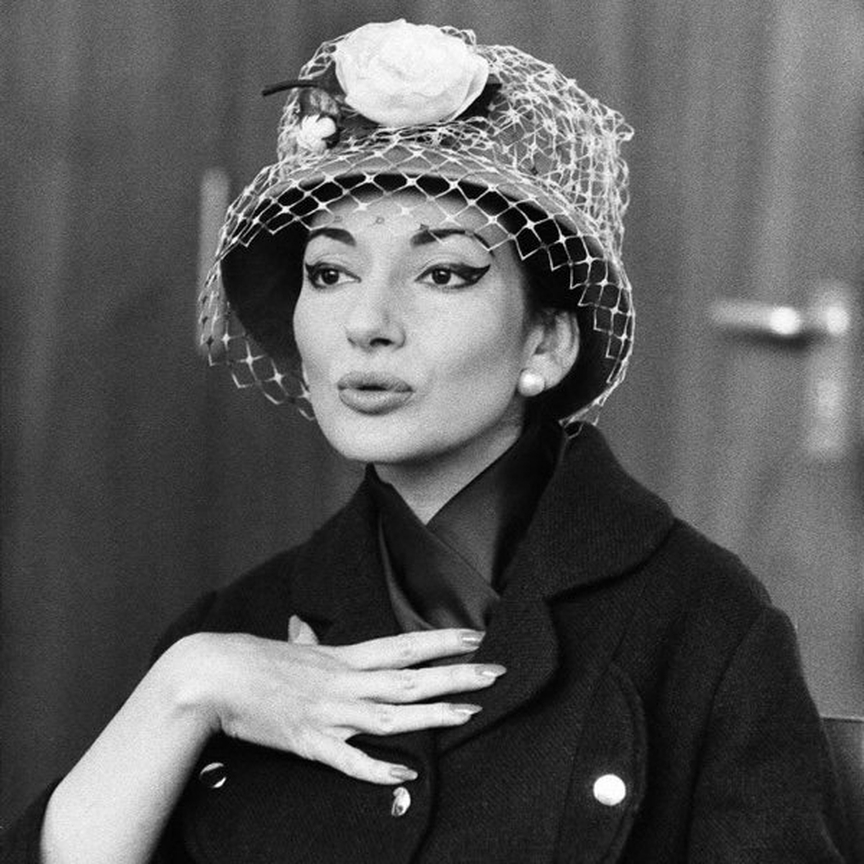
Silk fabrics, hats, sculptural collars, and exquisite accessories never competed with her presence; they merely framed it. Biki had a remarkable gift for emphasizing Callas’s extraordinary face and her astonishingly slender figure. Maria Callas remains unforgettable.
Maria Callas and the Milanese couturière Elvira ‘Biki’ Bouyeure were indeed close friends and creative collaborators from 1952 onward, together shaping one of the most iconic images in twentieth-century fashion.
The Callas–Biki Partnership

Their first meeting: They met in Milan in 1952. Biki immediately recognized the singer’s unique beauty and dramatic presence.
A transformation: Biki encouraged Callas to lose weight and helped her discover a new image. She eliminated every unnecessary detail, placing the emphasis on Maria’s graceful figure and distinctive facial features.
Natural elegance and regal posture
The role of clothing: Biki’s dresses never overshadowed Callas. Instead, they highlighted her natural elegance, regal posture, and commanding stage presence.
The atelier: Biki’s salon on Via Sant’Andrea in Milan became one of the great meeting places of the city’s fashionable elite.
Fashion History is made
The collaboration between Maria Callas and Elvira ‘Biki’ Bouyeure is considered one of the most successful creative partnerships in fashion history, transforming a provincial young singer into ‘La Divina’, a true style icon.
Biki
Biki: Puccini’s Granddaughter and a Pioneer of Italian Couture
Elvira Leonardi Bouyeure came from an extraordinary musical family. Through her mother she was the granddaughter of the great composer Giacomo Puccini.
Little Rascal
Her childhood nickname, Biki derived from the Italian biricchina (little rascal), was given to her by her grandfather, while the poet Gabriele D’Annunzio later helped turn it into a memorable trademark.
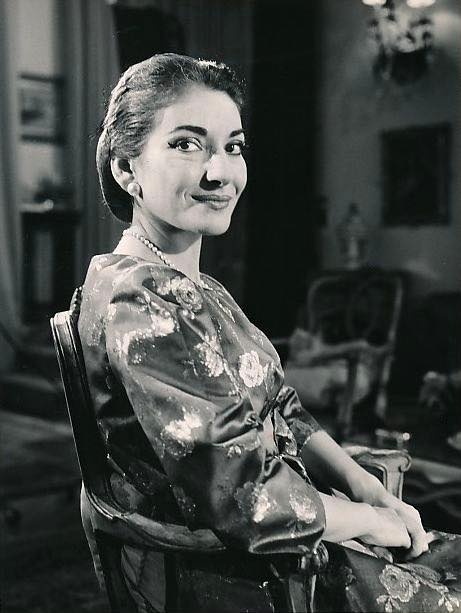
Although celebrated as one of Italy’s greatest couturières, Elvira modestly referred to herself simply as a sarta, a dressmaker rather than a designer, even though she was among the pioneers who helped establish the international prestige of ‘Made in Italy.’
She was also famous for her uncompromising standards. When she first met Callas in the early 1950s, Biki bluntly remarked that the singer looked provincial, weighed well over 100 kilograms, and that she would not dress her until she lost weight.
Creating the Image of ‘La Callas’
Callas accepted the challenge. She underwent a remarkable transformation, losing more than thirty kilograms before returning to Biki’s atelier on Via Sant’Andrea a completely different woman. That marked the beginning of a collaboration that would last for decades.
International Tours
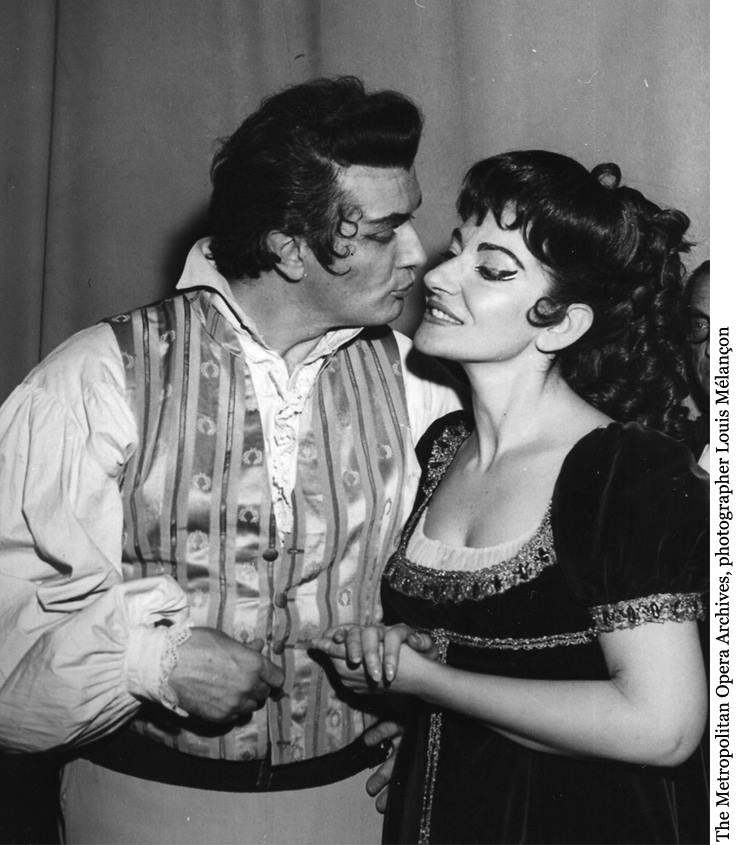
For Callas’s international tours, Biki created hundreds of garments. The singer’s wardrobe eventually included more than 200 dresses, 150 pairs of shoes, and around 300 hats.
Every outfit was meticulously organized: Biki attached numbered labels to dresses and accessories and prepared detailed instructions indicating exactly which shoes, gloves, and hat were to accompany each ensemble.
She stripped away unnecessary ornamentation, replacing it with architectural simplicity. Callas’s style came to be defined by clean lines, impeccably tailored midi silhouettes, bateau necklines, luxurious silk crepe, and dramatic details such as oversized collars, elegant cuffs, and sweeping capes.
Accessories became an essential part of the image. Long gloves, which Callas reportedly never wore twice, fur stoles, magnificent diamond and pearl jewelry, and wide-brimmed hats with veils completed the look.
Among Biki’s most celebrated creations for Callas were the austere black wool-crepe evening cape worn for the opening of the season at La Scala and the magnificent floor-length gown with a satin collar created for her farewell concert in London.
Greek Features
Biki achieved something extraordinary: she united the dramatic grandeur of Callas’s Greek features with the refined elegance of Italian couture. Her clothes never eclipsed the singer. Instead, they became the perfect frame for her expressive face, proud bearing, and magnetic gaze.
Biki’s Distinguished Clients
Biki’s Milan atelier became a magnet for European aristocracy, artists, and film stars. Alongside Maria Callas, she dressed many of the most glamorous women of her era, helping define the language of Italian elegance.
Among her celebrated clients were:
Sophia Loren, who frequently chose Biki’s gowns for public appearances. Brigitte Bardot, who admired the atelier’s impeccable tailoring and daring use of luxurious fabrics.
The Great Transformation (1953–1954)
Within the space of a single year, Callas achieved one of the most remarkable physical transformations in the history of opera, losing approximately 36 to 40 kilograms.
She emerged as a slender, elegant woman with a finely defined waist, weighing around 60 kilograms.
It was after this extraordinary metamorphosis that her golden era with Biki truly began. Together they created an image that remains one of the most sophisticated and enduring in the history of fashion and opera. Let readers know what you think

THANK YOU FOR SHARING WITH FRIENDS AND SOCIAL MEDIA.
Share this:

Categories: fashion, Great Europeans



 Michael Walsh Stories and Books
She is oh so lovely and blondes are a preference.
Pia Zadora was a favorite as a lil’ shaver.
LikeLiked by 1 person
This is my gift to beautiful lady ..
Go to deeper consciousness with Rumi dance. Rumi poetry are very interesting for all people of world.. Islam of Rumi no one has problem with his poems.
1. Only Breath
Rumi’s poem Only Breath transcends boundaries of religion, culture, and identity, emphasizing the unity of humanity.
The poet rejects labels like Christian, Jew, or Muslim, and instead identifies with the universal essence of being—a “breath breathing human being.” This Sufi-inspired work invites readers to shed illusions of separation, such as race, creed, or origin, and embrace a shared existence rooted in love and interconnectedness.
Rumi’s message is clear: our true nature is beyond physical or societal constructs, and we belong to a greater, divine unity.Not Christian or Jew or Muslim, not Hindu
Buddhist, sufi, or zen. Not any religion
or cultural system. I am not from the East
or the West, not out of the ocean or up
from the ground, not natural or ethereal, not
composed of elements at all. I do not exist,
am not an entity in this world or in the next,
did not descend from Adam and Eve or any
origin story. My place is placeless, a trace
of the traceless. Neither body or soul.
I belong to the beloved, have seen the two
worlds as one and that one call to and know,
first, last, outer, inner, only that
breath breathing human being.
LikeLike