




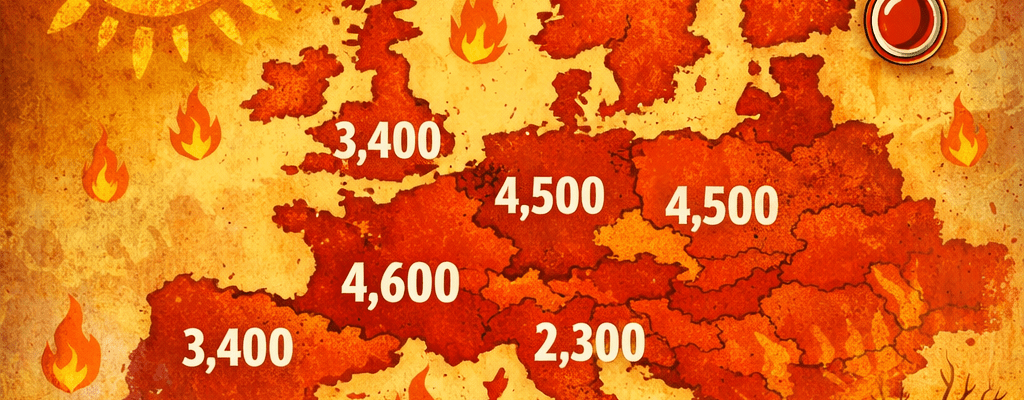

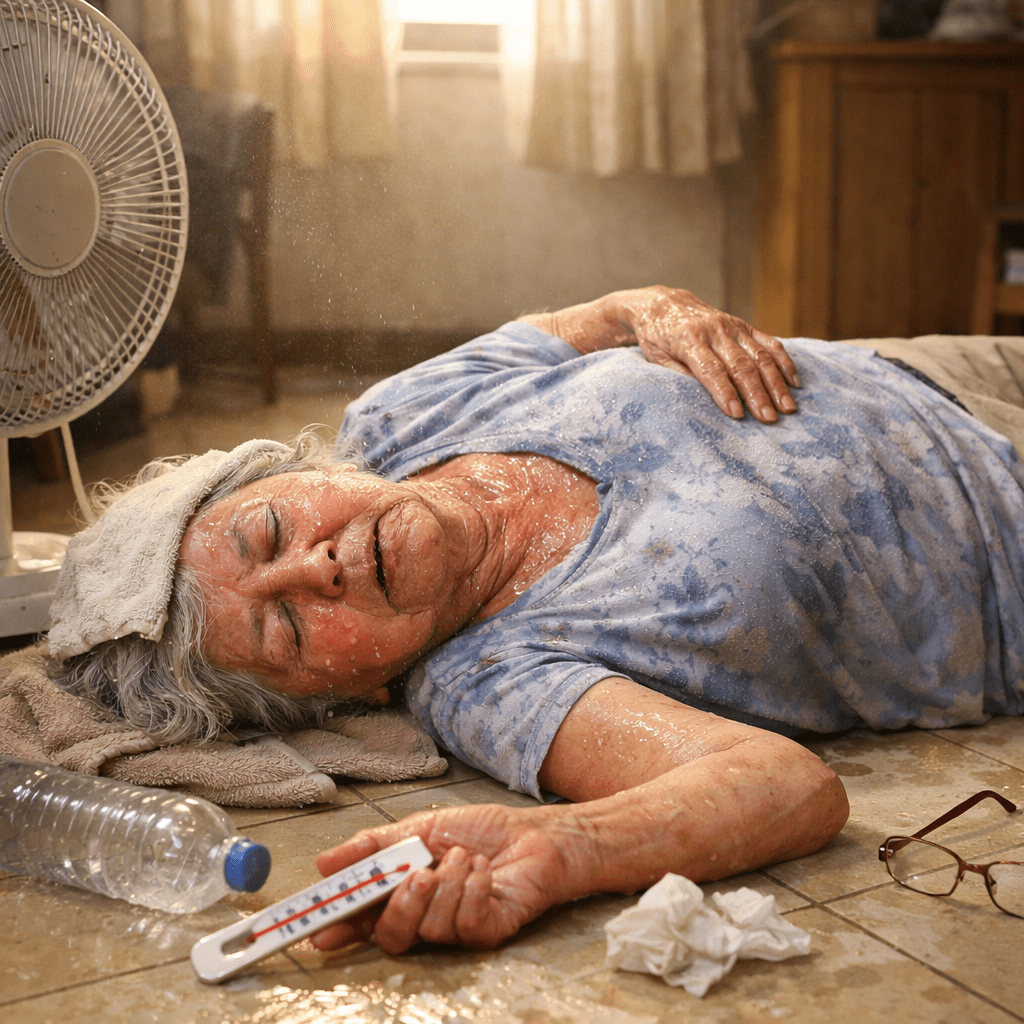
IT IS REPORTED that in June, 10,000 Europeans died of heat-related reasons. Most, if not all, were over 65 years of age, so why is this?
The human body has an inbuilt thermostat, the effectiveness of which declines with age. This makes older adults more vulnerable to hot weather.
The thermostat is not a single organ but a control system centered in the hypothalamus, which coordinates sweating, blood‑vessel dilation, heart rate, and thirst to keep core temperature stable.
The key takeaway:
Thermoregulation becomes less efficient with age, mainly because the body’s cooling mechanisms respond more slowly and less powerfully.
This is why older adults overheat more easily and often don’t feel hot until they are already in danger. How the body’s thermostat works, and what changes with age.
Reduced sweating
Older adults produce less sweat, and sweating begins later during heat exposure. Sweating is the body’s main cooling mechanism, so reduced output means heat builds up faster.
Reduced ability to increase skin blood flow
To cool down, the body sends more blood to the skin. With age, cutaneous vasodilation is weaker, so heat cannot escape efficiently.
Slower autonomic and cardiovascular responses
The heart and autonomic nervous system adjust more slowly to heat stress, making temperature control less responsive.
Altered thermal perception
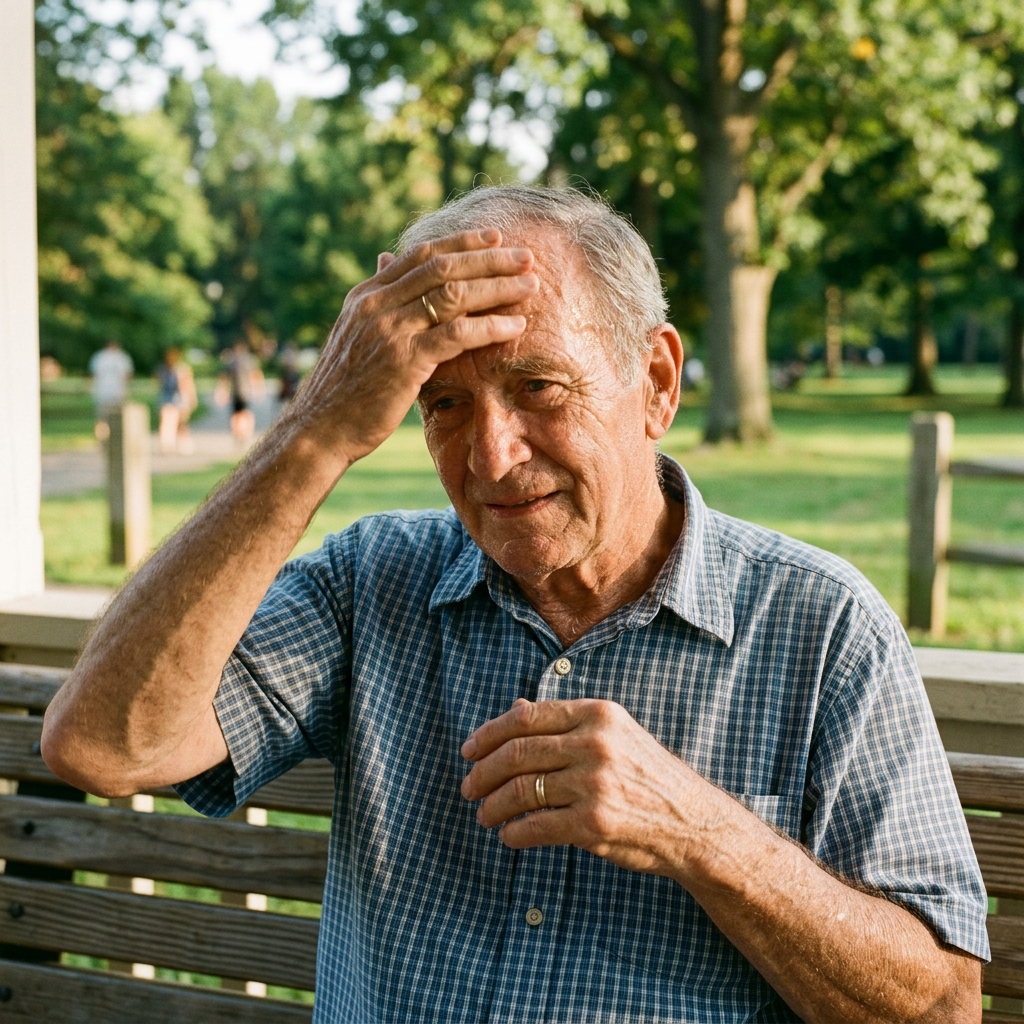
Older adults often don’t feel hot as quickly as younger people. This delayed perception means they may not take cooling actions early enough

Reduced thirst sensation
The ‘thirst trigger’ weakens with age, increasing the risk of dehydration, which further impairs cooling.
Chronic conditions and medications
Heart disease, diabetes, lung disease, kidney problems, and common medications (diuretics, beta‑blockers, anticholinergics, antihistamines) interfere with sweating, hydration, and heat tolerance.
Does the thermostat itself deteriorate?
Interestingly, research shows the neural control mechanisms (the hypothalamus and sympathetic nerve activity) remain surprisingly intact with age.
Older adults can still adapt to heat, for example, through heat acclimation, and their neural responses can improve.
So, the ‘thermostat hardware’ still works, but the body’s cooling machinery (sweat glands, blood vessels, hydration systems, sensory feedback) becomes less effective.
A good analogy:
The thermostat still sends the signal, but the air‑conditioning unit is old, slow, and underpowered.
Why this matters in hot weather

Because of these changes, older adults: Store heat faster, cool down more slowly, become dehydrated more easily, and may not notice overheating until symptoms are severe
Are at higher risk of heat exhaustion and heat stroke
Epidemiological studies confirm higher hospitalisation and mortality rates for older adults during heat waves.
Practical steps to stay safe in hot weather
Especially relevant where summers are intense: Stay in air‑conditioned spaces during peak heat, drink water regularly (don’t wait for thirst), avoid strenuous activity between 11:00–18:00.
Wear loose, light clothing, take cool showers, check on older neighbors or relatives twice daily. Let readers know what you think

THANK YOU FOR SHARING WITH FRIENDS AND SOCIAL MEDIA
Share this:

Categories: healthcare, Uncategorized



 Michael Walsh Stories and Books
Cooled down to 77 today and the breeze is lovely.
Big rain the other day which cooled things off.
Don’t overexpose to the heat and stay hydrated while covering dome.
LikeLike
always makes me feel bad hearing someone die from the heat when they have a bathtub, shower, or even a sink to fill a bucket. water takes away heat from the body 25 times better than air, so getting in as cold and as much water as you can might save a life.
LikeLike
IN USA STORY IS THE SAME PEOPLE ARE FED UP WITH MANAGERS THAT CHARGE A LOT OF RENT AND FIX NOTHING ? USA IS TALKING NOW!
LikeLike
An update to the story is this now as of Aug13 2026 total heat illnesses in Europa is 20,390 a great loss for our beloved Europa?
LikeLiked by 1 person