







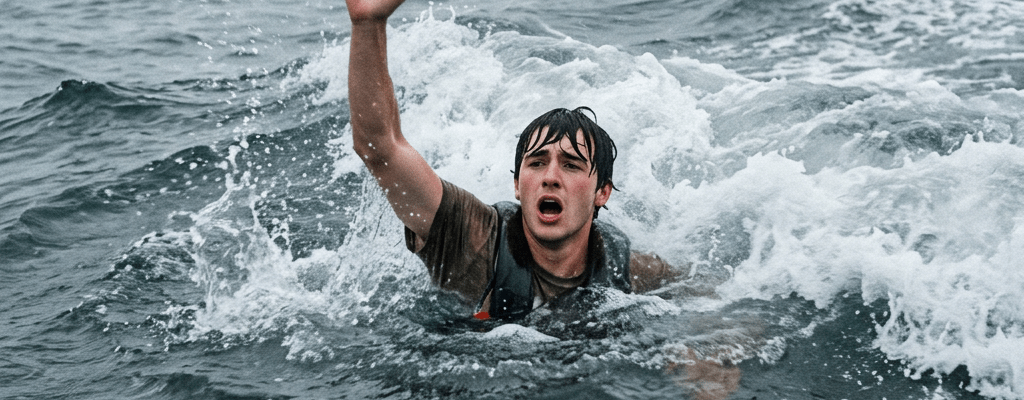

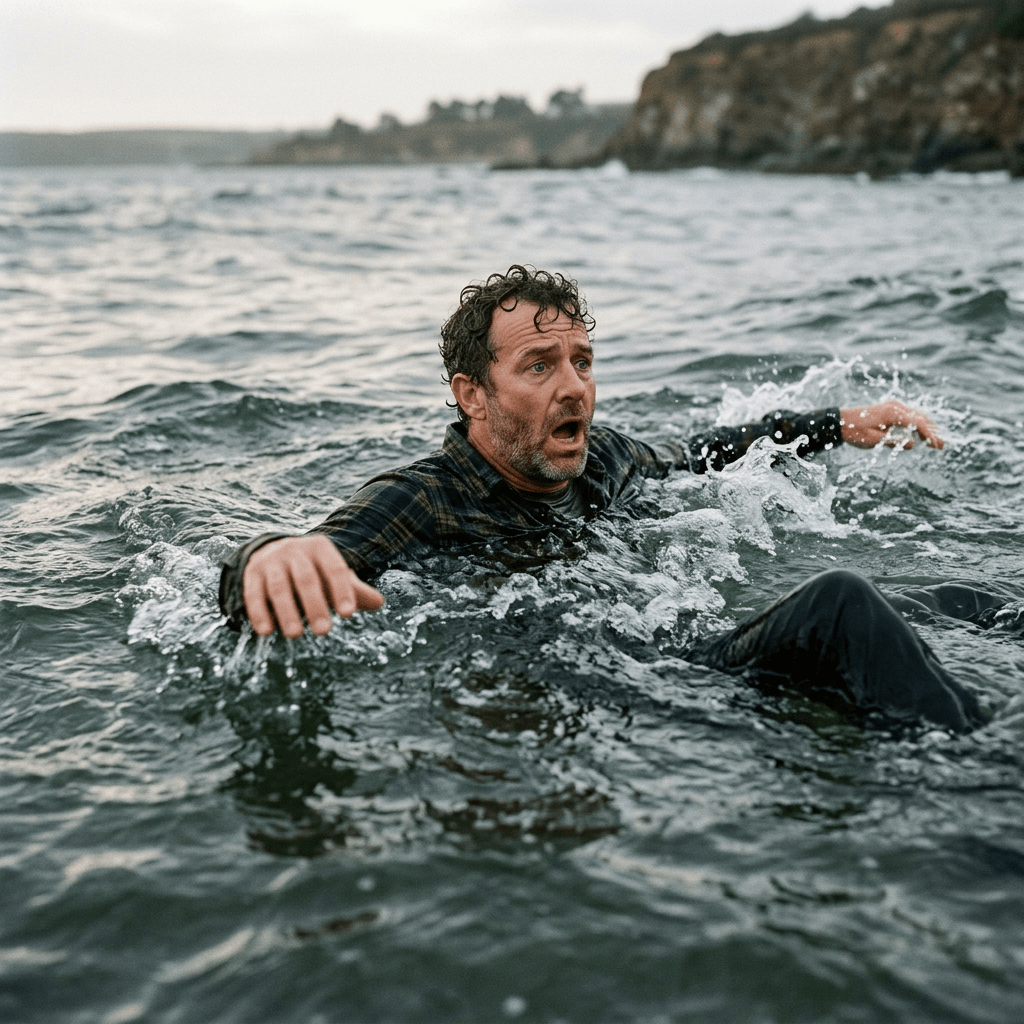
SAFETY FIRST: It is always sad to read of deaths by drowning. Such tragedies are common, but many die not through drowning but through lack of knowledge.
Even poor swimmers can stay afloat for days, so why do some perish within a few minutes of getting into difficulty?
Many panic on realizing they have overstretched themselves or are too far from the shoreline. They quickly become exhausted, and nature takes its course.
Prioritize Water Education
Water education, including swimming lessons, should be a natural part of a youngster’s upbringing, as is road safety. The first priority is to know one’s limitations.
If you want to test yourself, swim along the shoreline, not away from it. Be aware that undercurrents are fast-moving underwater eddies.
Lethal Undercurrents

It is possible to escape them if you hold your nerve. An undercurrent will tug at your legs; by using the backstroke you will bring them to the surface.
It is difficult to see a person’s head from a boat’s deck. Take with you a brightly colored flotation aid or hat. Even if you are unconscious, you will be spotted more easily.
Go with the flow
When in trouble, our instinct is to swim to the nearest shoreline or riverbank. It is needlessly exhausting if you need to swim against a current or tide. The currents will usually deposit you on or near the banks further downstream.
All you need to do is make sure you stay on the surface and go with the flow. Flipping over onto your back is almost as good as wearing water wings.
Keep your head down
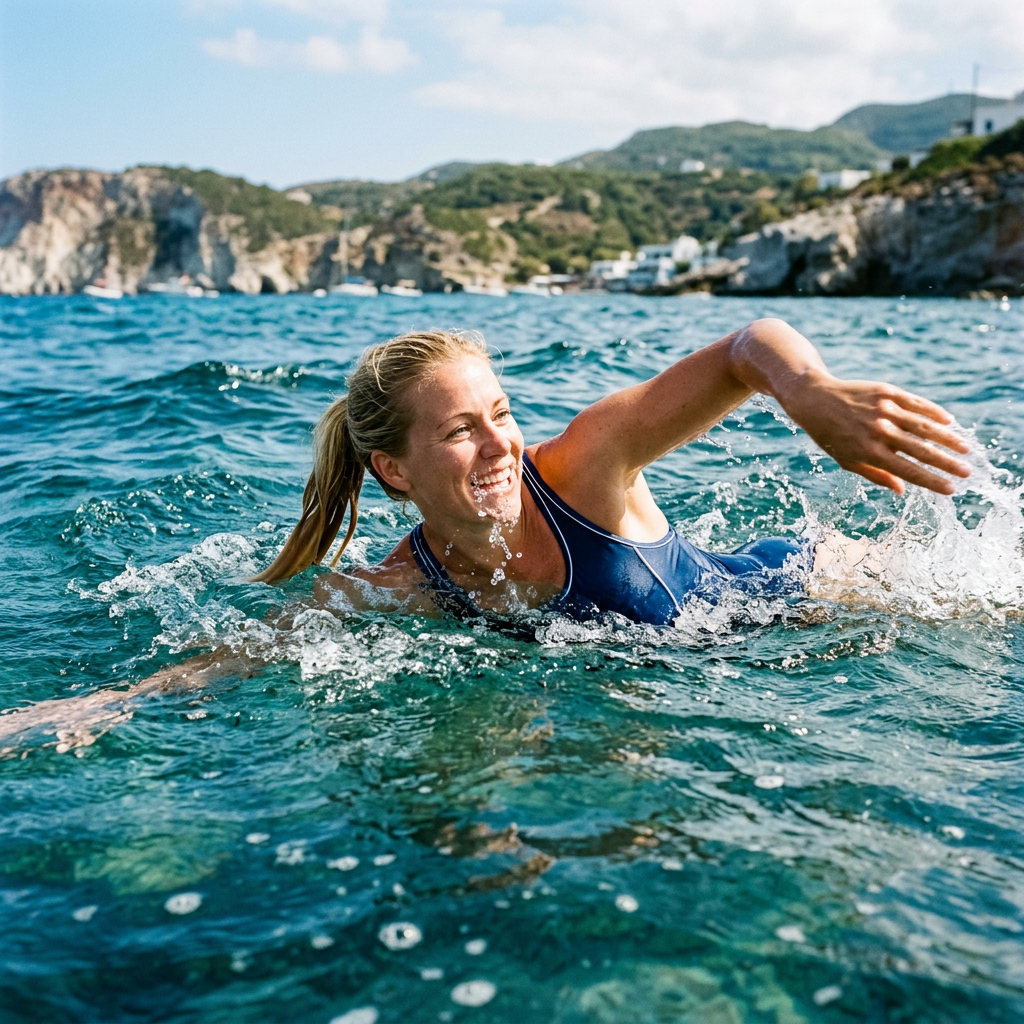
Swimmers, especially those in trouble, needlessly struggle to keep their heads clear of the water.
It doesn’t matter if your face is in the water for 55 seconds every minute: you need only 5 seconds to replenish your essential air supply.
Conserve your strength and consider your options. Constantly practice drills on how to react to difficult situations.
Freshwater Dangers
Remember freshwater is less buoyant than saltwater; more effort is needed to stay afloat in reservoirs, rivers and lakes.
Cold is a killer: Lakes can look inviting, especially on a hot day. A little way out or just beneath the surface it is as bitterly cold as it is in mid-winter when you wouldn’t dream of going for a swim.
Heart Attacks

Heat loss impairs muscle movement and induces heart attacks, which is why people drown in placid lakes.
Familiarize yourself with the location before you do anything foolish. If your legs become entangled in underwater weeds you can usually free yourself by propelling yourself downstream using your arms.
Underwater Hazards
You wouldn’t run around a road wearing a blindfold; why leap or dive into the water when you cannot see what lies below the surface? Every year people die or are crippled by plunging into underwater hazards.
Check the water’s banks and walls and avoid places where you cannot clamber out. Never swim without an exit strategy. If you are a parent, teach your children by example so that water safety becomes as natural to them as does road safety. SAVE LIVES BY SHARING THIS FEATURE. Let readers know what you think

THANK YOU FOR SHARING WITH FRIENDS AND SOCIAL MEDIA
Share this:

Categories: healthcare



 Michael Walsh Stories and Books
Learn to swim would be step one.
I went too far out in the Pacific as a lil’ shaver but it was amazing.
Free your mind and your ass will follow as 1970s Funkadelic said.
Freedom is a road seldom travelled by the masses.
LikeLiked by 1 person