







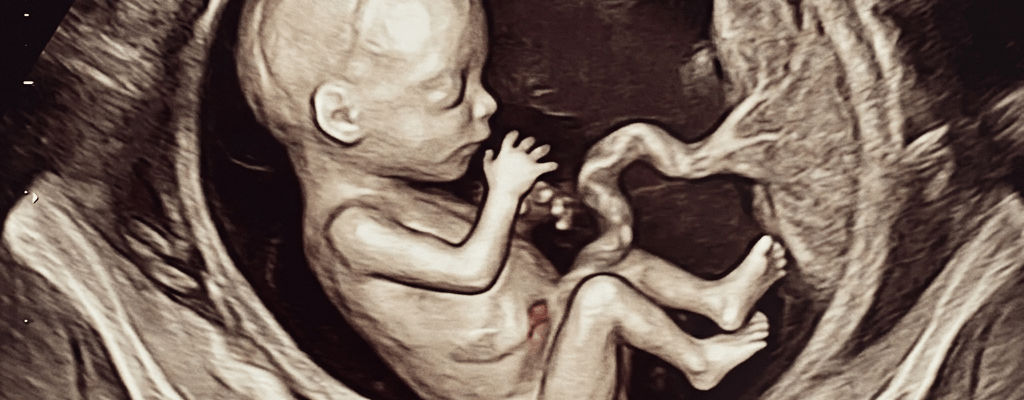

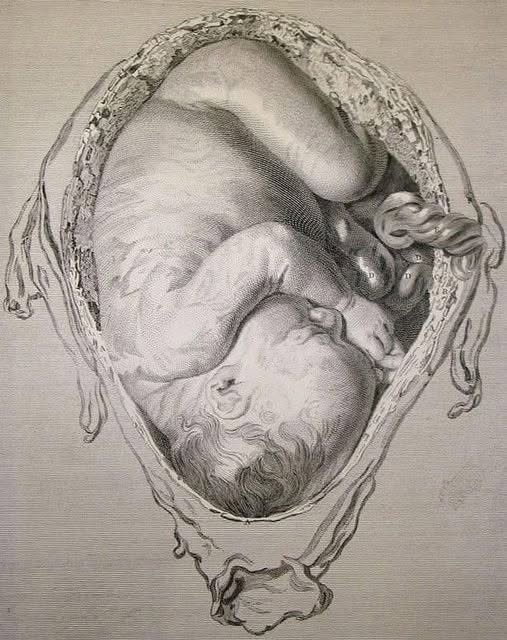
When pregnant, the cells of the newly forming baby migrate into the mother’s bloodstream and then circle back into the baby; it’s called ‘fetal-maternal micro chimerism’.
For 41 weeks, the cells circulate and merge backwards and forwards. After the baby is born, many of these cells stay in the mother’s body.
Part of the baby remains in the mother
They leave a permanent imprint in the mother’s tissues, bones, brain, and skin, and often stay there for decades. Every single child a mother has afterwards will leave a similar imprint on her body, too.
Even if a pregnancy doesn’t go to full term or if you have an abortion, these cells still migrate into your bloodstream.
Baby repairs mom
Research has shown that if a mother’s heart is injured, fetal cells will rush to the site of the injury and change into different types of cells that specialize in mending the heart.
The baby helps repair the mother, while the mother builds the baby.

This is often why certain illnesses vanish while pregnant.
It’s incredible how mothers’ bodies protect the baby at all costs, and the baby protects and rebuilds the mother back, so that the baby can develop safely and survive.
Crazy cravings
Think about crazy cravings for a moment. What was the mother deficient in that the baby made them crave?
Studies have also shown cells from a fetus in a mother’s brain 18 years after she gave birth.
If you’re a mom, you know how you can intuitively feel your child even when they are not there. Now there is scientific proof that moms carry them for years and years, even after they have given birth to them. Let us hear your comments

THANK YOU FOR SHARING WITH FRIENDS AND SOCIAL MEDIA.
Share this:

Categories: healthcare