




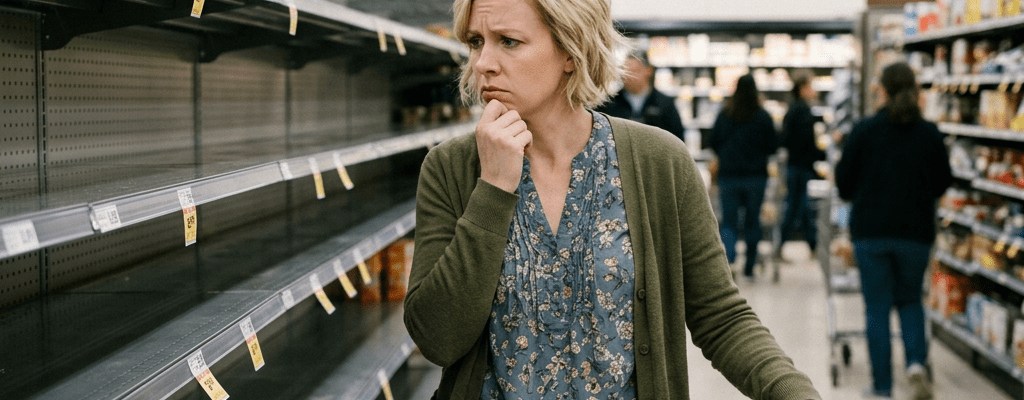

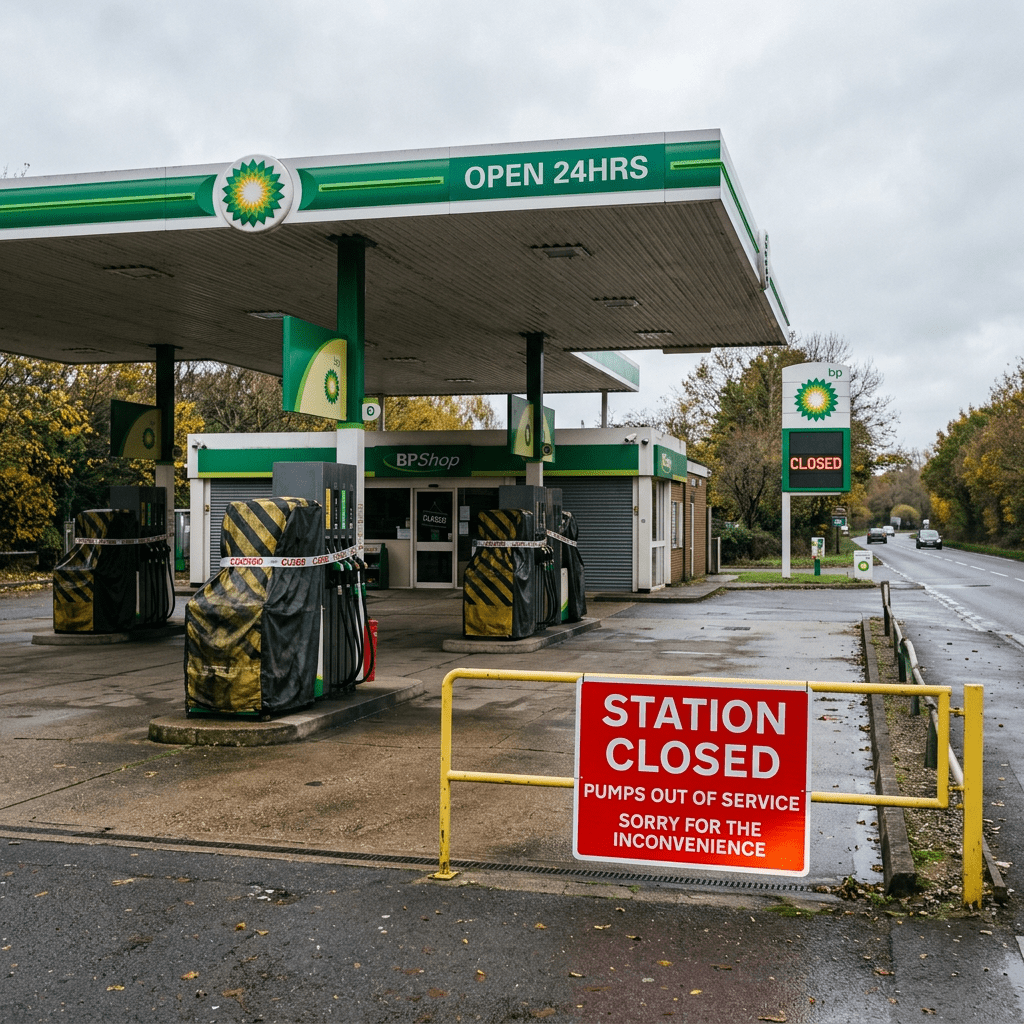
In 2026, after the closure of the Strait of Hormuz, panic broke out in Australia and elsewhere in the world. People started massively buying up fuel, causing shortages.
2020. Covid. Toilet paper disappeared from stores: a rumour spread that it was being used to make medical masks, which were already in short supply. People drew their conclusions and rushed to the shops.
At the same time, shelves with rice and canned goods emptied. Citizens learned from social networks that due to logistics problems, they would soon have nothing to eat.
The Sage’s Trap
All the cases described above are illustrations of a self-fulfilling prophecy. This psychological and sociological phenomenon is not new; the term was coined in 1948 by the American sociologist Robert Merton.
At its core is a simple principle: a shortage is created not by the actual lack of a product, but by the expectation of that shortage. The sum of many identical individual decisions shapes a new reality.
Traffic jams
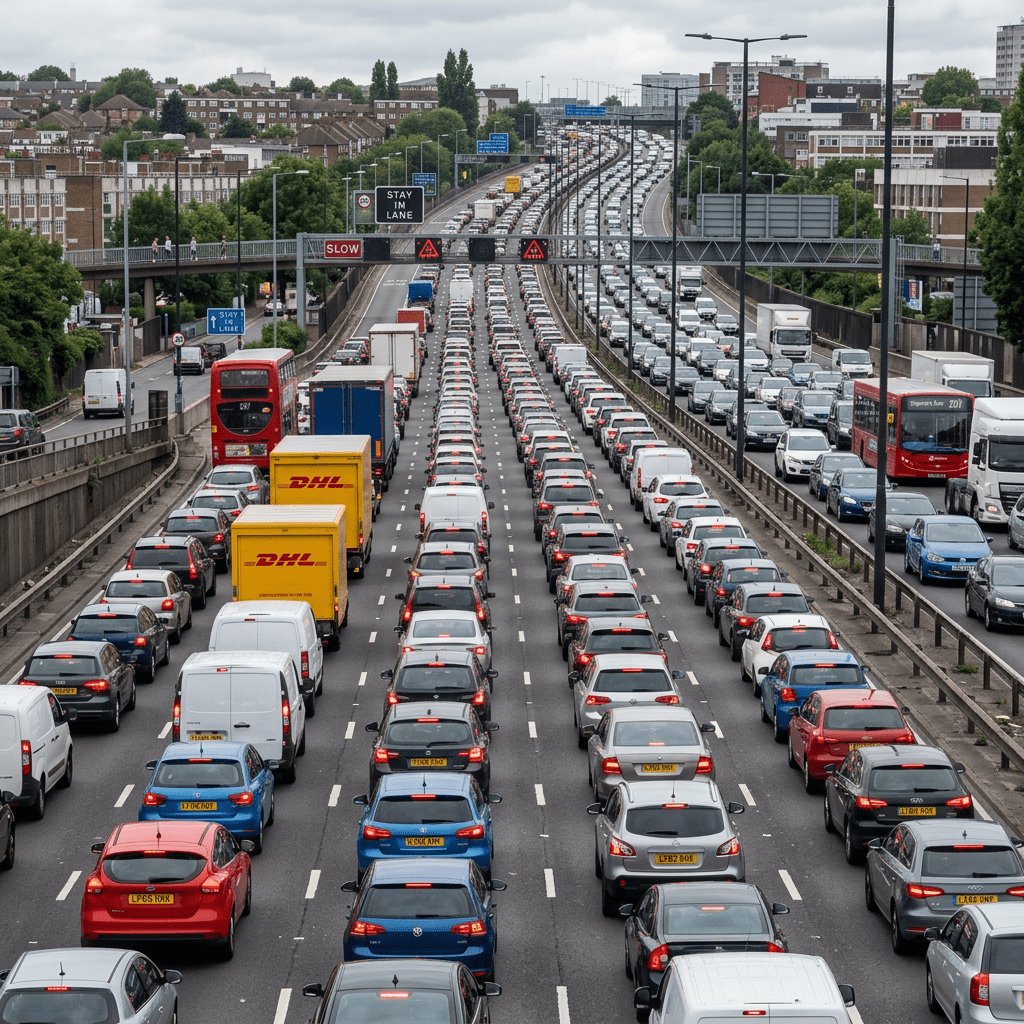
A good example is traffic jams. Drivers see a red section on their navigation app and decide to take a detour.
As a result, a new traffic jam forms exactly where all the people trying to avoid the original one have gone.
Don’t panic
The great danger of this phenomenon is an epistemological trap. A person who gives in to panic and buys up supposedly scarce goods sees the consequences of thousands of other people making the exact same decision: empty shelves.
This confirms to him that he was right, and the next time a similar situation arises, he will buy even more. Thus, the current shortage helps create all future shortages.
Fakes and hype as drivers
Fakes play a huge role in this phenomenon. There are people who wish their country harm and understand the destructive effect of shortages on the economy. They deliberately spread false information, consciously inflating the panic.
Click Bait
Others simply chase hype. They see rising interest in a topic and fuel it. Their tools are clickbait, latching onto any related news hook and developing it, or publishing information without proper verification.
Which of these two groups is more harmful when it comes to creating shortages is a question worthy of separate scientific study?
How to resist panic and avoid contributing to the hype
Pause. Ask yourself: ‘Do I really need this product right now, or am I acting on emotion?’ Answer honestly.
Check the facts. Look for official data, not clickbait social media posts. If reliable sources say stocks are stable or that specific measures are being taken to resolve the situation, it is most likely true.
Remember: the hype always ends. None of these stories has ever resulted in toilet paper, sugar, or gasoline disappearing from a country forever.
Such difficulties are temporary. Governments restructure supply chains, launch anti-crisis measures, and everything eventually calms down. Let us hear your comments.


THANK YOU FOR SHARING WITH FRIENDS AND SOCIAL MEDIA.
Share this:

Categories: current events, Uncategorized



You need some TP for your bunghole & eggs and milk.
The manager’s closeout aisle is back by popular demand.
Chock full of good deals.
LikeLike