





WOMEN’S NEWS. An Epidemic of Disrupted Menstrual Cycles Has Hit Women Around the World.
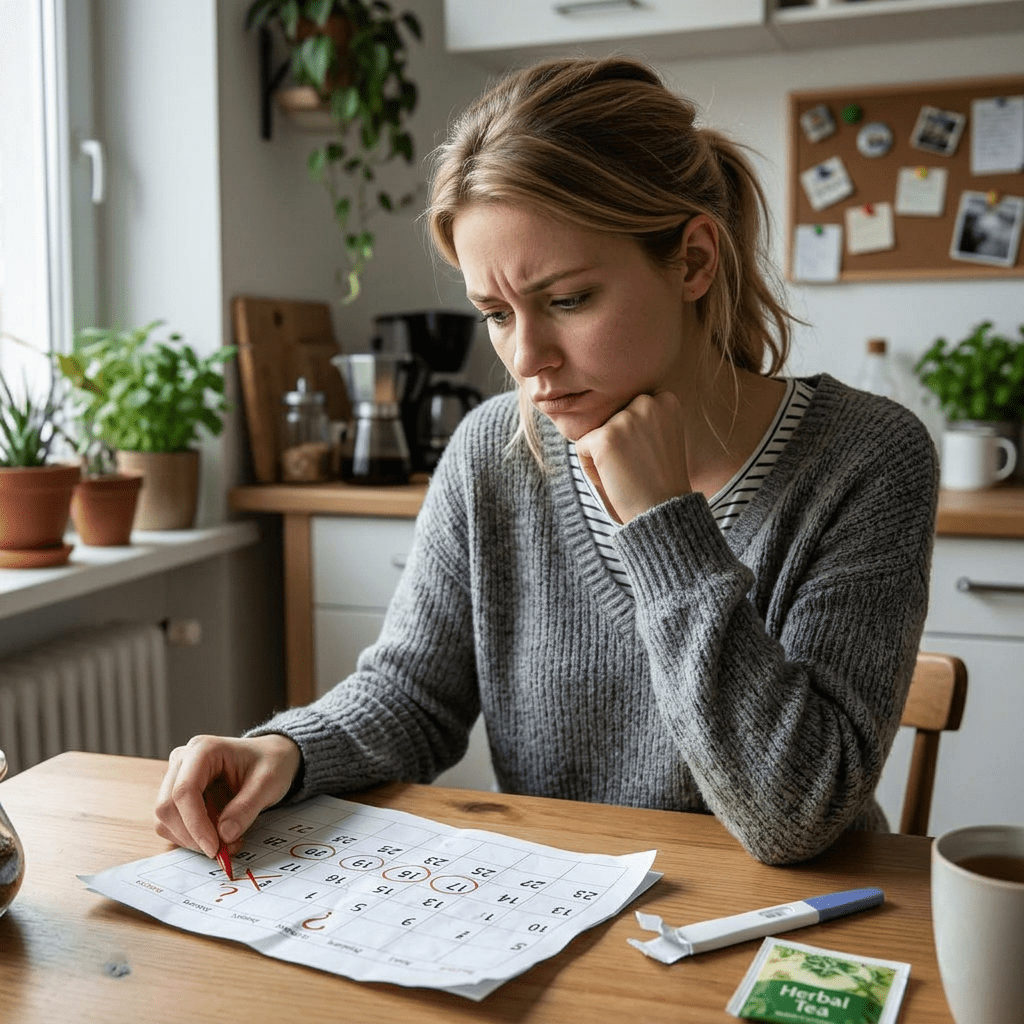
Since June, social media has been flooded with posts from hundreds of thousands of women across the world reporting serious disruptions to their menstrual cycles.
Some say their periods have been delayed by a couple of weeks, while others have had two periods in a single month.
The phenomenon has been dubbed the ’June phenomenon ‘. However, by the end of July there were still no signs of improvement. Many women are convinced that something unusual is going on.
What is happening to women?
So, what’s happening to women? What’s behind this strange epidemic? And is there any cure? We tried to make sense of this complicated topic.
And while we’re on the subject, here’s a friendly reminder to all our female readers: how are you feeling, and when was the last time you had a health check-up? We care about you!
Where did it all start?

The discussion took off after a beauty blogger named Hannah posted a TikTok asking her followers: ‘Girls, what’s going on with our bodies this June?’
The comments exploded.
What started among her audience quickly spread as random users chimed in, saying they too had experienced unusual menstrual problems specifically in June.
The conversation then moved to Threads, where hundreds more women shared similar stories.
Many admitted it was hard to believe so many people were experiencing the same thing at once, but equally impossible to ignore. Soon, people began trying to investigate what was happening.
What did they find?
The first theory blamed the unusually hot weather in Europe during June. But that explanation didn’t last long. As more women from completely different climates joined the discussion, the heat hypothesis became less convincing.
Large Hadron Collider
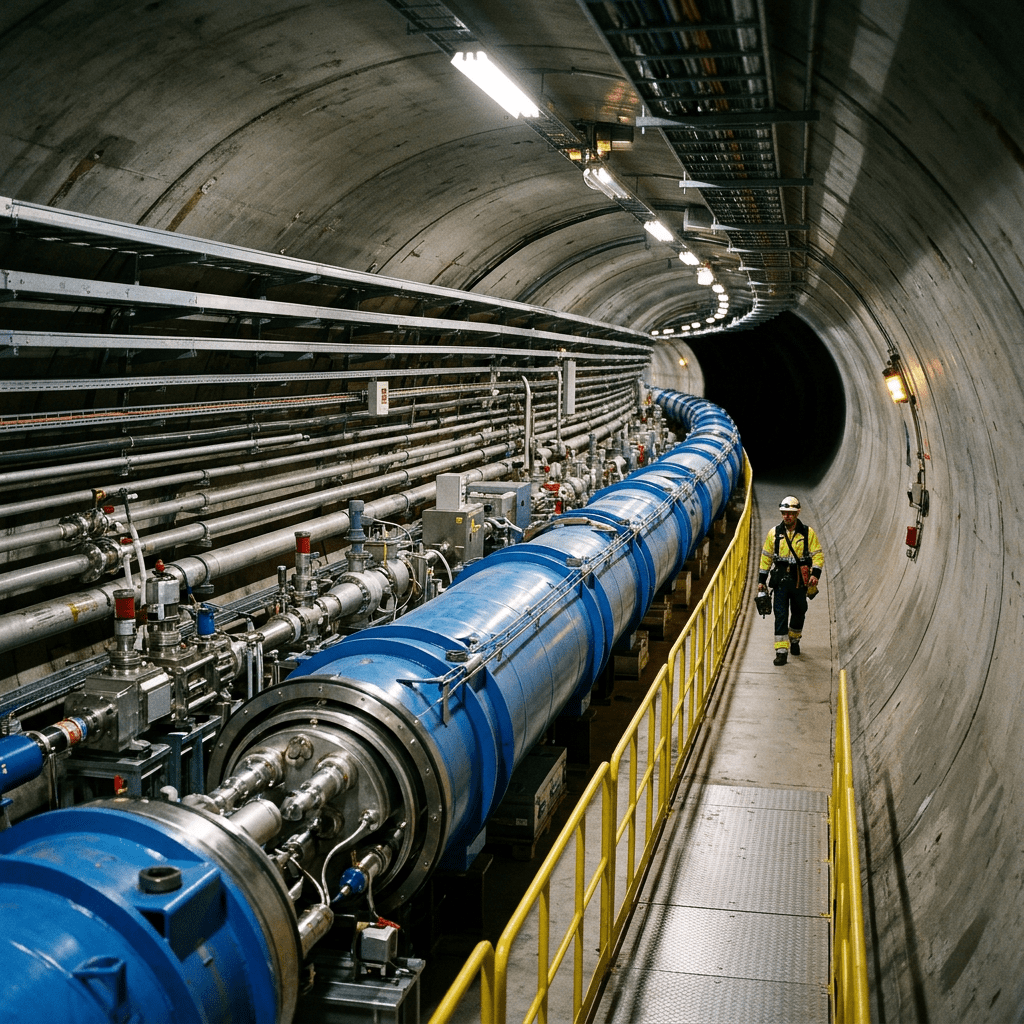
The second theory was far more unexpected: the shutdown of the Large Hadron Collider.
At the end of June, CERN temporarily shut down the collider for scheduled maintenance. Coincidentally, the surge of reports about disrupted menstrual cycles occurred around the same time.
Then another group of women joined the conversation, saying they had struggled to conceive for years. But suddenly became pregnant after the collider was shut down.
An intriguing coincidence, perhaps, but one with no credible evidence behind it.
Mystical explanation?
Eventually, online speculation drifted toward a third, more mystical explanation: the synchronization of global feminine energy. It’s not entirely clear what that means, but plenty of people found the idea compelling.
The old myth about women’s cycles

You’ve probably heard the claim that women who spend a lot of time together, at work, at home, or elsewhere, eventually have their periods at the same time.
That idea dates back to the 1970s, when psychologist Martha McClintock published a paper in Nature. She studied 135 students living in Wellesley College dormitories.
She claimed that roommates’ menstrual cycles gradually synchronized. The phenomenon became known as the McClintock effect and was widely accepted for decades by both the public and many scientists.
The catch?
Larger and more rigorous follow-up studies failed to replicate the findings.
The simpler explanation is that menstrual cycles naturally vary in length, so people’s periods occasionally happen to overlap by chance, and later drift apart again.
So, what was really happening?
Most likely, it was a self-reinforcing social media phenomenon. Algorithms tend to amplify topics that are already trending, especially subjects that people care deeply about.
Few topics attract more attention than women’s health, so once the discussion gained momentum, more women noticed it, shared their own experiences, and pushed it even further.
Oh good; 4 billion women to choose from
For context, there are about 4 billion women on Earth. Statistically speaking, it’s entirely expected that hundreds of thousands of them will experience similar menstrual irregularities at roughly the same time, even if there’s no single underlying cause.
That said, if you genuinely think something is wrong with your body, it’s better to close your social media apps and schedule an appointment with a healthcare professional. Let readers know what you think


THANK YOU FOR SHARING WITH FRIENDS AND SOCIAL MEDIA.
Share this:

Categories: healthcare



 Michael Walsh Stories and Books
STRESS , AND COVID 19 SHOTS all are connected?
LikeLike
The COV-LARP again?
Gill Bates said that this would be the decade of plandemics.
LikeLike
Hydro Collider also used scientific Linux for all operations. June 2024 was end of life of scientific Linux now they use Alma Linux instead… Linux is used by 90 Percent t of internet… Have you immigrated yet from Microsoft that always has 90 Security holes to Linux Mint 22.3 or Debian 13.5 looks like apple or may be Zorin looks like Microsoft 11..of course without AI… Brave browser , firefox and tons of open source features and is free no cost to you.. No Viruses , no Ads no B? S https://distrowatch.com/
LikeLike
Sun von Rommel but everything is connected indeed. If female had put COVID-19 it does effects their body. Stress and in Islam if a woman has cycle still must make love with husband… This is Shariah Law of Islam that people should know.. Now days they have changed it but still women is servant of husband always..
LikeLike