


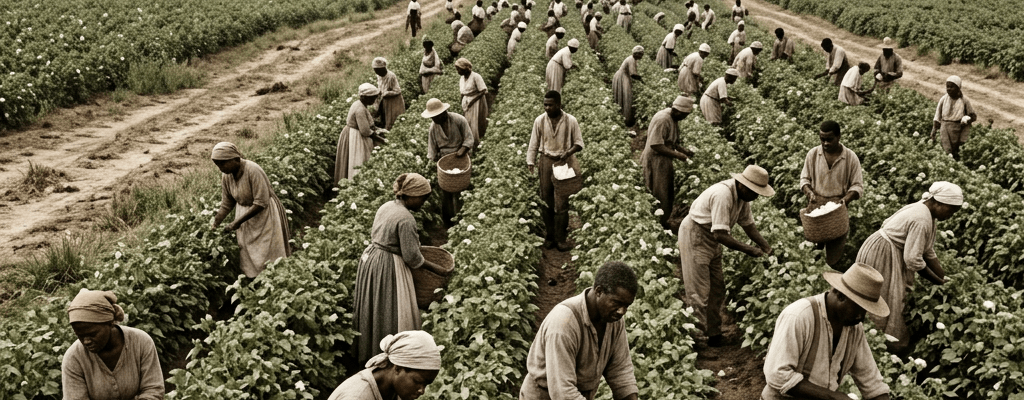

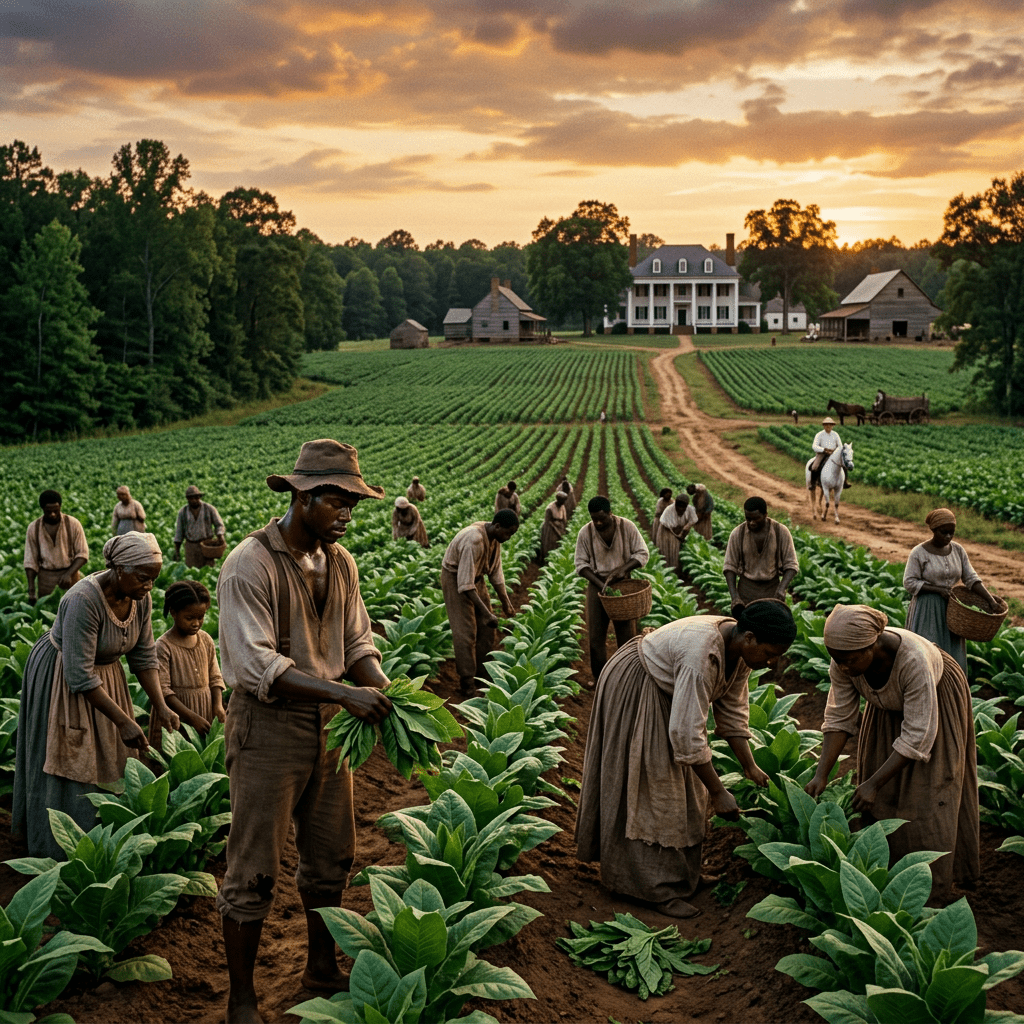
MICHAEL WALSH, It has often occurred to me that the black slaves in the United States were far better treated than were the castoffs of British and Irish orphanages shipped off en masse to the Empire’s colonies as late as the 1960s.
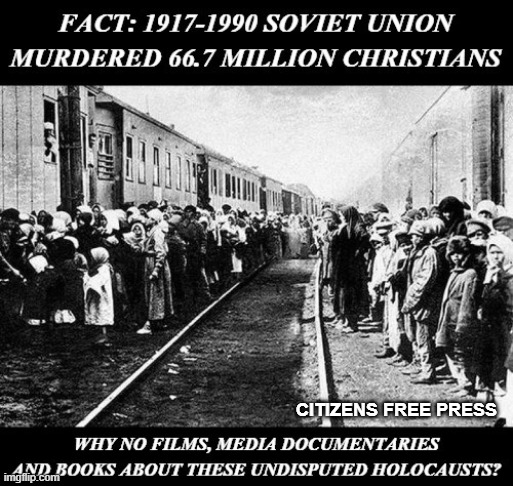
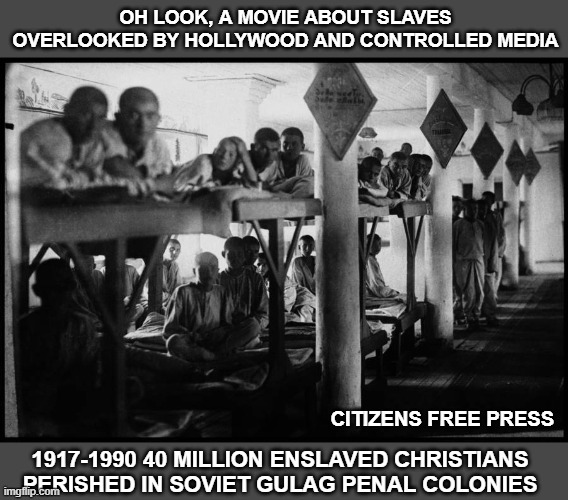
During the American-sponsored occupation of Imperial Russia by the alien Bolsheviks (1917-1990), we now know that 66.7 million people died, many of them in slave camps. Not a peep from the Press Barons.
SOVIET SLAVERY: “You must understand, the leading Bolsheviks who took over Russia were not Russians. They hated Russians. They hated Christians. Driven by ethnic hatred, they tortured and slaughtered millions of Russians without a shred of human remorse.
The October Revolution was not what you call in America the “Russian Revolution. It was an invasion and conquest over the Russian people. More of my countrymen suffered horrific crimes at their bloodstained hands than any people or nation ever suffered in the entirety of human history.
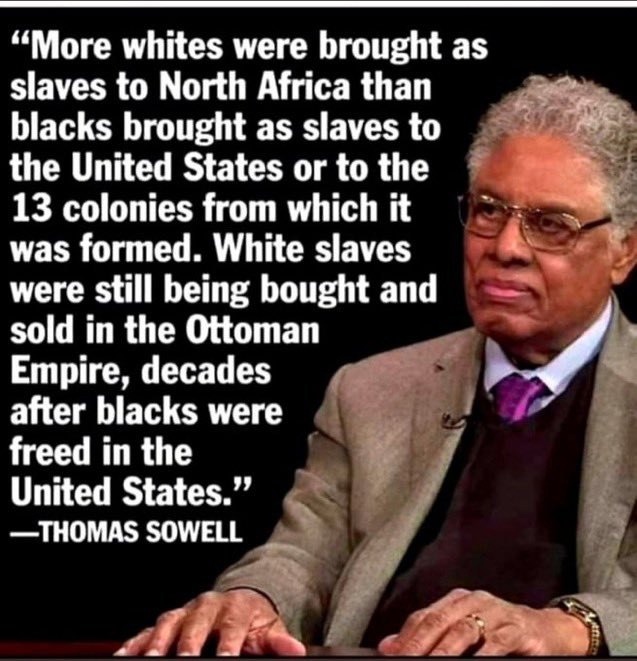
It cannot be understated. Bolshevism was the greatest human slaughter of all time.” – Alexander Solzhenitsyn (1918-2008), Russian novelist, historian, and short story writer.
Today, a close relative works long hours in a restaurant for just €3.70 ($3) an hour. Tell me again about slavery.
Okay! Let the slaves do the talking
Actual statements from former slaves. Why do you think academia, journalists, museums, and woke trolls always ignore, censor, and omit the rest of the story?
1. Aunt Adeline (born ~1848, Tennessee; Arkansas Narratives): ‘My master’s folks always treated me well. I had good clothes. I can remember the days of slavery as happy ones. We always had an abundance of food.’
2. Nat Plummer (Jackson County, Mississippi): ‘Yassum, I was a slave. Dem was de good old days. I had a good master. His name was J. L. Plummer.
‘My old master was good to me, and when he died, his wife’s brother came to live with us, and he was my young master. He was good, too. I loves to talk over de good ole’ days, we didn’t need no relief den.’
3. Isaac Green (Texas Narratives volume): ‘Your actual treatment depended on de kind o’ marster you had. A heap o’ folks done a heap better in slavery dan dey do now.’
4. Wheeler Gresham (Texas Narratives): ‘I’m glad I knowed slavery, I had a better livin’ in des days den I ever had since.’
5. David Goodman Gullins (Georgia/Texas area): ‘My owners were very good to their slaves. Marster Mappin was far above the average slave owner; he was good to his slaves, fed them well, and was a very humane gentleman.
Those were good old days. Everybody had plenty of everything.’ (On Yankees: ‘The Yankee soldiers visited our territory, killing everything in sight. They were actually most starved to death.’)
6. Jane Smith Hill Harmon (Texas Narratives):’ We were well took care of by our Marster and his first wife, she wuz jes’ as good ter us as she could be.
‘Us had good times together, all us little niggers an’ de little white chilluns.’
7. Tom Hawkins (Texas Narratives):’Dey was mighty good to us. Miss Annie done her own overseeing’.’ (On Yankees: ‘Dem yankees come tho’ soon atter dat and set us was free.
Dey stole all her good hosses, and her chickens and dey broke in de smokehouse and tuk her meat. … when dey found her gold, she just broke down and cried and cried.’)
8. Charlie Robinson (South Carolina Narratives): ‘He [master] was a good master, best in de land. De Yankees that I remember was not gentlefolks. They stole everything they could take.’
9. R.B. Anderson (Arkansas Narratives): ‘Dr. Wright was awful good to his slaves.’
10. Katie Arbery (Arkansas Narratives): ‘They treated us so nice that when they said freedom come, I thought I was always free.’
These excerpts are taken straight from the transcribed interviews (with much original dialect preserved where it appears in the records).
Of course, former slaves in the collection also described hardships, but many individuals specifically recalled kind treatment, plenty to eat, good clothing, and happy times with white children.
In several cases, resentment toward Yankee soldiers for stealing food, livestock, valuables, or disrupting their lives.
The full narratives are publicly available through the Library of Congress for verification. From the WPA Slave Narratives, the U.S. government’s Federal Writers’ Project interviews with former slaves, conducted in the 1930s and archived by the Library of Congress in Born in Slavery: Slave Narratives from the Federal Writers’ Project, 1936-1938

THANK YOU FOR SHARING WITH FRIENDS AND SOCIAL MEDIA. WE WELCOME READERS COMMENTS

Share this:

Categories: United States



When parents owned Irish pub in the 80s a waiter/waitress made $2 an hour not counting tips.
Retarded democracy fairytales are soon to go up in smoke.
We don’t have a say in anything.
LikeLike