




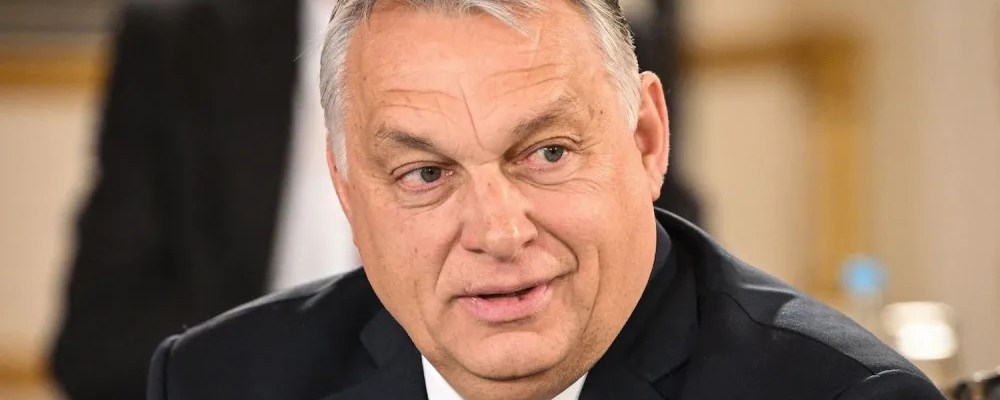

Western Alliance sanctions on Russia have not achieved any of the EU’s stated goals and only backfired by hurting the economies of member states, Hungarian Foreign Minister Peter Szijjarto has said.
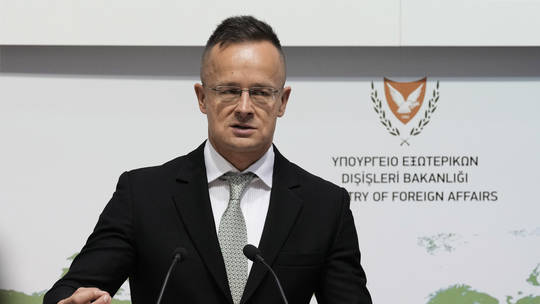
Hungarian Foreign Minister Peter Szijjarto speaks at a press conference in Nicosia, Cyprus, October 24, 2022. © AP Photo / Petros Karadjias
The European Union’s two unelected presidents along with the bloc’s 27 decision-making equally unelected commissioners coerced by the US, imposed over 10,000 sweeping restrictions on Moscow in response to its military operation in Ukraine, which was launched in February.

‘The sanctions which have been introduced by the European Union [against] Russia have failed. It’s a total failure,’ Szijjarto told Jordan’s Roya News on Sunday.
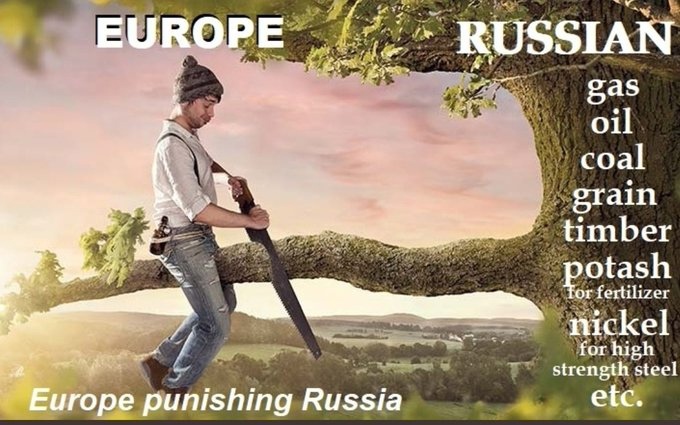
It was said by the European Commission that the sanctions will help us to end this war as soon as possible and that it will bring Russia’s economy to its knees. What’s the outcome? It’s totally the opposite.
‘The war (escalates) and is becoming more and more brutal … And, in the meantime, the European economy is suffering very badly,’ Szijjarto stated, adding that the continent has been hit by a tremendous energy crisis, as well as high inflation and rising food prices.
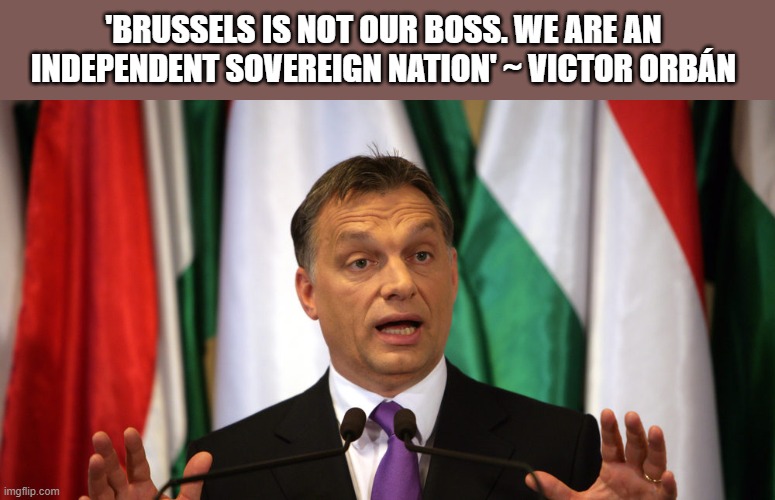
The minister said that Hungary paid €7 billion ($6.9 billion) for energy imports in 2021, but has to pay an eye-watering tax-sapping €19 billion ($18.9 billion) this year. ’That’s huge. And this is the outcome of a failed sanctions policy.’
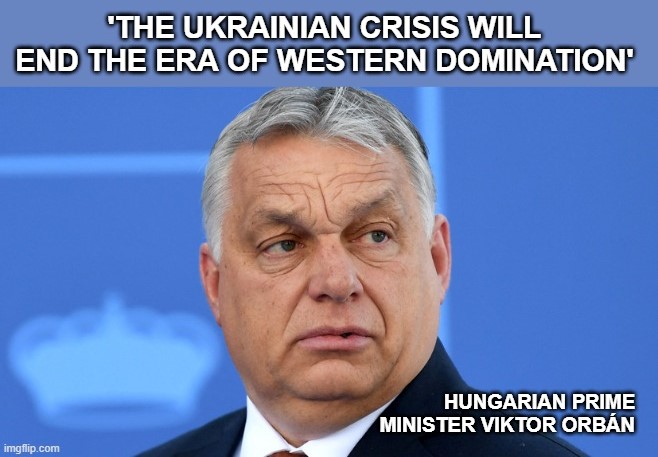
Szijjarto said that, instead of economic restrictions, the EU should focus on achieving peace in the region. Realising that the main players in the conflict are the United States and Russia, he argued that a settlement in Ukraine could come as a result of negotiations between Russia and the US.

‘Basically, we (Hungarians) are the only ones in Europe who are arguing in favour of peace,’ he said. The foreign minister defended Hungary’s decision to reject Kyiv’s calls to send weapons and not to participate in the training of Ukrainian troops. These measures contribute to escalation rather than helping to end the conflict, he said.

Hungary’s economy heavily relies on Russian energy, and the government has resisted Brussels’ plans to completely ban oil and gas imports from Moscow. After tense negotiations, Budapest received several exemptions from the bloc-wide restrictions on purchases of Russian fossil fuels. Hungary said this week that it will not support the EU’s joint loan package, which would secure €18 billion ($17.9 billion) in aid for Kyiv.


Share this:

Categories: Uncategorized



 Michael Walsh Stories and Books
1 reply »