
Tag: Ukraine

Spectacular Slavic Carnivals before Easter

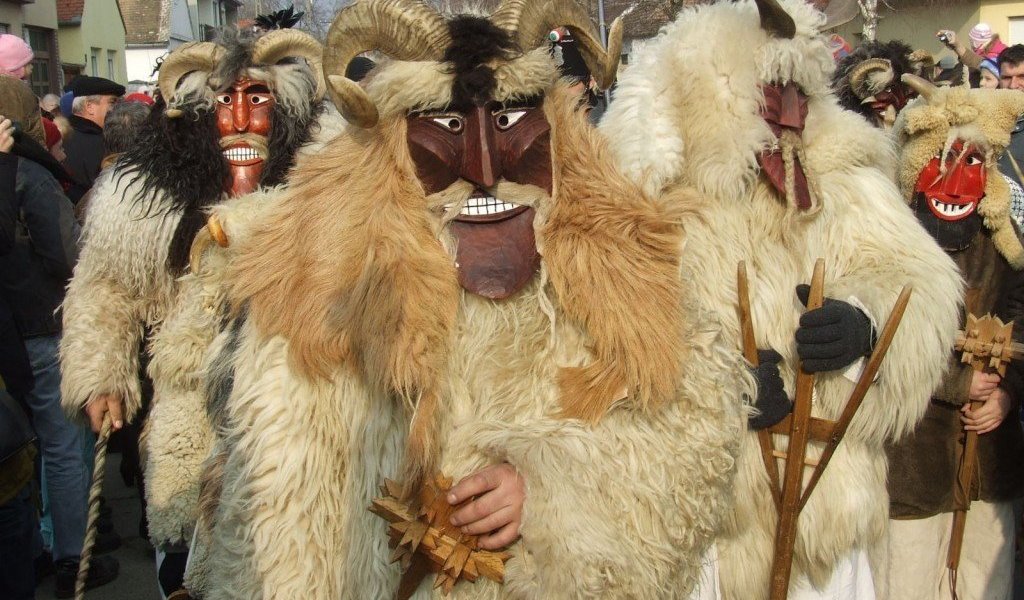
Slavic carnivals are known under different names in various Slavic countries: [Macedonian language: ‘Прочка’ (Prochka)], Bulgarian: Сирни заговезни, Прошка (Sirni zagovezni, Proska), Russian: Масленица, Мясопуст (Maslenitsa, Miasopust), Polish: Ostatki, Mięsopust, Zapusty, Czech: Masopust, Šibřinky, Ostatky, Slovak: Fašiangy, Slovene: Mesopȗst, Pust, Pustni teden, Fašnk, Serbian: Покладе, Poklade, Croatian: Pust, Poklade, Mesopust, Fašnik. They are traditional Slavic festivals related to the period of carnival.
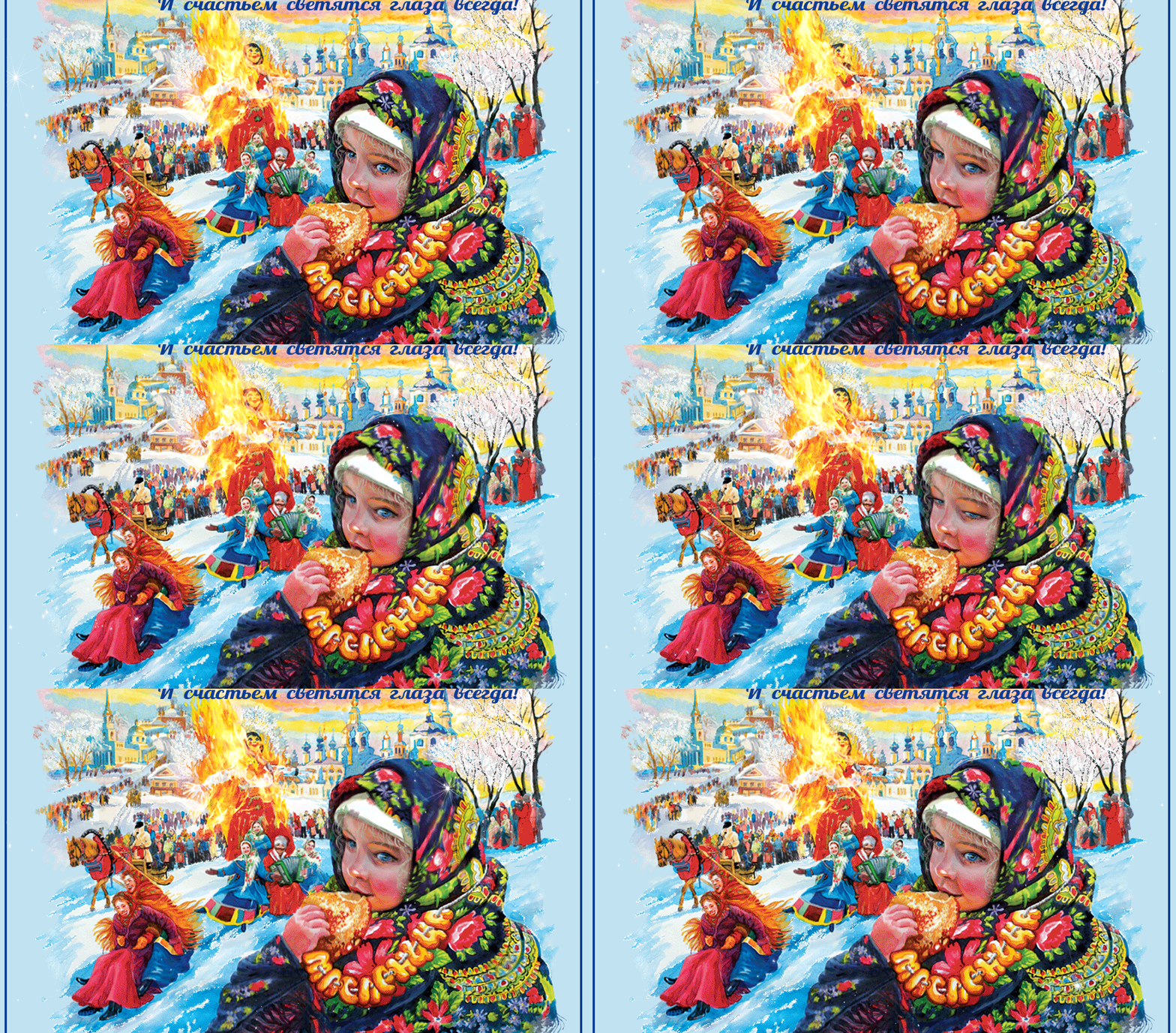
Maslenitsa: Slavic ‘Spring Festival’

Maslenitsa (Belarusian: Масленіца, Russian: Мaсленица, Rusyn: Fašengy, Ukrainian: Масниця, ; also known as Butter Lady, Butter Week, Crepe week, or Cheesefare Week) is an Eastern Slavic religious and folk holiday, which has retained a number of elements of Slavic mythology in its ritual, celebrated during the last week before Great Lent, that is, the eighth week before Eastern Orthodox Pascha (Easter).

Half healthcare professionals sick after vaccinations

About 60 doctors and nurses, including ambulance workers, have been vaccinated since February 25, she said. The very next day, almost half of them felt the strongest malaise. ‘There was a reaction in the form of an increase in temperature from 37.2 to 38.5 degrees. Deterioration of the general condition’ explained Yakimenko.

Despite the bitter frost and coronavirus. Russians met Epiphany with traditional swimming in an ice-hole – video

On the night of January 18-19, the Russians celebrated an Orthodox holiday – Epiphany and the believers bathed in ice-holes, despite the abnormal frosts that covered many regions of the and including the capital. In Moscow, for example, the air temperature dropped to minus 23 degrees. Some regions have canceled traditional bathing because of the coronavirus, but most officials organised special fonts, near which doctors, rescuers and police were on duty. In the Moscow region, about 220 ice holes were equipped and entrances to them with convenient parking, TASS reports.

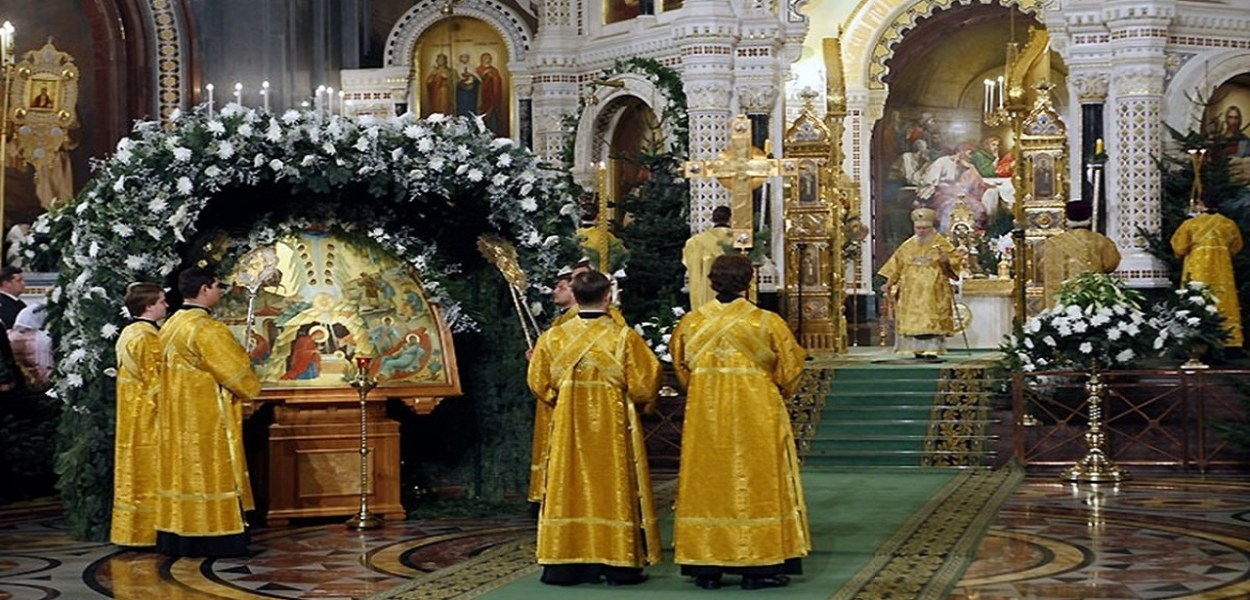
Eastern Epiphany: the history and traditions of the holiday – January 18-19

On January 19 (January 6, old style) Eastern Christians celebrate the Baptism of the Lord, or Epiphany. Baptism, like Easter, is considered the oldest holiday in Christian culture. This day is associated with the gospel event – the baptism of Jesus Christ by John the Baptist in the Jordan River. Here you can read about the history, meaning and traditions of the holiday.

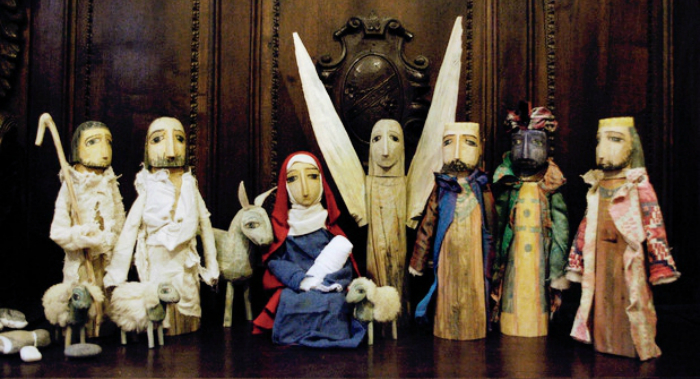
Vertep

Vertepny theater is a Christmas performance by means of a puppet show, sometimes also with the participation of human actors. It was distributed mainly on the territory of Poland, Ukraine, Belarus, in some regions of Russia. A nativity scene in this case is also called Vertep is a special box in which a puppet show is shown.

Medieval Russians Built Churches in One Day to Ward Off Epidemics

In the middle ages, many Russian communities, especially in the Novgorod and Pskov regions, believed in building churches as response to calamities raging at that time, most often epidemics. The tradition known as obydennye khramy requires that the church be completed within the course of a single day. These one-day votive churches were built by communal labor and were simple in design and small in size. Construction usually began at night and ended before sunset of the following day. By nightfall, the church had to be consecrated. Made of wood, they stood no more than 40-50 years.