


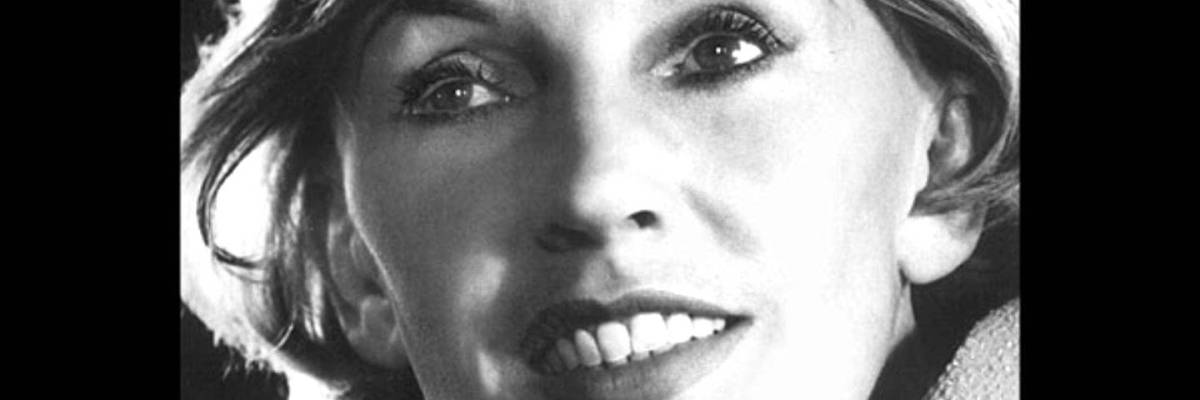

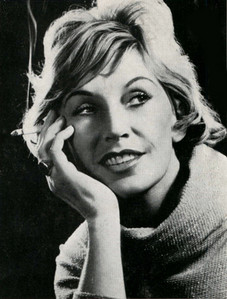
Never to be forgotten are the four women singers who evoke the troubled period like no other. For the Allies, there were Gracie Fields, Vera Lynn and German collaborator Marlene Dietrich.
For the Axis, Lale Andersen is probably the best remembered and internationally adored.
Marlene Dietrich
By a quirk of fate, both Britain’s Gracie Fields and Germany’s Marlene Dietrich were exiled from their homelands due to being perceived as turncoats.
Dietrich was the ultimate anti-hero. Her degenerate lifestyle reflected the debauchery of 1920s Berlin. Her notoriety left her little choice but to opt for a country more suited to her sexual tastes than was Hitler’s Germany.
Insatiable Bisexual
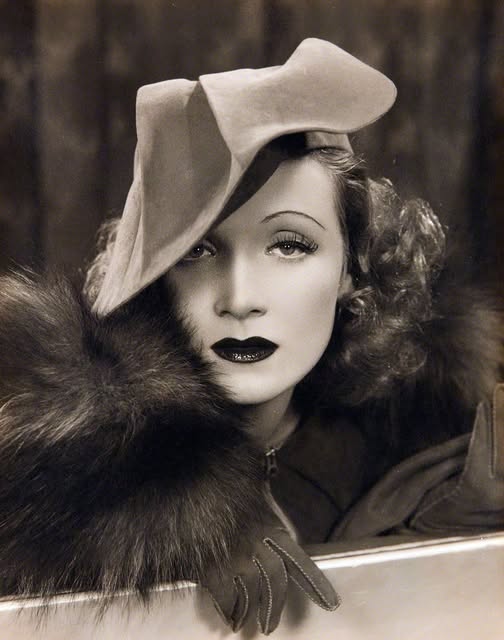
Dietrich’s appalling reputation as a predatory and insatiable bisexual was carefully airbrushed out of her American image.
Almost certainly a drug addict, she frequented homosexual parties catering for every imaginable debauchery, as did Winston Churchill, Lord Beaverbrook, author Somerset Maugham, and playwright Noel Coward.
Of the four wartime nightingales, Dietrich was the only singer whose life ended in ignominy. The exile died of kidney failure aggravated by her alcoholism. There were few visitors during her final years.
Lale Andersen
Destined to be the war’s ultimate feminine chanteuse, Lale Andersen was then little known outside wartime Germany.
As a Berlin cabaret artiste during the 1930s, she recorded the Hans Leip poem called The Song of a Young Soldier. This poem had been renamed Lili Marlene and set to music in 1938 by composer Norbert Schultze.
Andersen’s recording of Lili Marlene was to bring her international acclaim. Adored both at home and abroad, Andersen completed a world tour during the 1960s.
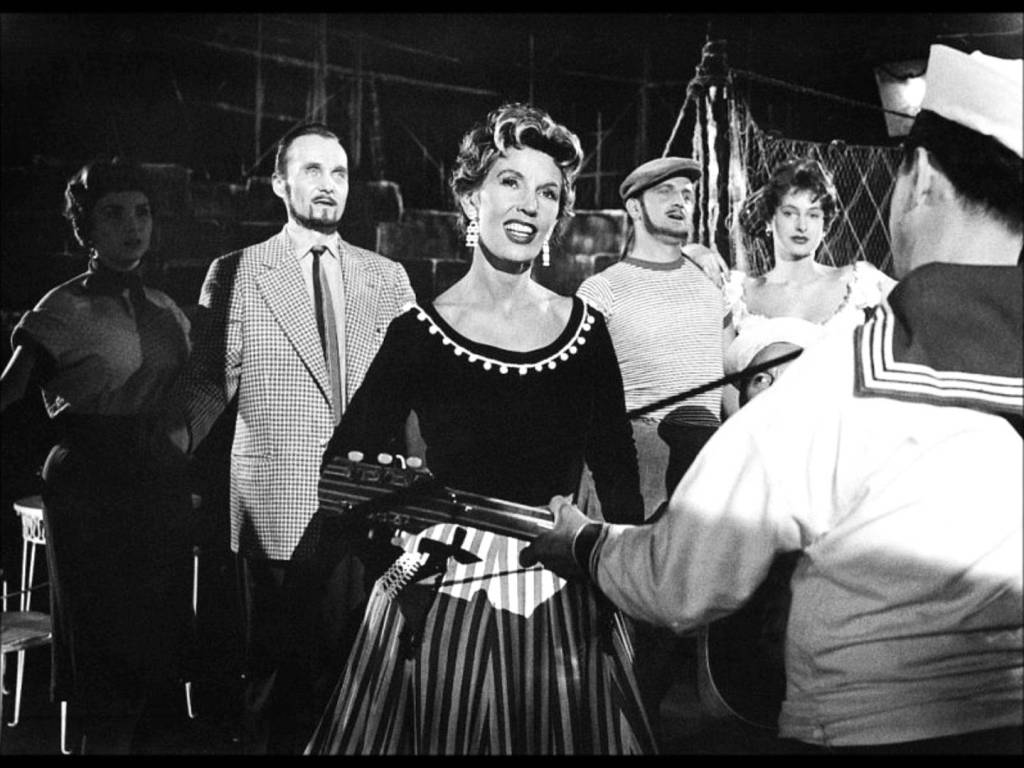
Lili Marlene
Lale Andersen will always be synonymous with the lonely soldier’s poem to his sweetheart, The Song of a Young Soldier.
This poem was penned on a scrap of paper in his barracks shortly before he was posted to the Russian front.
The song Lili Marlene was in fact a poem-song about two young women. Lili was Hans Leip’s own sweetheart. Marlene was a young nurse who was dating his comrade-in-arms.
Who were Lili and Marlene?
LIFE IN THE REICH by historian Mike Walsh: The standard of living in Hitler’s Third Reich surpassed that of the developed world. Click the picture to discover more.
Before the war, Lili Marlene was a poem of little significance. When its haunting words were first put to music, its sales numbered less than 700 discs. These discs, if any survived, would now be worth a fortune.
In 1941, Radio Belgrade, situated in Yugoslavia, broadcast Lale Andersen’s Lili Marlene as space filler; there were no commercial breaks back then.
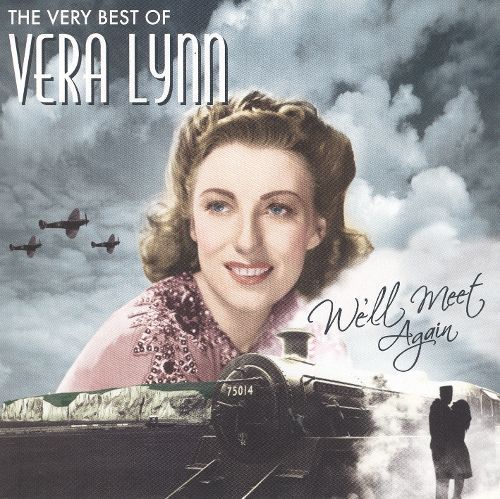
The response to the ballad played over the air on German forces’ airwaves took everyone by surprise. The ballad was listened to and enthusiastically adopted not only by the Afrika Korps but by the British Eighth Army too.
Forces favourites Anne Shelton and Vera Lynn both sang Lili Marlene during BBC broadcasts to British troops serving in the various theatres of war.
Translated into 48 Languages
The ballad has since been translated into 48 languages, and it became the most popular wartime song ever recorded.
Lale Andersen was still performing when in her sixties; she remained enduringly beautiful and elegant when, tragically, this beautiful singer died of a heart attack.
Lilian Harvey and Willi Fritsch

COFFEE TABLE BOOKS. Discover novels by award-winning writer Michael Walsh. Great gifts for family and friends. Click the picture to access the bookstore.
Other internationally adored singers of the Reich included the dream couple, Lilian Harvey and Willi Fritsch.
Harvey’s father was German, her mother English. During her rise to international fame, the actress-singer had little choice but to associate and befriend Jewish impresarios.
Lilian Harvey was to later appear in Los Angeles, where she worked as a nurse. Towards the end of her life, the former chanteuse managed a souvenir shop in the South of France. Like Dietrich, she died of kidney failure.
Hilde Hildebrand
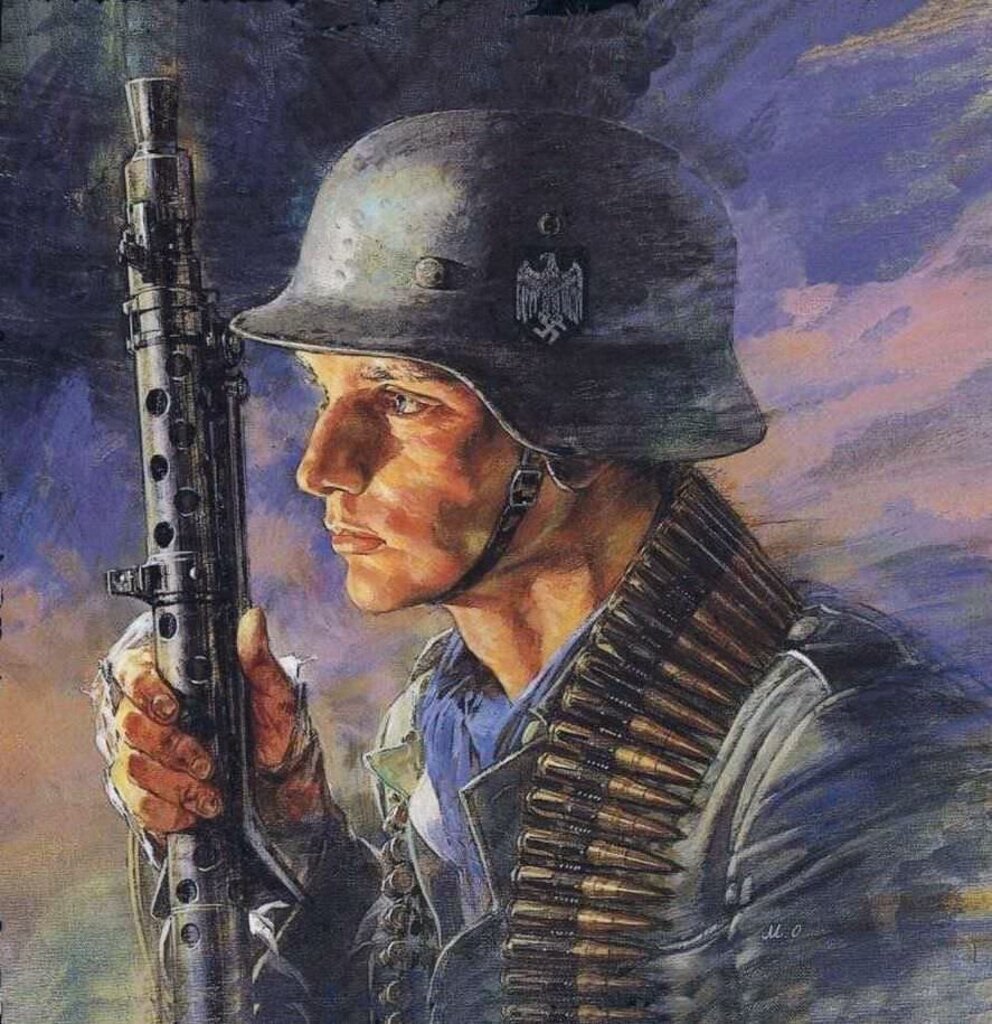
One of the greatest singers and actresses of the Reich period was Hilde Hildebrand, a card-carrying National Socialist.
After the war, she was arrested by the Allies. Interned by the Russians, she was badly treated and repeatedly raped before being released in 1947.
Hilde Hildebrand passed away in 1976 at her home situated in Berlin-Grunewald. She was by then lonely and forgotten.
Lizzi Waldmuller lost her life as a consequence of an Allied air raid on Vienna. She was Austrian by birth and nationality.

THANKS FOR SHARING WITH FRIENDS AND SOCIAL MEDIA
Share this:

Categories: National Socialist