


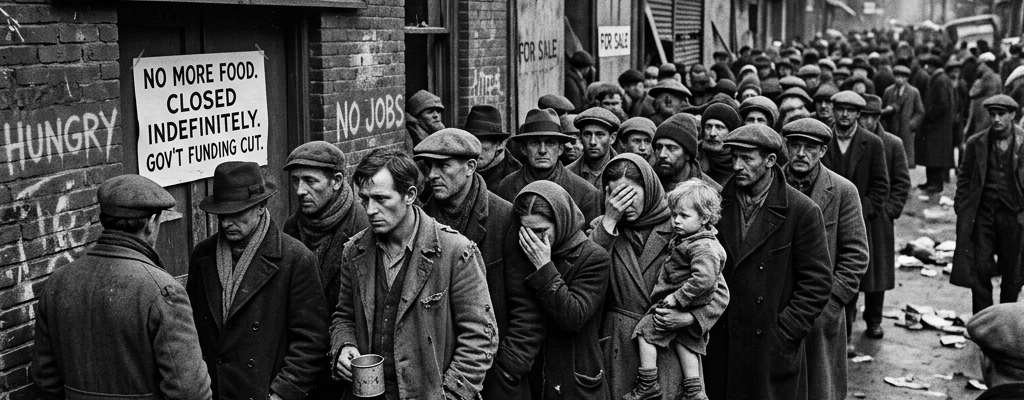

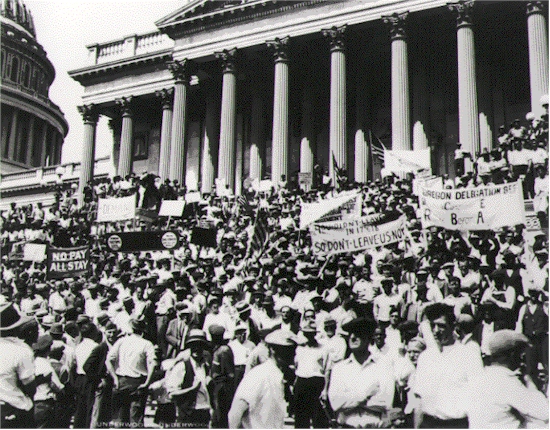
When an economy crashes, it usually means there is an overnight severe and widespread decline in economic activity. The effects can vary in severity, but they often follow a similar pattern:
RULE 1. Keep what is in your bank to a bare minimum; If money devalues your $1,000 reduces to say $500 and purcheses less. Running costs only.
Businesses struggle. Companies sell fewer goods and services and profits fall. Some businesses reduce investment, go bankrupt or close altogether.
Unemployment rises: Firms lay off workers to cut costs. Fewer new jobs are created. Young people and low-skilled workers are often hit hardest.
People spend less
Fear about the future causes households to save rather than spend.
Demand for homes, cars, holidays, and luxury items declines.
Financial markets fall
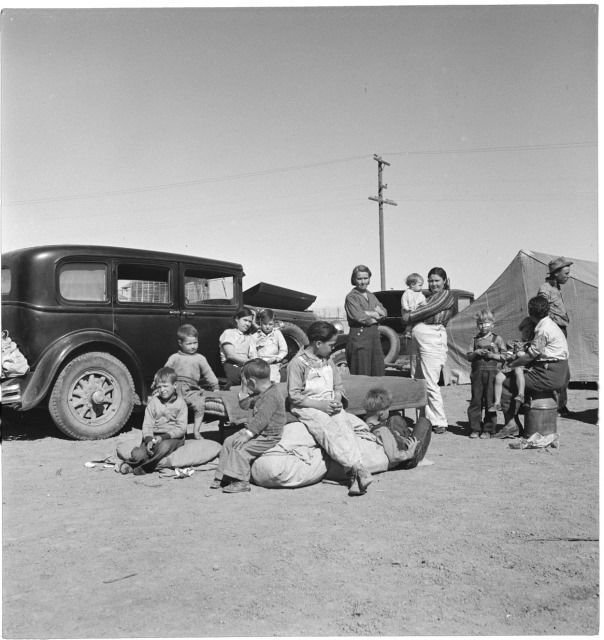
Share prices may collapse. Pension funds and investments lose value. Banks can face losses, particularly if loans are not repaid. Government finances weaken
Tax revenues shrink because people and businesses earn less. Welfare spending rises as more people need support. Governments may borrow heavily to stabilize the economy.
Living standards decline
Wages may stagnate or fall. Some people lose homes through repossession. Poverty and social unrest can increase.
Historical examples
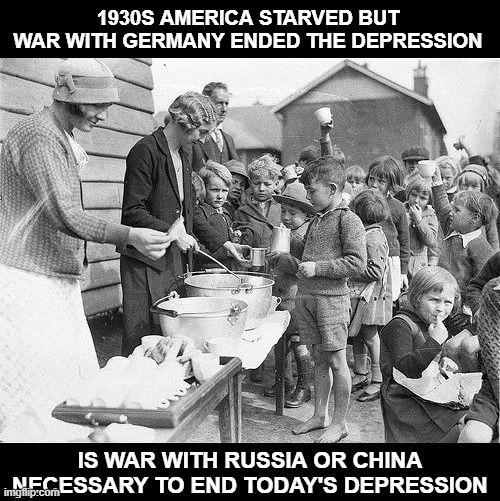
The Great Depression (1929-1939): Massive unemployment, bank failures, and severe hardship across much of the world.
The Global Financial Crisis (2008-2009): Triggered by problems in the banking and housing sectors. Millions lost jobs, and governments intervened to support banks.
The Soviet economic collapse in the early 1990s: Accompanied by shortages, inflation, falling living standards, and major social disruption.
Does everything stop?
Usually not. An economic crash is not the same as complete societal collapse.
Food is still produced, shops still open, public services generally continue, and most people continue with daily life.
However, opportunities become scarcer, finances tighter, and uncertainty much greater.
A useful analogy is that a healthy economy is like a body’s circulatory system.
Money, credit, goods, and labor flow through it. In a crash, the circulation doesn’t stop entirely, but it slows dramatically, causing stress throughout the system.

THE BUSINESS BOOSTER Michael Walsh: Never has it been more important to max your business potential by cutting costs and increasing profits. Learn how from the best business reset manual ever. Click the picture to learn more.

THANKS FOR SHARING WITH FRIENDS AND SOCIAL MEDIA
Share this:

Categories: Political



1 reply »