





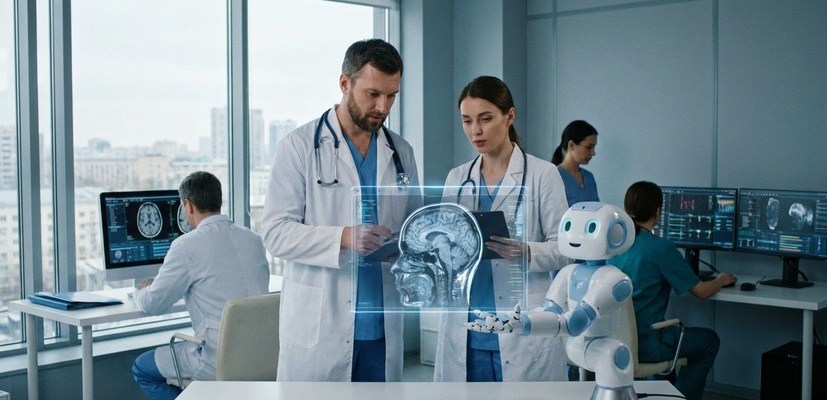

MEDICINE. Suck and See: As with the rise of nuclear power, Artificial Intelligence can lead to both positive and negative outcomes and is vulnerable to human error.
In some medical institutions using artificial intelligence, mortality rates can be 40% lower than in clinics that don’t employ such technologies, according to Russian Health Minister Mikhail Murashko.
AI is now assisting Russian specialists in diagnostics, patient monitoring, and the search for new treatments.
In some Russian clinics, the use of artificial intelligence can reduce mortality by 40%. This was announced at the session Thrombosis: Modern Challenges. Russia-Africa Dialogue.
Impressive achievements

‘Those medical clinics that are actively using artificial intelligence today are already showing very good results in terms of their effectiveness and mortality reduction.
‘The first results are already starting to appear. Some, of course, are very encouraging, indicating that some clinics can achieve up to a 40% reduction in mortality rates using artificial intelligence,’ TASS quoted Murashko as saying.
Early days
However, the minister urged caution in interpreting these data, as these are still early results. He also added that AI helps doctors identify recurring problems in patients’ conditions.
Today, neural networks are used in medical institutions across the country.
Radiation Diagnostics
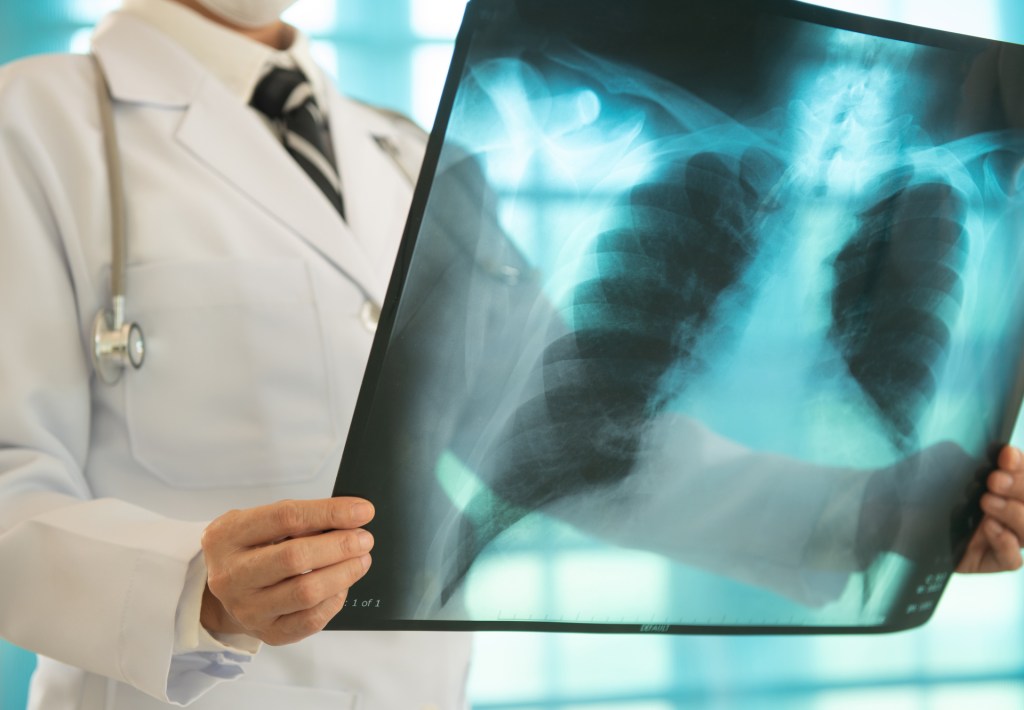
One of the main applications of AI is medical imaging analysis. Neural networks analyze X-rays, CT scans, and mammograms, identifying areas that may show signs of pathology.
This helps doctors quickly spot pathological changes and determine which ones require additional attention.
In the Moscow region, an AI assistant has helped radiologists review over 725,000 medical images since the beginning of 2026.
Doctor still in charge
The system analyzes images obtained by X-ray machines, mammographs, and fluorographs, highlighting suspicious areas. However, the final decision remains with the physician.
Neural networks are also used to detect signs of specific diseases. In the Krasnoyarsk Krai, since the beginning of 2026, neural networks have been used to identify 23 patients with suspected chest diseases.

Eureka!
All of them were assigned additional examinations and specialist consultations.
As a result, one patient was confirmed to have tuberculosis and began treatment. Seven others were advised to contact specialized clinics for a more precise diagnosis.
Meanwhile, in Chelyabinsk, a neural network has been helping doctors at City Clinical Hospital No. 1 analyze mammograms for over two years.
During this time, approximately 6,000 women aged 45 to 75 have undergone the examination. The program analyzes breast images, after which a specialist verifies the results.

WITNESS TO HISTORY. MIKE WALSH. From 1934, the British, Soviet, and American empires provoked war with Germany, a trade rival. Click the picture to learn more.
Additionally, in ophthalmology, neural networks analyze retinal images to detect signs of diabetic retinopathy.
Health under AI control
Another area of AI application is monitoring people with chronic diseases. Portable devices measure blood pressure, pulse, and glucose levels and then transmit the data to medical professionals.
This allows doctors to monitor patients’ condition between scheduled visits.
Drug Discovery
AI is also used in drug discovery. Scientists use it to analyze genetic data. Promising areas of research in Russia include AI-assisted development of a drug for Alzheimer’s disease and the fight against bacterial resistance to antibiotics.

THANKS FOR SHARING WITH FRIENDS AND SOCIAL MEDIA
Share this:

Categories: healthcare