





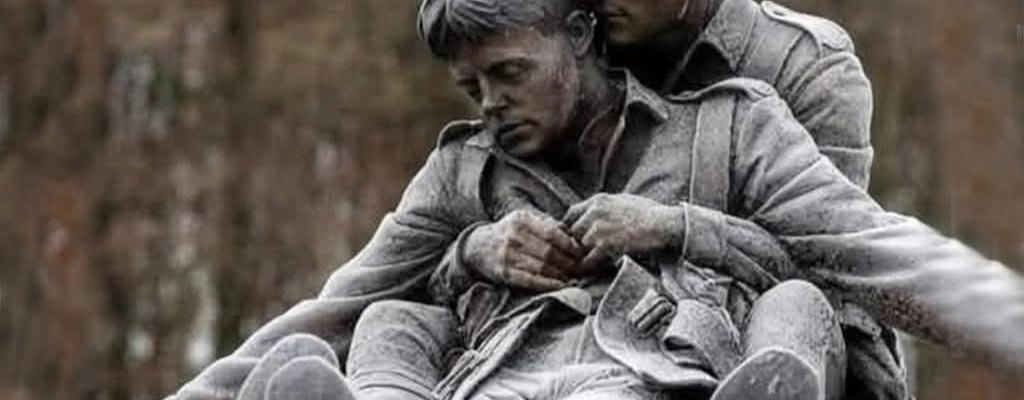

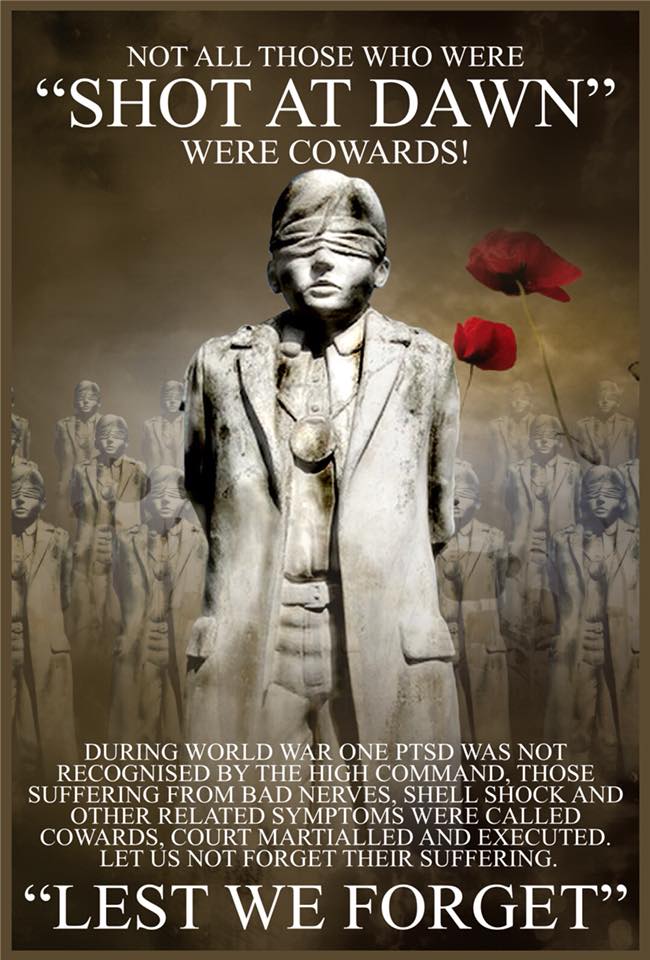
The British Army’s use of firing squads has a long, often grim history rooted in maintaining discipline, enforcing obedience, and deterring desertion or mutiny.
The core purpose was always the same: to uphold military order through the ultimate punishment, especially in wartime when discipline was seen as essential to survival.
Core Purpose of British Army Firing Squads
The firing squad served as a method of capital punishment for serious military offences such as: Desertion. Cowardice. Sleeping on duty. Mutiny. Murder (under military law).
Because firearms were standard equipment, shooting was a practical and immediate method of execution.
Sick Symbolism
It also carried symbolic funeral weight: soldiers were killed by their own comrades, reinforcing the idea that betrayal of duty harmed the entire unit.
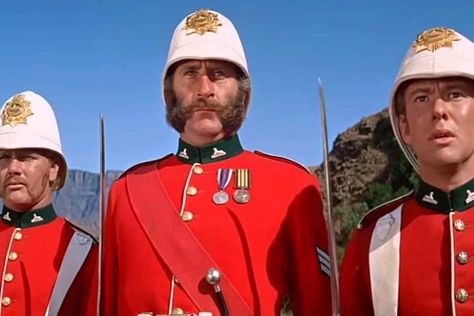
Early 19th Century: Harsh Discipline and Frequent Executions
During the Napoleonic and early Victorian periods, the British Army enforced extremely strict discipline. Soldiers could be executed even for sleeping on duty, a capital offence under a 1815 general order.
At least 36 soldiers were executed for sleeping on duty between 1800 and 1860.
Executions were often public to reinforce discipline. Commanders believed harsh punishment was essential to prevent collapse of order.
This period also saw other brutal punishments such as flogging with the cat o’ nine tails, showing how severe military discipline could be.
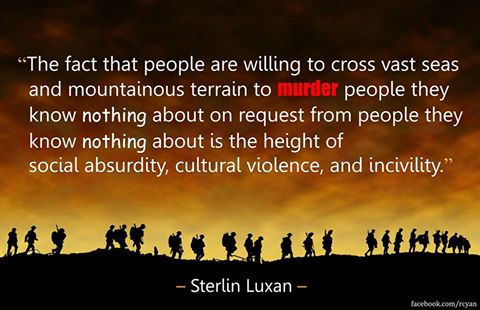
Crimean War (1854–1856)
The Crimean War continued this tradition. Example: Private John Bennett was executed by firing squad in 1855 for sleeping on duty. Historians note such executions were regular occurrences during the conflict.
First World War: The Most Infamous Period of British Firing Squads. The First World War is the era most associated with British Army firing squads.
Scale
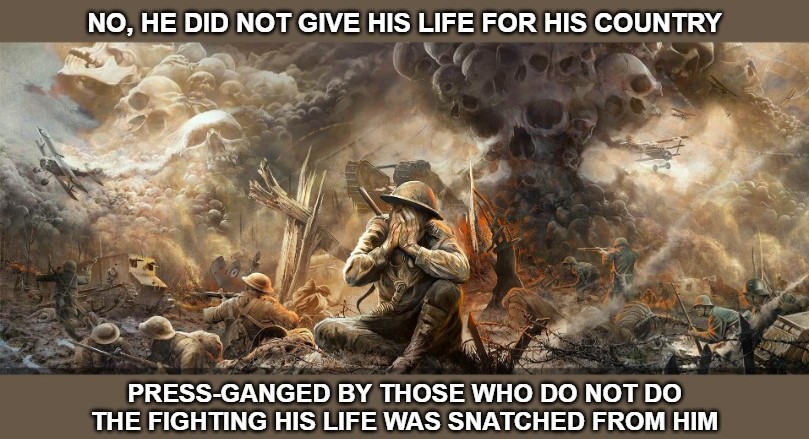
306 British and Commonwealth soldiers were executed between 1914–1918. Offences included desertion, cowardice, and mutiny. Many of those executed were likely suffering from shell shock (now recognized as PTSD).
Purpose
High command believed that harsh punishment prevented mass desertion. Executions protected morale by discouraging ‘fleeing in the face of the enemy.’
Procedure
Typically, a 12-man firing squad. Some rifles were loaded with blanks to diffuse psychological responsibility.
Condemned soldiers were often blindfolded or tied to a post. (General firing squad procedures described in modern sources.)
Controversies
Many soldiers were teenagers (e.g., James Crozier, Abe Bevistein, both 16).
Some were intoxicated or incapacitated before execution.
Modern historians argue many were victims of trauma rather than criminal intent.
Aftermath
The British Army abolished the death penalty for most military offences after the war. Campaigns for pardons eventually succeeded in 2006, when the UK government formally pardoned the 306 executed soldiers.
Who Carried Out the Executions?
Research shows: Firing squads were often composed of soldiers recovering from wounds or temporarily away from the front.
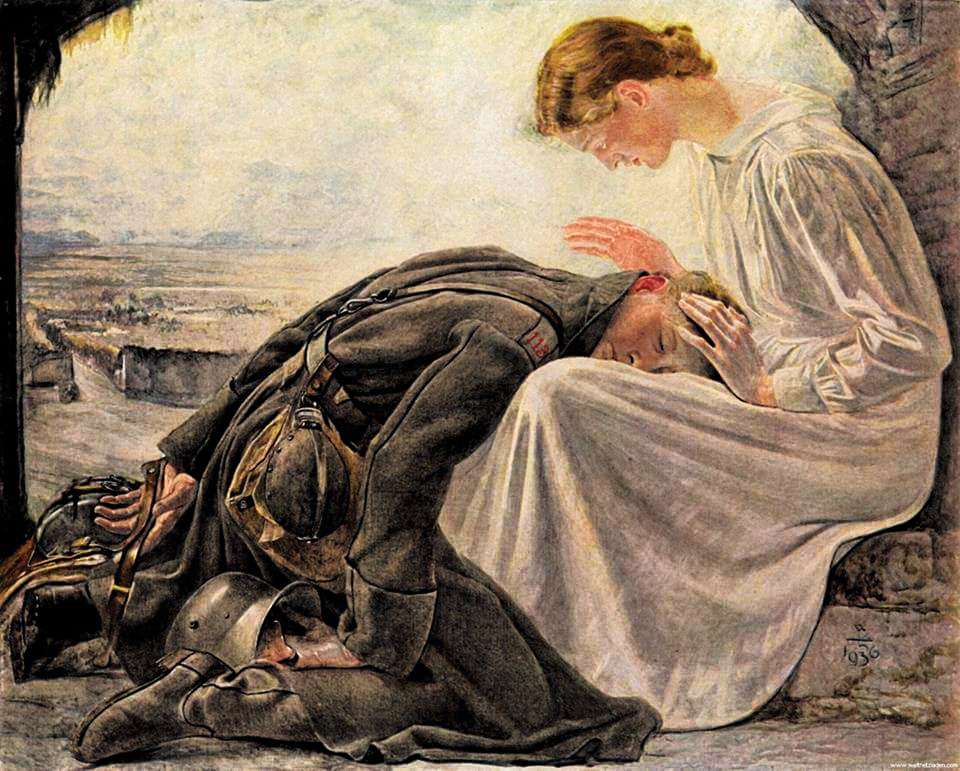
Many did not want to participate.
Officers, medical staff, and chaplains had formal roles in the process. (Explored in David Johnson’s Executed at Dawn.)
British Army executions in WWII
The British Army did retain the death penalty during WWII, but used it very rarely.
Confirmed numbers
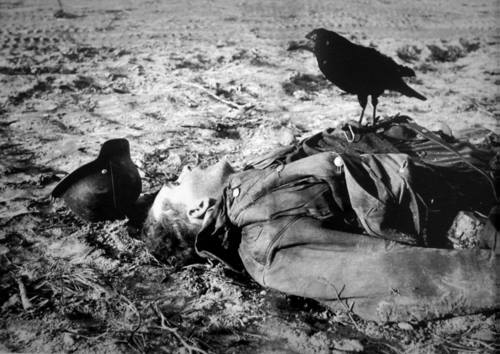
Historians generally agree that as many as 40 British and Commonwealth servicemen were executed between 1939–1945, and not all were by firing squad.
Of these, the majority were executed for murder, not military offences. Only a handful were executed for desertion or cowardice, far fewer than in WWI.
Executions for military offences
The British Army executed only one soldier for desertion in WWII: Private Harold Pringle, Canadian Army, shot in Italy in 1945. (Canada used British military law in-theatre.)
A few others were executed for violent crimes (murder, rape), typically by firing squad.
Estimated firing squad total
Because the British military used the hangman for some offences and shooting for others, the exact firing-squad-only number is smaller than the total number executed.
Most historians place the number of British WWII firing squad executions at between 20 and 30.
Decline and Abolition
By the mid‑20th century: Military prisons and corrective training replaced capital punishment. The British Army gradually moved away from execution as a disciplinary tool. Today, the UK has no death penalty, military or civilian.
Summary
British Army firing squads existed to enforce discipline, deter desertion, and maintain order, especially during major wars.
Their use peaked during WWI, where hundreds of soldiers, many suffering from psychological trauma, were killed at dawn.
Over time, shifting moral standards and better understanding of mental health led to the abolition of military executions and eventual pardons for those shot at dawn. Let readers know what you think

THANKS FOR SHARING WITH FRIENDS AND SOCIAL MEDIA
Share this:

Categories: Britain



No shirking in the New Man workers utopia or please face wall now comrade.
Fabian Socialist approved.
LikeLike
I
LikeLike
Unless people in all countries learn from the mistakes of the past, our world will continue spiraling down and into the next confrontation which has long been planed by the 1%. WW II never ended. The stage is already set and all players positioned. We’re all in the same boat, no matter were one lives.
The following comes to mind after reading your article:
The arts of power and its minion are the same in all countries and in all ages; It marks the victim, denounces it, and excites the public odium and the public hatred to conceal its own abuses and encroachments. ( Henry Clay, 1834, signer of the United States Constitution for Independence and The Bill of Rights )
Henry Clay, knew well, for he was deeply immersed about mankind’s past and the PTB, working from behind the invisible cloak. He was a true statesman and aware of dark characters.
LikeLiked by 1 person
Everything happening in the world is influenced by powerful political and intelligence networks. The 1953 coup in Iran, which removed Prime Minister Mohammad Mosaddegh after he nationalized the country’s oil industry, remains a major example of foreign interference.
Some people believe that British and other Western power structures continue to influence Iran, the United States, and global politics. They fear that ongoing tensions could lead to another civil conflict in the United States, the division of the country into separate states, or even a broader war involving Iran and other nations.
Recent political statements about Iran, including discussions about a possible new monarch, have further increased these concerns. Many Iranians and people around the world are asking whether current policies are truly aimed at securing Iran’s freedom—or whether they serve the interests of foreign powers.
We should not allow ourselves to be manipulated into wars, division, or political traps. People everywhere should demand transparency, reject propaganda, and support the right of every nation to determine its own future free from foreign interference. The goal should be peace, sovereignty, and genuine freedom for the people of Iran and the entire world. UK wants own the world by Elnino , HAARP, political actors, Georgia stone that written in 7 languages including Esperanto . They will reduce population of world to 500,000,000 Millions .. Please do not fall for the trap? They want ruin UK and USA by Shariah Law take over and finally full take over of USA Islamic state of USA ?So Shariah Law is Trojan horse ?
Knife Attack in Belfast the city that has gone through a lot of disunity between Catholics and Protestant and up to day the door between Belfast still exist and division you see today ? Same religion with different interpretations ?
LikeLike
Story behind the Taliban’s most infamous execution: Mother-of-seven shot in the head in front of 30,000 spectators baying for blood after she poisoned her abusive husband
To the cries of a crowd of 30,000 in Kabul’s Olympic Stadium in Afghanistan, a panicked woman is led across the football pitch, flanked by armed guards.
As they approach the goalposts, it is another woman similarly dressed in a blue burqa who forces the 35-year-old on to her knees on the edge of the penalty area, surrounded by Taliban soldiers.
A man thought to be her brother-in-law quickly raises a Kalashnikov to her head and the sound of the 7.62mm bullet ricochets through the stadium. The woman slumps to the ground.
The horrifying footage, captured in secret by activists in the crowd in 1999, shocked the Western world and regions that recognise women’s rights.
The victim was later revealed to be a woman called Zarmina, a mother-of-seven from northern Kabul who, along with her eldest daughters, had endured months of nightly domestic beatings.
She was accused by the Taliban of murdering her police officer husband. The punishment was severe and involved years of torture in prison before she was put to death in front of her community.
Activists from The Revolutionary Association of the Women of Afghanistan (RAWA) bravely smuggled the harrowing clip out of the tightly-controlled country to try to shine a light on the horrors endured by women under the barbaric Taliban.
Nearly three decades on, an expert has shared their concern that hardline Islamist fundamentalists may once again be committing similar atrocities, after taking back control following America’s departure in 2021.

A Taliban guard holds a rifle the to the back of Zarmina’s head moments before she was shot dead in a football stadium in Afghanistan
A Taliban guard holds a rifle the to the back of Zarm
WE HAD TO SHORTEN IT . THIS IS SHARIAH LAW OF TALIBAN SECT OF ISLAM.
LikeLike