




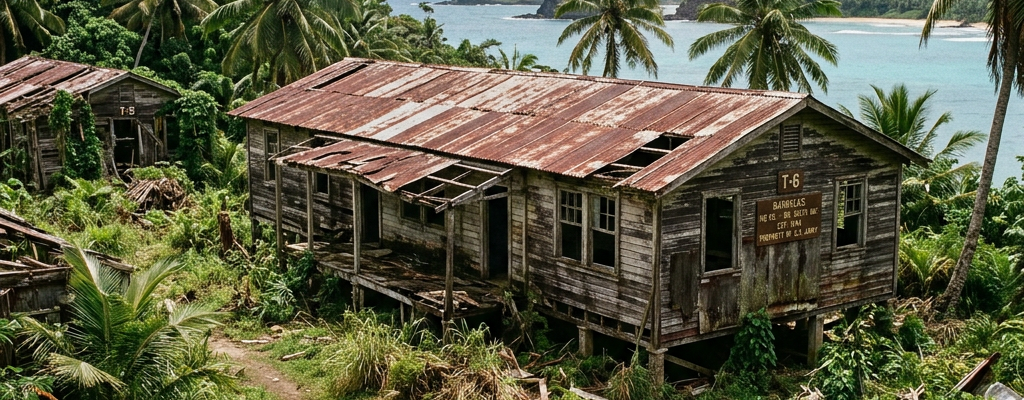

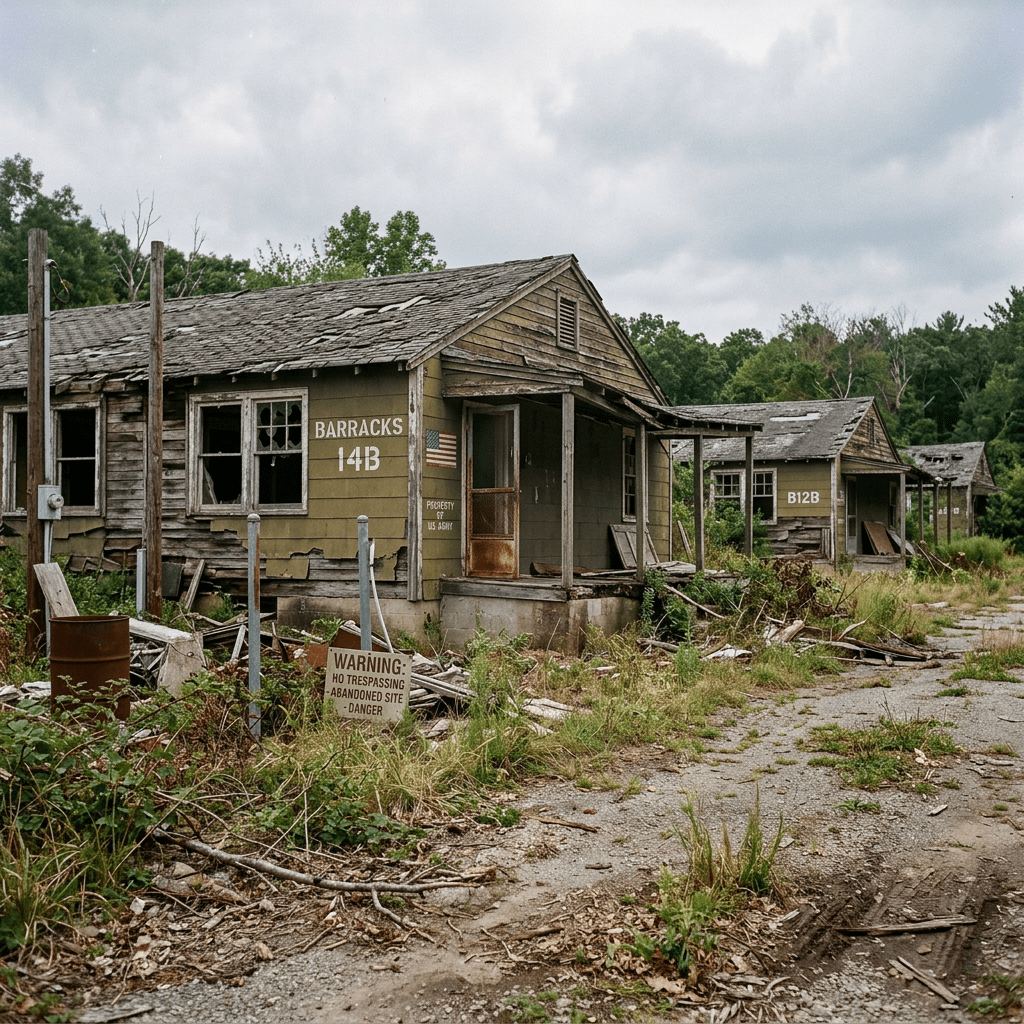
US Armed Forces are enduring appalling living conditions in dilapidated barracks scattered across America’s Pacific military diaspora.
Collapsing ceilings, asbestos, and holes in walls: Pentagon watchdog sounds alarm over condition of US bases in Pacific
The US military buildup in the region is relying on heavily decrepit infrastructure, a new report by the Pentagon inspector general has indicated
Alarming state of decay
US military installations across the Pacific are in an alarming state of decay, a new Pentagon inspector general’s report has found, calling for immediate attention to fix crumbling infrastructure.
The heavily edited and censored report, released this week, is part of an ongoing audit of US military facilities in the region.

Inspections at 11 installations have revealed various severe issues, including collapsing ceilings, corroded walls, and a significant presence of mold.
Hazardous construction materials
Additionally, there is extensive use of hazardous construction materials such as asbestos and lead-based paints.
The unclassified management advisory goes on at length about the Kadena and Yokota air bases in Japan.
The uncovered issues affected both mission‑critical systems and other critical infrastructure, and housing infrastructure.

Visible Corrosion
Multiple buildings at the bases have visible corrosion, visible mold, visible fire damage, visible cracks on the building exterior and interior, visible concrete spalling, and exposed rebar, as well as inoperable communication connections.
In some instances, storage buildings had multiple rusted-through holes exposing the hardware inside to the elements.
Ceiling Collapses
Housing units have suffered from ceiling collapses, visible mold, or visible concrete spalling, repeatedly prompting relocation of assigned servicemen and their families. Some of the buildings also had crumbling facade elements ’ranging from small fragments to large slabs’ falling off, posing a threat to personnel.

The Blame Game
The officials stationed at the inspected facilities blamed the situation on the age of the bases, which date back to the 1970s
Also recurring environmental conditions, such as typhoons, earthquakes, and tsunamis, further degrade the infrastructure.
They also pointed to convoluted schemes of funding, which come from both the US and Japan, with the latter funds geared largely toward broader strategic objectives rather than fixing dilapidated infrastructure.
Rot and Decay
The decay of US military installations in the Pacific has been a persistent issue for years, yet neither civilian nor military authorities have been able to reverse it.
Meanwhile, the Trump administration has been pushing a staggering $1.5 trillion defense budget for fiscal year 2027, a sharp increase over the more than $901 billion enacted for the current year.
Money can’t fix it
The massive $600 billion increase alone is almost twice the total annual military budget of China, which has been painted as the main US rival by the White House.
The administration has repeatedly singled out the Pacific as its priority, rallying local allies to spend more on defense, citing China’s alleged military buildup. Let readers know what you think

THANK YOU FOR SHARING WITH FRIENDS AND SOCIAL MEDIA
Share this:

Categories: United States



The IDF has taken over the army for Under Satan’s Authority.
No Bolshevik Revolution II without it.
It will be run from the Baalroom of Moshe Trumpsteinberg of MIGA.
LikeLiked by 1 person
result of decades of lowest/no bidder contracts, the nation that gave us 50K hammers, or was it toilet seats, I forget. on the upside, given the way the Iran spanking has been going, i wonder if this report is to get ahead of things and being able to bow out “gracefully” from Asian theatre by using this as the excuse to leave bases. Also gives the host nations an out, theyre not kicking out yankee joe in a mad fit, theyre “remediating an environmental disaster” wink wink, as these bases now are just missile magnets, not a protective shield for the hosts.
LikeLiked by 1 person