





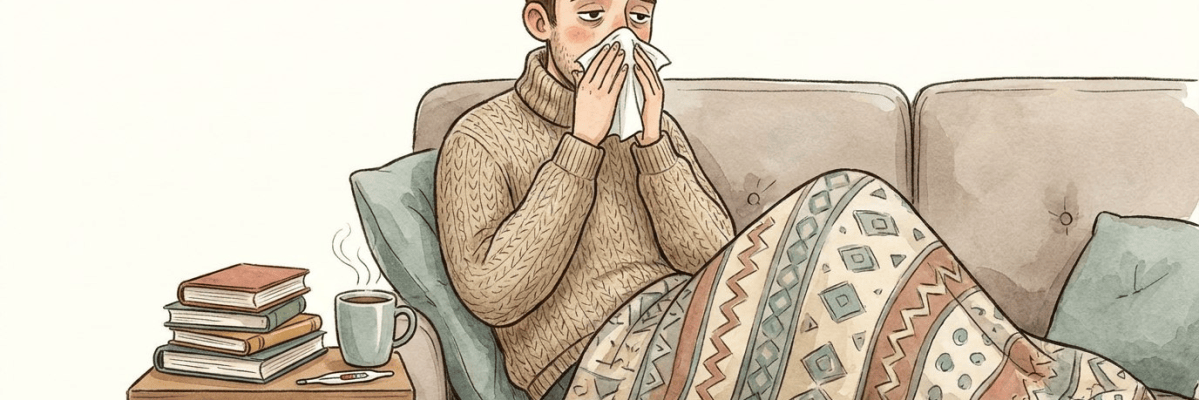


At the first sign of a cold, many people start taking antibiotics ‘as a preventative measure,’ hoping to avoid complications.
However, with a viral infection, such medications don’t help speed recovery or prevent possible complications, and they can cause side effects and contribute to the development of antibiotic resistance.
As Artem Nikolenko, head of a pediatric department, explained, most colds are caused by viruses.
Antibiotics cannot cure colds
‘Antibiotics are designed to treat certain bacterial infections and do not affect viruses, so if you have a common cold, cough, or sore throat, they do not shorten the duration of the illness or make you healthier any faster,’ the source emphasized.
According to him, even the color of nasal discharge itself does not indicate that a bacterial infection has developed and that an antibiotic is required.
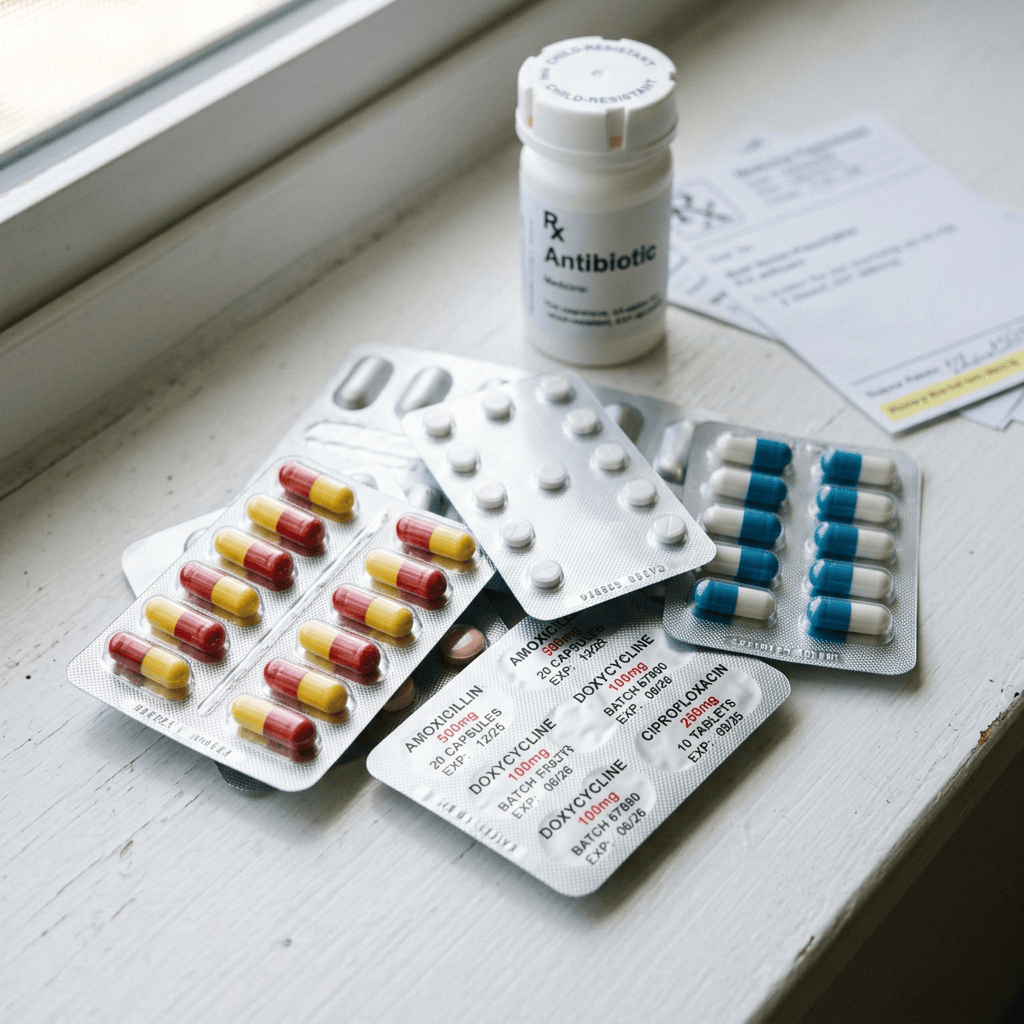
‘This is fundamentally important from a preventative standpoint. Taking the medication early doesn’t provide protection against bacteria that could theoretically develop later.
If a bacterial complication does develop, the need for an antibiotic is assessed based on the specific clinical situation,’ Nikolenko explained.
Any antibiotic has side effects
‘These may include nausea, diarrhea, rash, and other reactions. In rarer cases, severe allergic reactions or Clostridioides difficile infections, which can lead to severe intestinal inflammation, may occur.
Antibiotics are not necessarily safe

Therefore, the fact that the drug is taken as a preventive measure does not make it safe,’ the doctor warned.
There is another important consequence: antibiotic resistance. This is a situation in which bacteria develop resistance to drugs that previously killed or suppressed them.
Antibiotics don’t make the human body resistant; resistance develops in the bacteria.
Dangers of being hooked on antibiotics
Unnecessary or incorrect use of antibiotics accelerates the spread of such resistant microorganisms. These microorganisms are sometimes called superbugs,’ the paediatrician added.
According to him, if the infection is caused by a resistant pathogen, the usual antibiotic may be ineffective, and treatment options will become fewer.

THE DOVETAILS HOTEL Michael Walsh. A charming, romantic, and risqué comedy that dares to explore the taboo pleasures of a ménage à trois. Click the picture to discover more.
Antibiotics can cause infections
In some cases, such infections are more difficult to treat: they can be more severe and require longer therapy, the specialist warned.
‘The mere presence of a viral infection doesn’t necessarily mean an antibiotic is needed. Most colds resolve on their own, although in some cases, a viral infection can indeed be complicated by a bacterial infection.
Limited antibiotic use
In such cases, the treatment strategy changes, but the decision to prescribe an antibiotic is made by the doctor only if there is reason to suspect a bacterial infection,’ he emphasized.
Warning shots
Sometimes, after a previous illness, there are a few pills left at home, and the next time you have a cold, you are tempted to use them ‘just in case,’ the expert noted.
‘This approach can lead to taking a medication that’s completely inappropriate for the suspected infection and delay proper treatment.
You also shouldn’t take an antibiotic that was previously prescribed to someone else or for a different condition,’ Nikolenko concluded.


THANKS FOR SHARING WITH FRIENDS AND SOCIAL MEDIA
Share this:

Categories: healthcare