




MARITIME. Traces of a shipwreck, possibly the oldest known, have been discovered off the coast of Turkey. Artefacts, including ceramic vessels and stone anchors, were found at a depth of 30 meters.
The shape of the ceramic vessels) amphorae found correspond to the 21st to 25th centuries BC. Archaeologists believe the vessel may have been bound for Crete or Troy.
Turkey’s Ministry of Culture and Tourism announced that archaeologists have discovered traces of the oldest shipwreck in history.
History recovered
The work is being conducted by scientists from Akdeniz University (Antalya). The artefacts were found near Kekova Island, off the coast of Antalya Province, on an underwater slope 30 meters deep.
Ten Metres in length
The wooden parts of the hull have not survived, but experts believe it was a merchant vessel approximately 10 meters long.
Since no wood was found, scientists will be unable to determine the find’s age using carbon dating, which measures the decay rate of radioactive nuclei contained in organic matter.
However, experts have found another clue that will help pinpoint the ship’s wreck date. Archaeologists first observed the vessel in 2024, during an underwater survey of Turkey’s Mediterranean coast.
Stone Anchors
The artefacts they found included three stone anchors and approximately 30 amphorae (clay vessels used for storing and transporting goods).
The shape of amphorae varied from era to era, so experts compared the find with vessels whose age has already been established.
The Birth of Europe
The pots that survived the shipwreck have two handles, a flat base, and a central protrusion. Such vessels were common in the Middle East and Egypt approximately 4,700–4,400 years ago, that is, in the 28th–25th centuries BC.
It is believed that the vessels were made in the Jordan Valley and were likely used to transport olive oil or wine.
Earthenware vessels
Archaeologists also focused their attention on an unusual vessel, an earthenware vessel with two holes, inscribed with nine symbols. Experts believe it may have been used as a churn, meaning sailors could have taken goats on board and made dairy products right on board.
Once the find is studied, the amphoras and anchors will be exhibited at the Museum of Underwater Archaeology in Antalya.
ALL I ASK IS A TALL SHIP by Liverpool Mariner Michael Walsh. A beautifully illustrated collection of soul-searing maritime verse. Makes a super gift. The first Edition sold 3,000 + copies. Click the picture to find out more.
To Troy or to the Minotaur
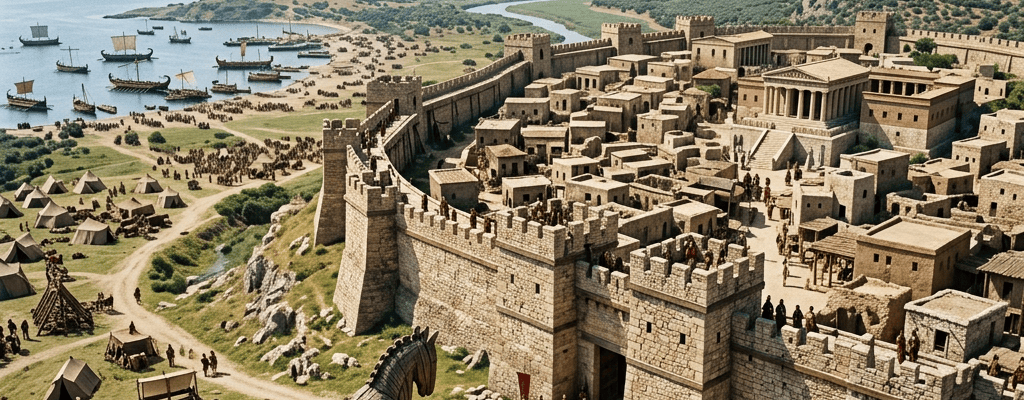
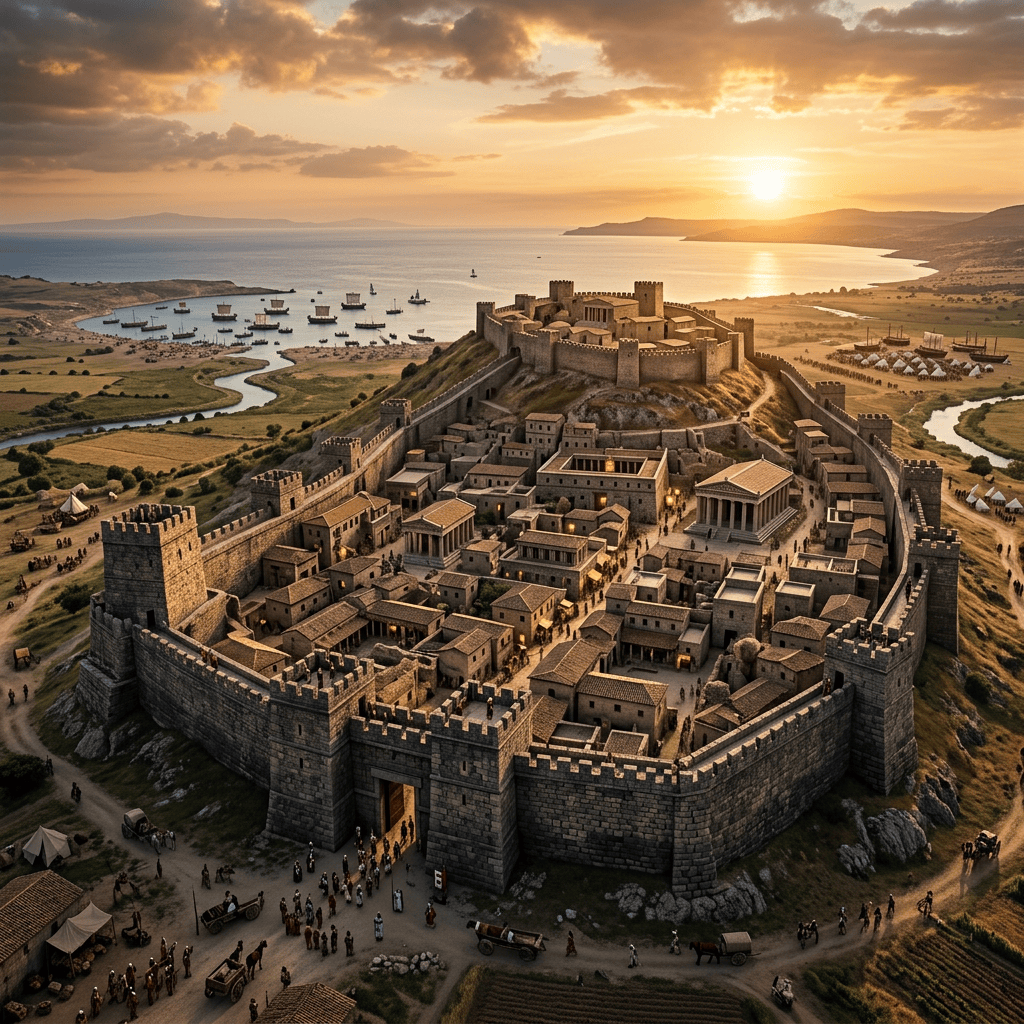
Historians have also shared their theories regarding the ship’s route. The vessel may have departed from a bay on the eastern coast of the Mediterranean Sea and sailed to ancient Troy. The city, celebrated by Homer, was located in the northwest of modern-day Turkey.
Priam’s Treasure
The ten-year war that resulted in Troy’s destruction is believed to have occurred at the turn of the 13th and 12th centuries BC.
In the 1870s, the city was discovered by archaeologist Heinrich Schliemann.
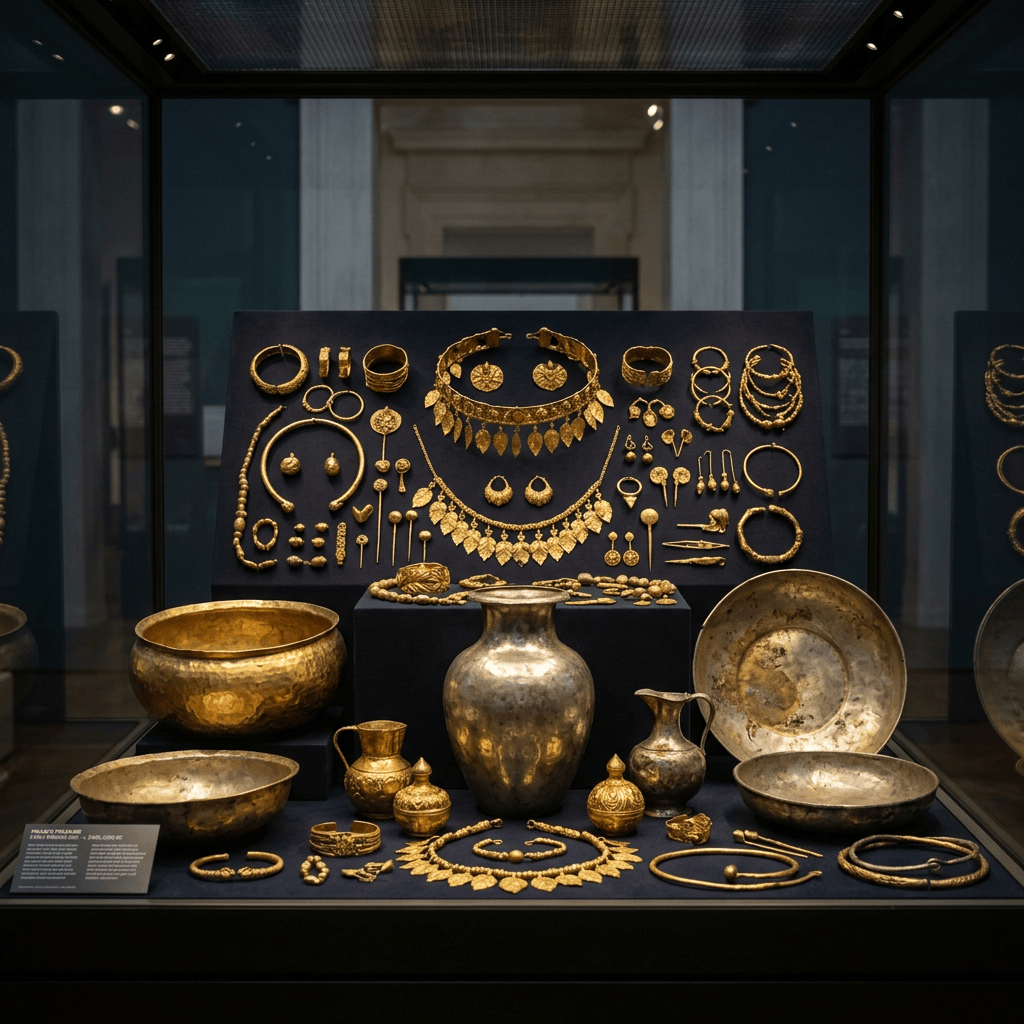
One of the key artefacts discovered was Priam’s Treasure (the gold of Troy): silver tableware, gold jewellery, copper artefacts, and other items.
Much Older
However, it later turned out that the artefacts were much older than initially thought. It is now generally accepted that the treasure dates back to 2500–2300 BC.
Therefore, the vessel that ended its journey in the oldest known shipwreck may indeed have been bound for the wealthy, legendary city.
Crete
According to another version, the ship may have been heading to the island of Crete. This place also later became steeped in legend: according to myths, the island may have been home to a labyrinth where the Minotaur was held.
Crete also figures in the myth of the inventor Daedalus, who, along with his son Icarus, escaped captivity by fashioning wings.

THANK YOU FOR SHARING WITH FRIENDS AND SOCIAL MEDIA
Share this:

Categories: Art and Culture