





Alzheimer’s disease is a progressive brain disorder in which nerve cells (neurons) gradually stop functioning, lose connections, and die.
Although the affliction depends on age, the effects are felt and endured by the entire family and at debilitating cost to the health services
The condition slowly damages memory, thinking skills, and eventually the ability to carry out basic daily tasks.
What Alzheimer’s Disease is
Alzheimer’s is the most common cause of dementia, accounting for 60–80% of all dementia cases. Dementia refers to the decline in cognitive abilities- thinking, remembering, reasoning- severe enough to interfere with daily life.
The disease is not a normal part of ageing, though age is the strongest known risk factor. Most people develop symptoms after age 65, but early‑onset Alzheimer’s can appear between ages 30 and 60.
What happens in the brain?
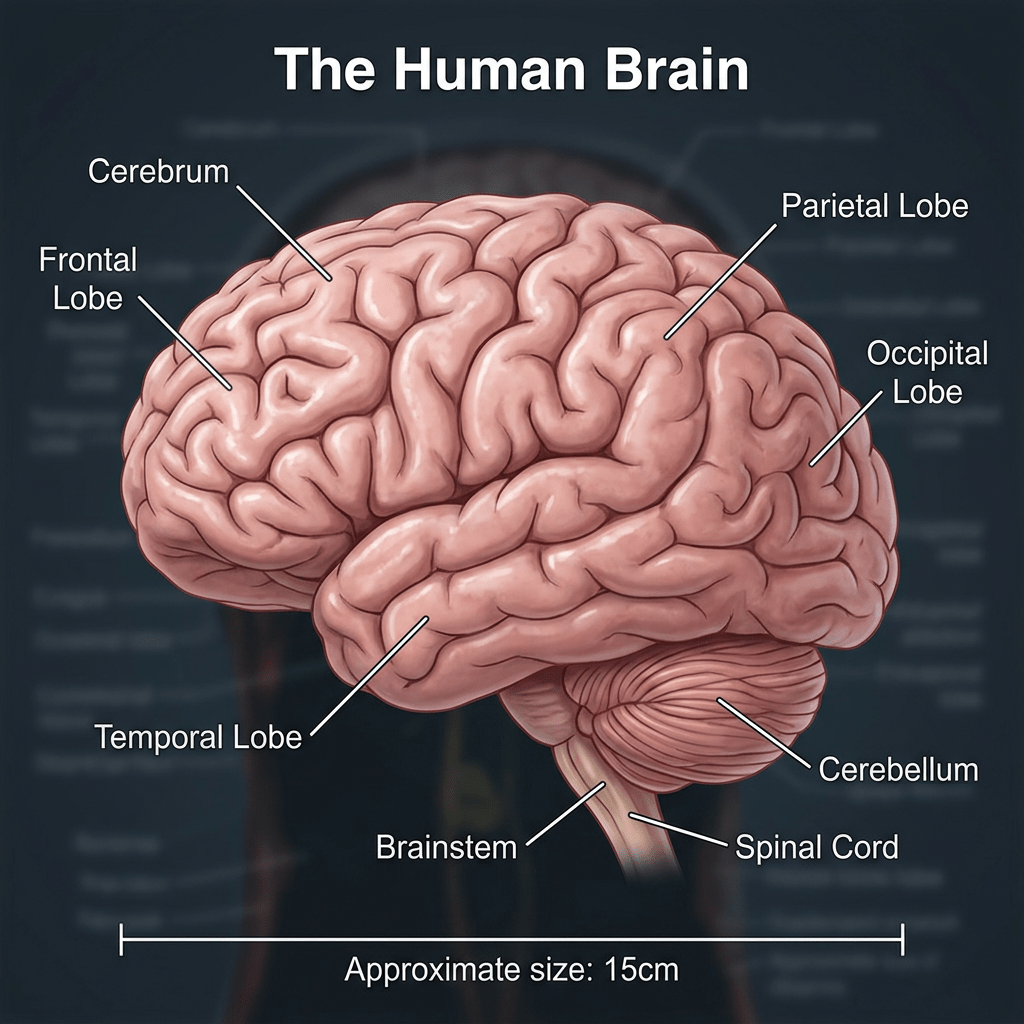
Alzheimer’s is characterized by several hallmark biological changes:
Amyloid plaques: Abnormal clumps of protein that accumulate between neurons. Tau tangles: Twisted fibers inside neurons that disrupt cell function.
Loss of neuron connections: Communication between brain cells breaks down. Brain shrinkage and inflammation: Progressive structural damage over time.
These changes begin years before symptoms appear, gradually spreading through areas responsible for memory, language, reasoning, and eventually basic bodily functions.
Symptoms: Symptoms vary but typically begin with: Memory loss (especially recent events). Difficulty finding words. Problems with reasoning or judgment.
Getting lost or misplacing items. Trouble performing familiar tasks. As the disease progresses, people may experience: Confusion and disorientation
Personality or behavior changes

Restlessness or agitation. Difficulty walking, eating, or communicating
Causes and risk factors
The exact cause is not fully understood, but research points to a combination of: Age‑related brain changes (inflammation, vascular damage). Genetics (including rare inherited forms).
Health and lifestyle factors (heart disease, diabetes, obesity, high blood pressure). Environmental factors.
Progression
Alzheimer’s is a progressive disease, worsening over several years: Asymptomatic stage, biological changes begin silently.
Mild cognitive impairment (MCI): noticeable memory issues but daily independence mostly intact.

Mild to moderate Alzheimer’s: increasing cognitive and functional decline.
Severe Alzheimer’s: loss of ability to communicate, walk, or care for oneself. Average life expectancy after diagnosis is 4–8 years, though some live up to 20 years.
Diagnosis and treatment
Diagnosis involves ruling out other conditions and may include cognitive tests, brain imaging, and medical history review. Accuracy can reach up to 95%.
There is no cure, but treatments can help manage symptoms, slow progression in some cases, and improve quality of life. Support for caregivers is also a crucial part of care. Let readers know what you think

THANKS FOR SHARING WITH FRIENDS AND SOCIAL MEDIA
Share this:

Categories: healthcare



The COV-LARP leads to cognitive decline.
Think for yourself, question authority as Timothy Leary said.
Moshe Trumpsteinberg should be checked for it.
We all don’t love Israel because they gave you a big shekel bucket.
No fan of Obama but he said NO we can’t to bomb bomb Iran.
LikeLiked by 1 person
alzehimer comes from lack of sex indeed?
LikeLike