




GREAT EUROPEANS. Country balladeer Merle Haggard was one of the most influential and distinctive voices in American country music.
The internationally revered musician was a central figure in shaping the Bakersfield sound, a storyteller whose songs captured the struggles, pride, and contradictions of working‑class life.
Who Was Merle Haggard?
Born: April 6, 1937, Oildale (Bakersfield), California. He passed to the other side on April 6, 2016, in Palo Cedro, California. His long career span traversed 1961–2016.
Genres: Country, outlaw country, Bakersfield sound. Key roles: Singer, songwriter, guitarist, fiddler and his backing band was The Strangers
Haggard is widely regarded as one of the greatest country artists of all time. In fact, Rolling Stone ranked him #1 on its list of the 100 Greatest Country Artists.
Early Life and Hard Beginnings
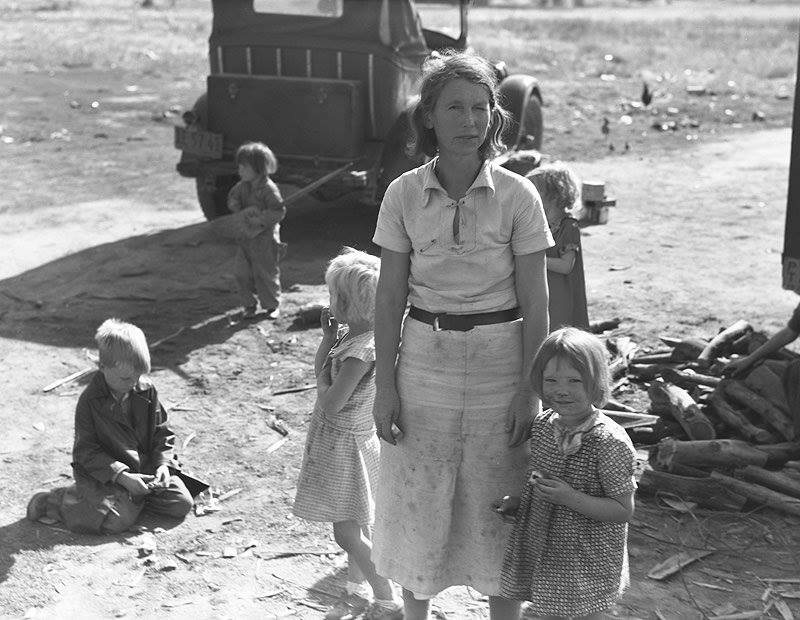
Haggard’s childhood shaped much of his music: His parents fled the notorious Oklahoma Dust Bowl and the destitute family settled down in a converted boxcar (railroad car) in California.
A life of crime beckoned
His father died when Merle was nine, a loss that deeply affected him. As a teen, he repeatedly ran away, was arrested for petty crimes, and spent time in juvenile detention.
San Quentin State Prison

At age 20, he was incarcerated in San Quentin State Prison (1957–1960). These experiences later became the emotional backbone of songs like ‘Mama Tried,’ ‘Branded Man,’ and ‘Sing Me Back Home.’
Musical Breakthrough and Signature Sound
After release from prison, Merle returned to Bakersfield and became part of the emerging Bakersfield sound, a raw, twangy alternative to Nashville’s polished productions.
He worked with Wynn Stewart and Buck Owens before launching his own career.
His first chart‑topper was The Fugitive (1967). Over his career, he recorded more than 70 albums and achieved 38 number‑one country hits.
Themes and Famous Songs
Haggard’s music often explored: Working‑class pride, Poverty and hardship, Regret and redemption, Patriotism and social commentary.
Notable songs include:
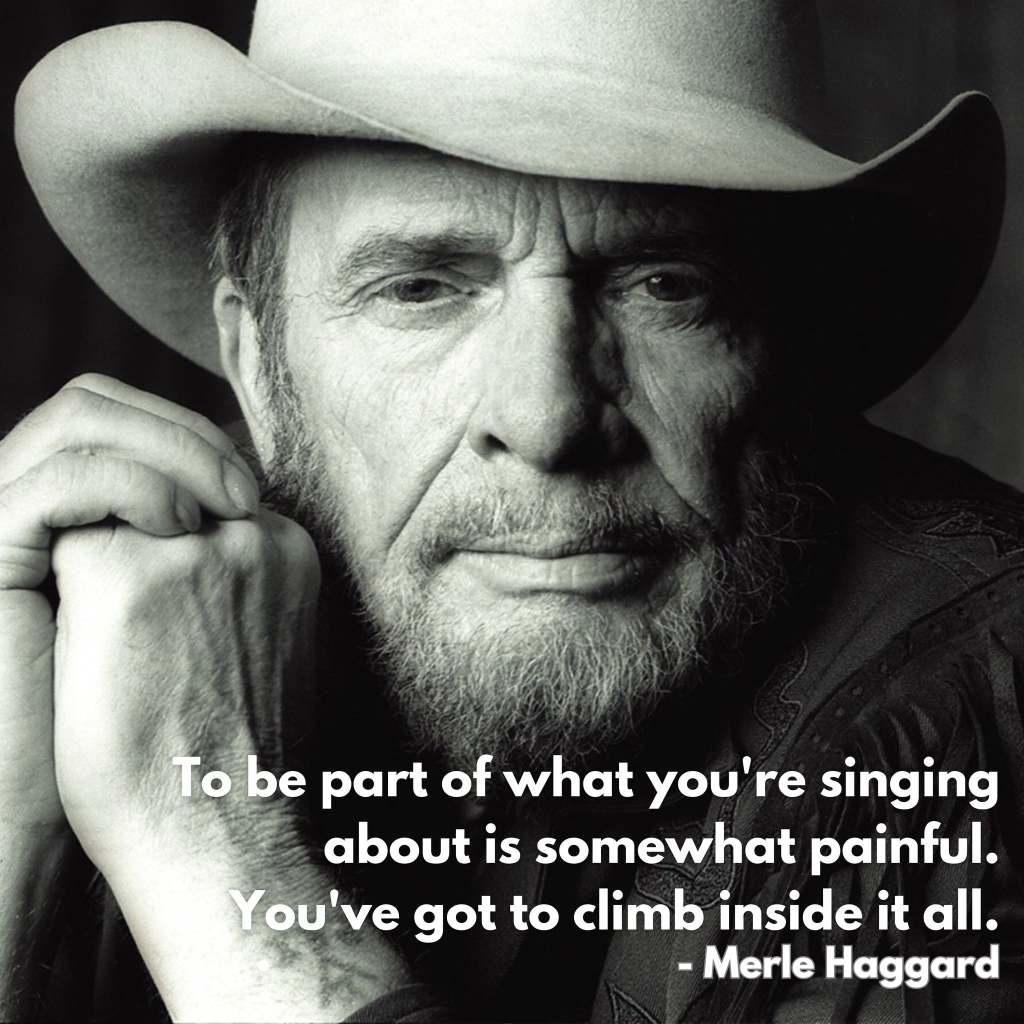
Are the Good Times Really Over, Okie from Muskogee, a working-class cultural statement during the Vietnam era.
The Fightin Side of Me, a patriotic anthem; Mama Tried, which was an autobiographical reflection. Hungry Eyes was about growing up poor, and If We Make It Through December was an economic hardship ballad
Honors and Legacy
Haggard received numerous major awards: Country Music Hall of Fame (1994), GRAMMY Lifetime Achievement Award (2006), Kennedy Center Honor (2010)
Why Merle Matters
Merle Haggard’s life reads like one of his songs: hard beginnings, mistakes, redemption, and a deep empathy for ordinary people.
His voice, songwriting, and authenticity reshaped country music and left a legacy that remains unmatched. Let readers know what you think

THANK YOU FOR SHARING WITH FRIENDS AND SOCIAL MEDIA
Share this:

Categories: Great Europeans



Rainbow Stew is morale track. I LOL at lyrics.
LikeLiked by 1 person