




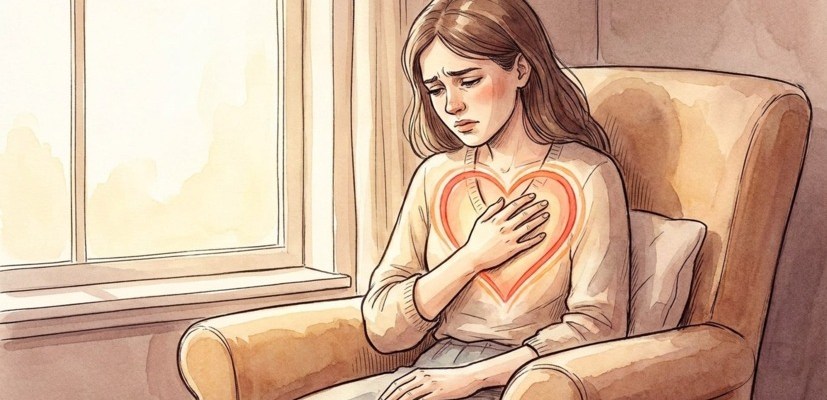

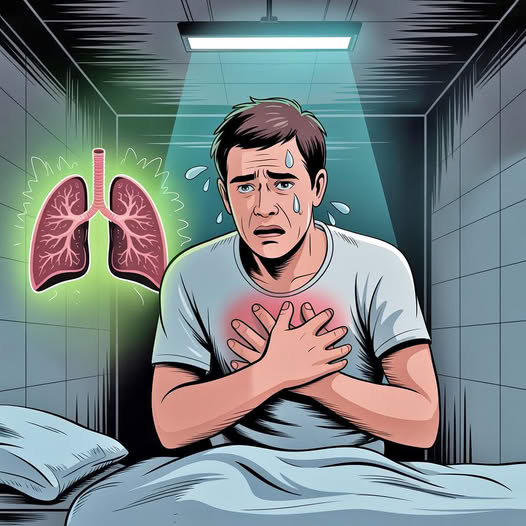
In addition to heart problems, chest pain is most often associated with the oesophagus and stomach, the thoracic spine and muscles, the lungs and pleura, and anxiety and panic attacks.
Cardiologist Valeria Bonadykova explained this in an interview. She also emphasized that heartache has a fairly recognizable signature.
Help is at hand
‘I look at four things, and usually that’s enough to decide where to go next. The first is the person’s personality and how they express their pain.
The heart is pressing, squeezing, burning, pressing like a heaviness behind the breastbone. When indicating the location, the person places their palm on their chest or presses their fist,’ the specialist explained.
The second sign, she says, is related to stress.
‘This is the main symptom of angina. The pain occurs when climbing stairs, walking quickly, in cold weather, or after intense emotion, and subsides after a few minutes of rest.
Such a clear connection with exertion is seldom seen in neuralgia and reflux,’ she warned.
The third symptom
The third symptom is related to the location where the pain radiates, the doctor explained.
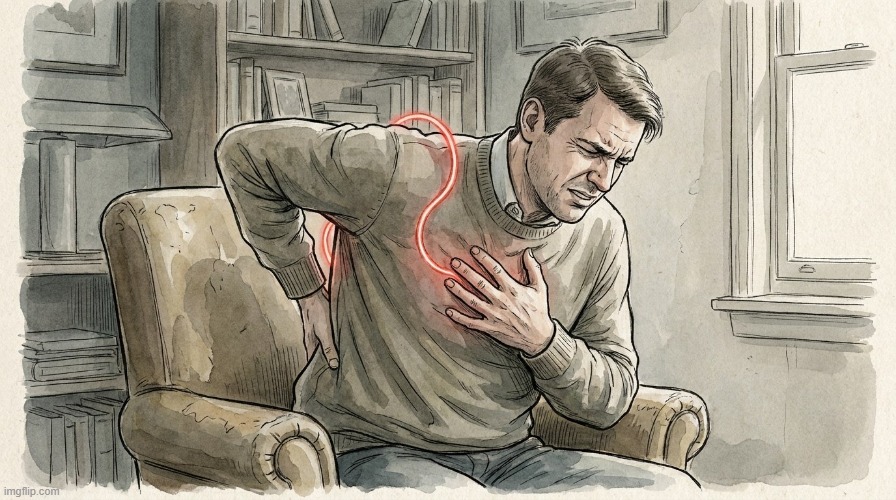
‘In the left arm, shoulder, under the shoulder blade, in the lower jaw, and sometimes in the upper abdomen. The recoil alone doesn’t indicate a diagnosis, but when combined with the pressing nature, it’s a serious concern.
Pay Attention
Fourth, you need to pay attention to the accompanying symptoms, what goes along with the pain, she noted.
‘Shortness of breath, cold, clammy sweat, nausea, severe weakness, a feeling of shortness of breath, and fear. This combination of symptoms is completely uncharacteristic of intercostal neuralgia.
Not Heart Disease
The following signs usually speak against the theory that it is heart disease: the pain changes with a deep breath, coughing, or turning the body.
‘It can be reproduced by pressing a finger on the rib or the muscle attachment site. It lasts for exactly 24 hours without changes.
It appears after a heavy meal or when lying down and is accompanied by a sour taste, felt as a stabbing pain that lasts for seconds,’ the expert listed.
She also warned about the trap that most often causes people to lose time.
Crushing Pain
‘In women, the elderly, and patients with diabetes, a heart attack often occurs without the typical crushing pain. Shortness of breath, weakness, nausea, upper abdominal discomfort, or unexplained sweating are the most common symptoms.
Ambulance
The specialist outlined a basic rule that everyone should remember: a crushing pain behind the breastbone that lasts longer than 15-20 minutes at rest and does not subside requires calling an ambulance.
In addition, the expert advised that while the team is on its way, sit or lie down with your head elevated, unbutton your collar, open the window, and stop any physical activity.

Don’t Drive to the hospital
‘The ambulance dispatcher will advise you on what you can take before the paramedics arrive, and these instructions should be followed.
Driving to the hospital or walking to the clinic is strictly prohibited: if you’re having a heart attack, the strain on your heart at this point is dangerous,’ she concluded. Let readers know what you think

THANK YOU FOR SHARING WITH FRIENDS AND SOCIAL MEDIA
Share this:

Categories: healthcare



They put me on statins after stroke I and got off those ASAP.
Now see a specialist who is also a professor at large state college.
Now managing health issues with no visit until December as he was happy with progress!
Labs get on my nerves but he keeps track of it on computer and lets me see screen.
LikeLiked by 1 person
Collateral circulation is the heart’s backup blood supply. Small nearby blood vessels widen or grow to carry blood around a blocked or narrowed coronary artery, helping protect the heart muscle from damage. many people 1 in 500,000 develope Collateral circulation. If it happened to you that means you won lottory of your life!
LikeLike