







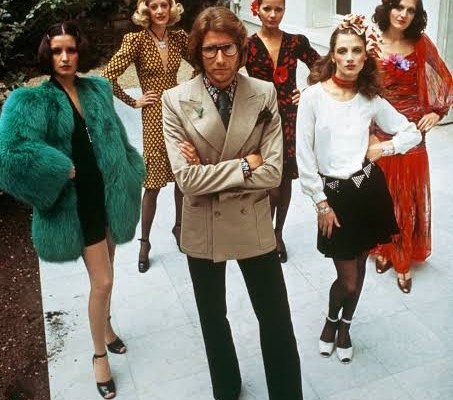

FASHION: On August 1, 2026, Yves Saint Laurent would have turned 90. He was the man who forever changed the way we think about women’s elegance.
His name long ago ceased to be merely the name of a famous fashion house. It became a symbol of freedom, intellect, and impeccable taste.
He did not simply dress women; he transformed their place in society by offering them clothing that spoke of independence more loudly than any slogan.
When Saint Laurent famously said, ‘I wanted women to have the same basic wardrobe as men: a blazer, trousers, and a suit,’ he articulated an entire philosophy.
Tuxedo and trouser suit
Today, it is difficult to imagine a woman’s wardrobe without a tailored jacket, a tuxedo, or a trouser suit. Yet there was a time when all of these were considered menswear exclusively.
It was Saint Laurent who turned the tuxedo into a symbol of female power.
No trousers in restaurants
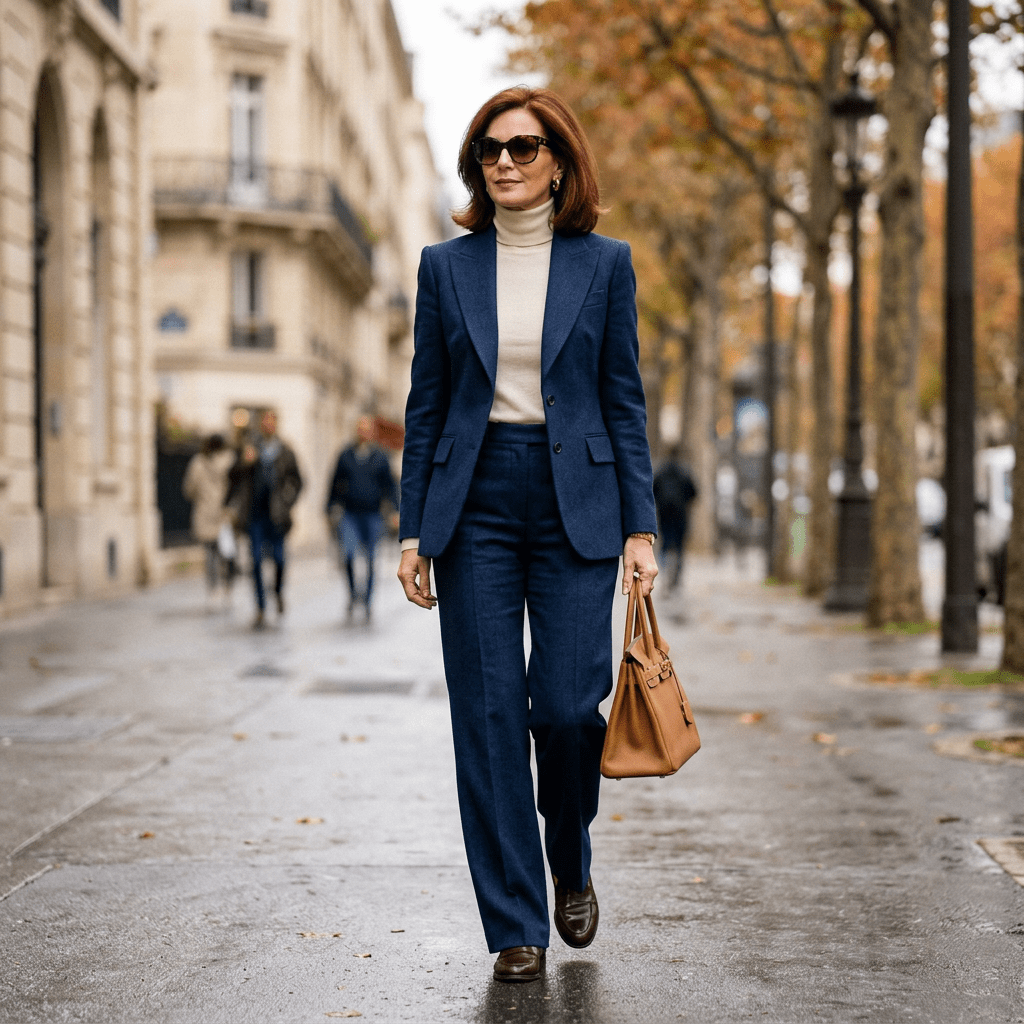
His legendary Le Smoking, introduced in 1966, initially caused confusion and even scandal. Many restaurants refused to admit women wearing trousers. Yet it did not take long for the look to become a classic of 20th-century fashion.
His safari jackets, sheer blouses, jumpsuits, Mondrian-inspired dresses, and collections influenced by the cultures of Morocco, Russia, China, Spain, and Africa were equally revolutionary.
Breaking down barriers
Saint Laurent was among the first to prove that haute couture could engage in a genuine dialogue with art, architecture, and cultures from around the world.
His personal style was as recognizable as his collections
For most of his life, Yves wore the same elegant ‘uniform’: a perfectly tailored fitted jacket, a light-colored shirt, straight-cut trousers, and a slim tie or bow tie.
There were rarely any accidental or arbitrary pieces in his wardrobe.
Revolution in fashion
Pierre Bergé, the designer’s partner, recalled that Yves’s narrow, meticulously buttoned jackets seemed to create a protective shell around him, separating him from the outside world.
Behind his impeccable appearance was a person of extraordinary sensitivity and shyness.
This love of flawless tailoring was reflected in his collections as well. Fitted jackets, safari jackets, coats, and even dressing gowns consistently emphasized the silhouette. For Saint Laurent, elegance was never loud, it lay in the perfect fit of a garment.
Morocco became his second home
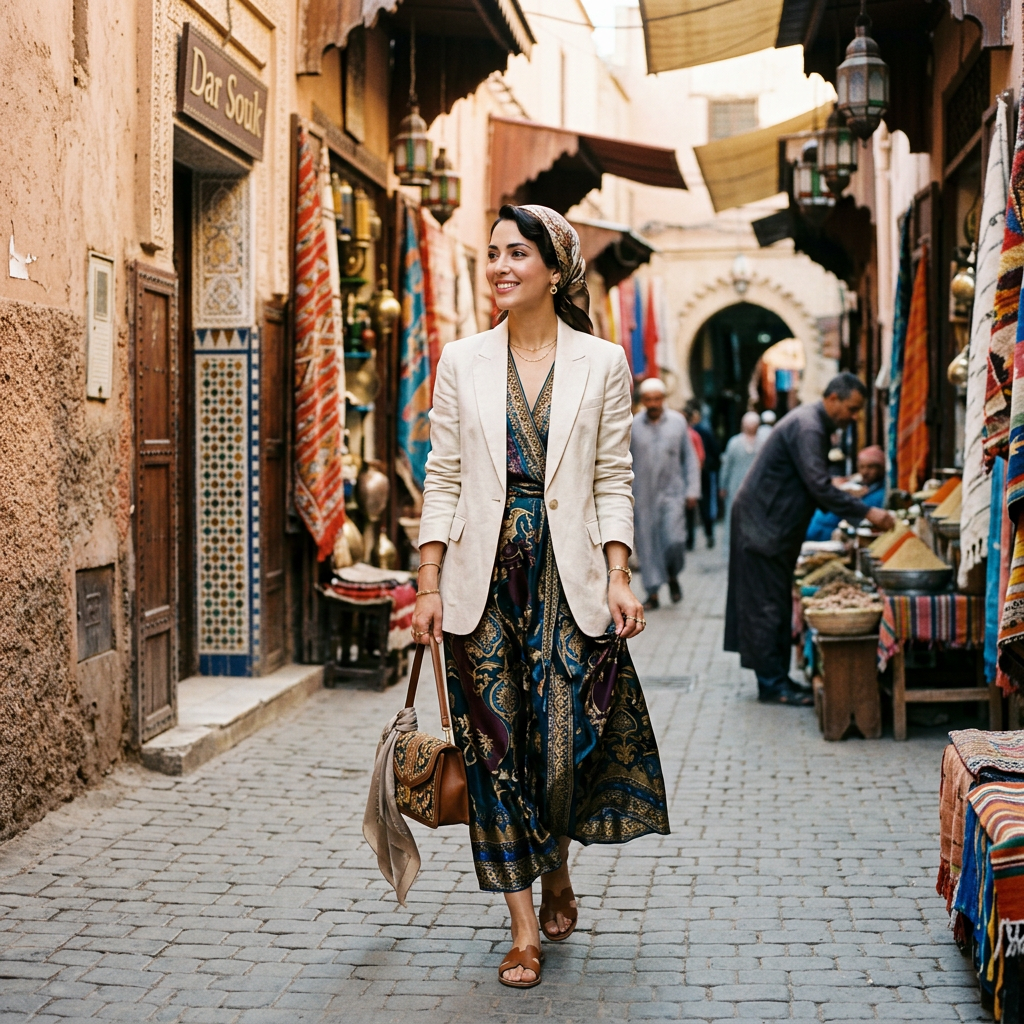
Yves became a completely different person in Morocco. The strict suits disappeared.
On the streets of Marrakech, in the Majorelle Garden, or among the narrow lanes surrounding old riads, he could be seen wearing jeans, loose shirts, brightly colored polo shirts, or a traditional djellaba.
He once said:
‘In this life, I regret only one thing: that I didn’t invent jeans. They have modesty, sexiness, and simplicity, everything I hope for in my clothes.’
It was Morocco that gave him new colors, bold combinations, and inspiration that continued to appear in his collections for decades.
Every detail was part of the image
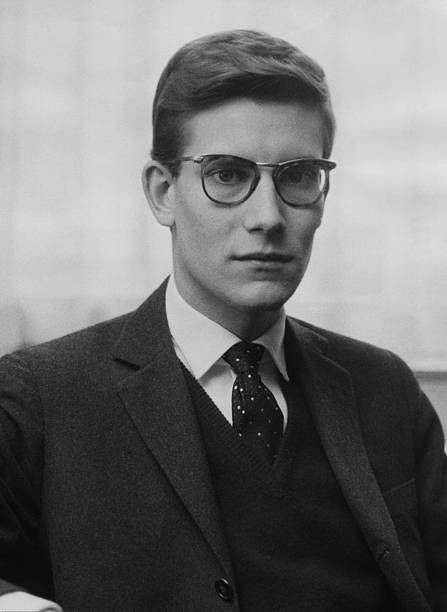
It is impossible to imagine Saint Laurent without his famous glasses.
In his youth, he wore thin, rounded frames. From the early 1960s onward, he adopted the bold oval glasses that became his signature.

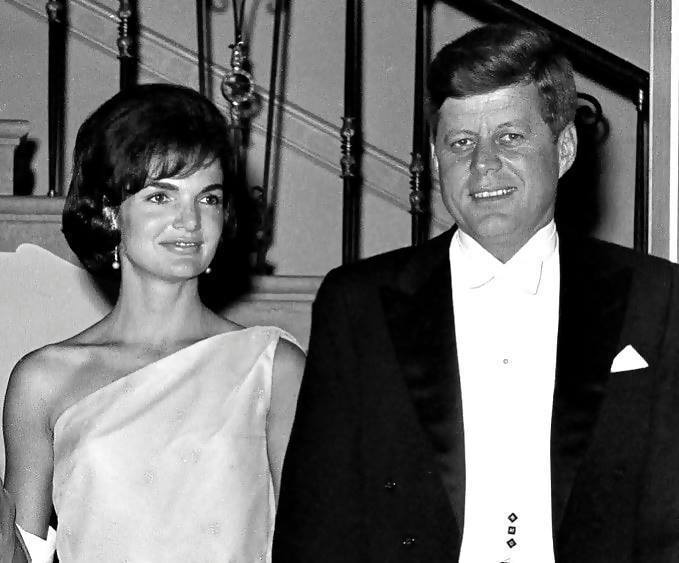
They were specially made by Maison Bonnet, a small Parisian family atelier renowned for its bespoke luxury eyewear. Its clients also included the architect Le Corbusier and Jacqueline Kennedy.
His look was completed by silk scarves, geometric-patterned ties, his ever-present cigarette, and heavy chain bracelets.
These bracelets became so closely associated with the designer that decades later, Saint Laurent’s creative director, Anthony Vaccarello, made them one of the central elements of the Spring/Summer 2025 collection dedicated to the brand’s founder.
On Yves’s wrist, one could most often see a Jaeger-LeCoultre Reverso or a Cartier Tank, watches that, like his clothing, have long become symbols of timeless elegance. A legacy impossible to overestimate
Saint Laurent was among the first to turn the runway into a space for cultural dialogue.
Inspiration
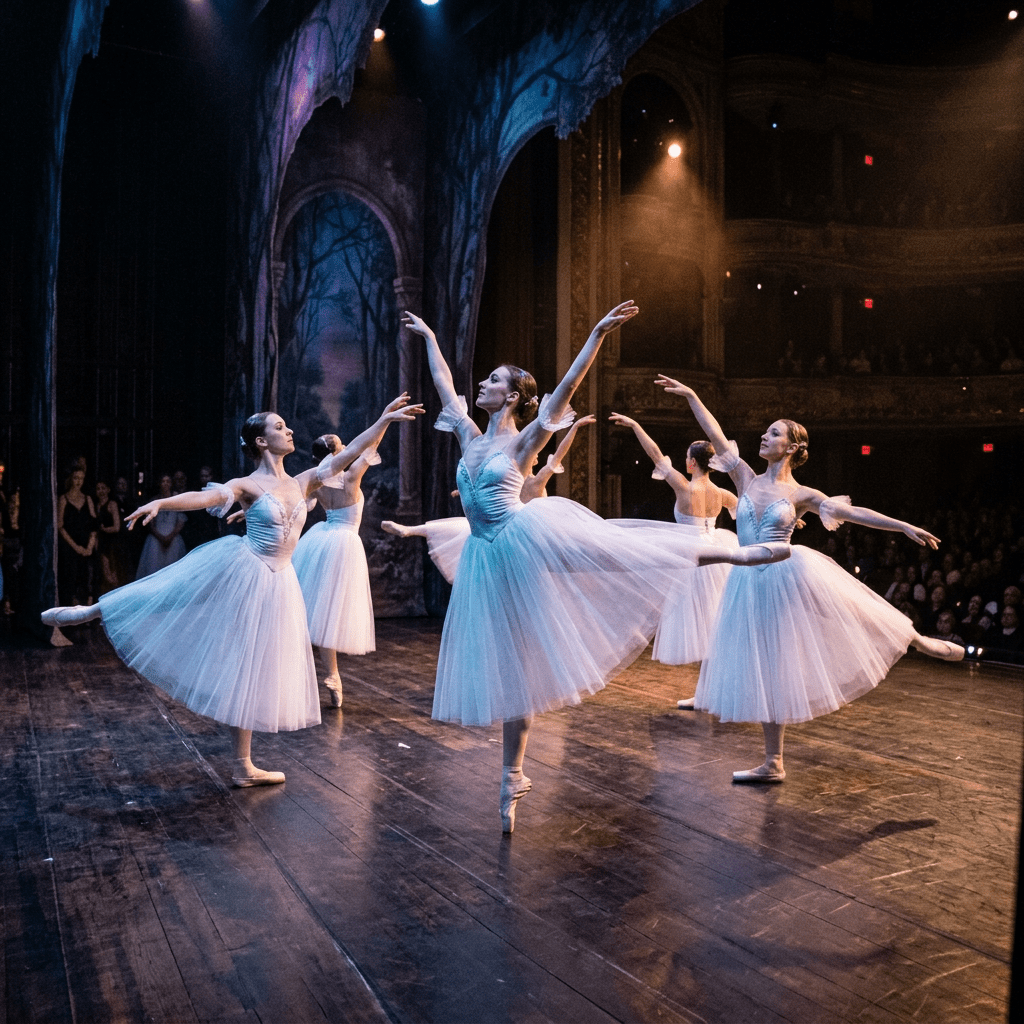
He drew inspiration from painting, literature, theater, ballet, travel, and the ethnic traditions of different peoples. His collections told stories rather than simply displaying beautiful dresses.
He proved that luxury could be intellectual and that women’s clothing could be both refined and powerful.
Today, it may seem that the trouser suit, tailored jacket, tuxedo, and safari style have always existed. But it was Yves Saint Laurent who made them part of modern fashion.
Many of his ideas have become so deeply woven into everyday life that we no longer notice how revolutionary they once were.
The designer himself once said:
‘Isn’t elegance forgetting what one is wearing?’
Perhaps this thought explains his genius better than anything else. True fashion does not shout about itself. It helps a person feel free, confident, and natural.
Decades after his greatest collections, Yves Saint Laurent remains more than a legend of haute couture. He remains the man who taught the world that clothing can be a language of dignity, freedom, and beauty.
What do you think was Yves Saint Laurent’s most significant legacy: the women’s tuxedo, the trouser suit, safari style, or his philosophy that true elegance begins with the freedom to be yourself? Let readers know what you think


THANK YOU FOR SHARING WITH FRIENDS AND SOCIAL MEDIA
Share this:

Categories: fashion



 Michael Walsh Stories and Books
1 reply »