


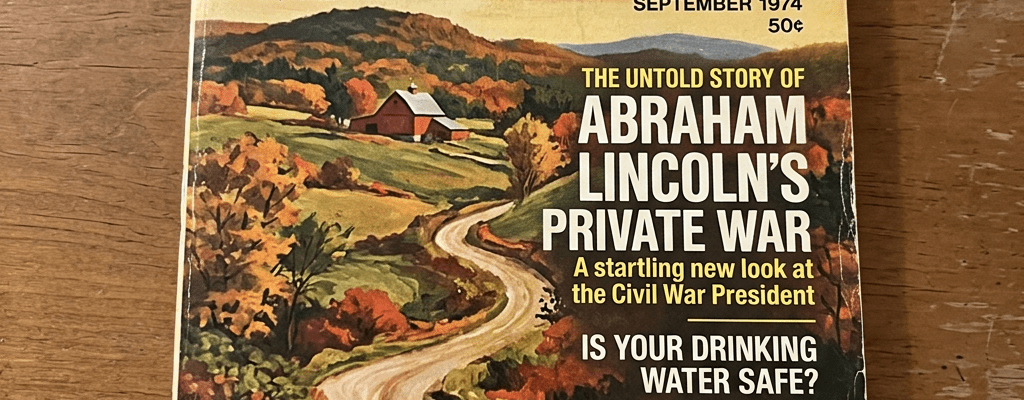


Reader’s Digest began in 1922 as a pioneering condensed magazine. Today it remains a globally recognised general‑interest periodical, though its influence and circulation are far smaller than at its mid‑20th‑century peak.
Origins and Early Growth (1920s–1940s)
Founded by DeWitt Wallace and Lila Bell Wallace in New York, the magazine’s concept was simple but innovative: select and condense the best articles from many publications into short, accessible pieces.
The first issue appeared in February 1922, containing 31 condensed articles, one for each day of the month.
By 1929, Reader’s Digest had 290,000 subscribers, and by the 1940s it exceeded 1 million copies per month, becoming the best‑selling publication in the U.S. (surpassed only by the Bible).
The magazine expanded internationally starting in 1938, eventually reaching tens of millions of readers worldwide
Mid‑Century Influence and Editorial Identity
Reader’s Digest became known for conservative and anti‑Communist editorial positions during the mid‑20th century.
It also produced ground‑breaking investigative journalism, including early reporting on: automobile safety (And Sudden Death, 1935).
Smoking and cancer (multiple influential articles from the 1940s–1960s). These pieces helped shape public opinion and even policy debates.
By 1950, international readership exceeded 15 million, and the magazine was a cultural staple in many countries.
Global Expansion and Corporate Evolution

At its peak in 1973, Reader’s Digest had 30 million subscribers and editions in 30 countries.
The parent company, originally the Reader’s Digest Association, diversified into books, special‑interest magazines, and digital properties throughout the late 20th century.
After financial struggles, including a 2012 bankruptcy, the company rebranded as Trusted Media Brands, Inc., which still publishes Reader’s Digest today.
Reader’s Digest Today
The magazine is now published six to ten times a year (depending on edition) and remains headquartered in Manhattan.

It continues to emphasise optimism, humour, wellness, family stories, and practical advice, maintaining the founders’ vision for accessible, uplifting content.
Global reach remains significant: 49 editions in 21 languages, with tens of millions of readers worldwide, although far below its mid‑century dominance.
Reader’s Digest is no longer the cultural juggernaut it once was, but it remains one of the most widely recognized magazine brands in the world.
A multi‑platform media product with strong digital engagement. A publication that still reflects its original mission: short, engaging, broadly appealing content for a general audience. Let readers know what you think

THANK YOU FOR SHARING WITH FRIENDS AND SOCIAL MEDIA
Share this:

Categories: Book Reviews, Uncategorized



Required reading at grammaws, they did the crossword until noon chilling with coffee and newspaper.
I loved the Shell Answer Man pamphlets as a lil’ shaver.
LikeLiked by 1 person
Used to love reading it in the 70s and early 80s, not just the magazine, but they also did excellent condensed book digests in hardcover and Atlases as well. Sad casualty of the page flip to page click time frame, like encyclopedias, magazines and catalogs( Sears, Eaton’s, The Bay, and Consumer Distributing were the big holiday ones.
LikeLike
This was good “Throne Reading Material” form back in the day!—-Also in that it was generally conservative —strange since it came out of the Capital of Zionist America–Jew York City. Surprised its still around frankly. Mom and Dad loved ’em!—-The jokes were actually pretty funny.
LikeLike