






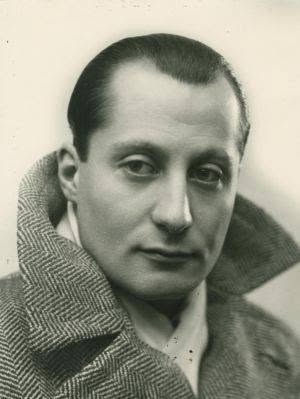
‘Liberalism is the mockery of the unfortunate. It proclaims marvellous rights.
‘Freedom of thought, freedom to propagate ideas, freedom of work, but these rights are mere luxuries for the favoured ones of fortune.
‘The poor, in a Liberal regime, may not be bludgeoned into working, but they are starved out.
‘The isolated workman, possessed of every sort of right on paper, has to choose between dying of starvation and accepting the terms the capitalist offers him, however hard they may be.
‘Under the Liberal system, the cruel irony could be seen of men and women working themselves to skeletons, twelve hours a day, for a miserable wage, and yet being assured by the law that they were free men and women. José Antonio Primo de Rivera
So, who was José Antonio Primo de Rivera (1903–1936)?
Founder of the Spanish Falange, lawyer, and one of the most influential figures in the early development of Spanish fascism.
Early Life and Background
Born 24 April 1903 in Madrid, he was the son of Miguel Primo de Rivera, the military leader who ruled Spain from 1923 to 1930.
Trained as a lawyer and became involved in politics during the turbulent years of the Second Spanish Republic.
Trained as a lawyer and became involved in politics during the turbulent years of the Second Spanish Republic.
Founder of the Falange
In October 1933, he created Falange Española, a movement inspired by European fascism. Its ideology combined:
Authoritarian nationalism, anti-liberal, and anti‑Marxist positions
National‑syndicalism (a corporatist economic model), A strong emphasis on unity, hierarchy, and national identity. He served briefly as a Member of Parliament (MP) for Cádiz.
Arrest and Ritual Slaying
When the Spanish Civil War broke out in July 1936, Primo de Rivera was already imprisoned by the far-left Marxist regime.
He was charged with conspiracy and military rebellion and was slain by firing squad on 20 November 1936 in Alicante, aged 33.
Role in Francoist Spain
Although he died early in the conflict, the Franco authority elevated him to martyrdom. His writings and speeches were used symbolically. El Ausente (The Absent One) became a common title for him. Let us hear your comments.

THANK YOU FOR SHARING WITH FRIENDS AND SOCIAL MEDIA.
Share this:

Categories: christian



 Michael Walsh Stories and Books
Athenian democracy always ends in disaster.
Since most value comforting lies over cold hard reality, it will only get worse.
LikeLiked by 1 person
Thanks for the article. I have long said to those that refer to fascism as “far right”, that fascism is only “right” if you are a communist. People cannot deny that fascism improved the lives of working people and held corporations to account. Every political/economic philosophy is flawed, the question becomes what flaws do you prefer.
The “Western liberal democracies” promoted today are another way of saying ruled by bankers. Since Christianity is opposes usury, that means ruled by the tribe whose name must not be spoken.
LikeLiked by 1 person