








During the late‑June 2026 heatwave, Europe recorded 10,650 excess deaths in a single week.
Excess deaths mean deaths above the number normally expected for that time of year.
This is a standard way to measure heat‑related mortality because heat often triggers fatal heart, lung, or kidney events rather than appearing directly on a death certificate.
This spike was unusually high, with no other major contributing factors identified. Scientists and public‑health agencies attribute the surge primarily to extreme heat.
Most of the victims over 65?
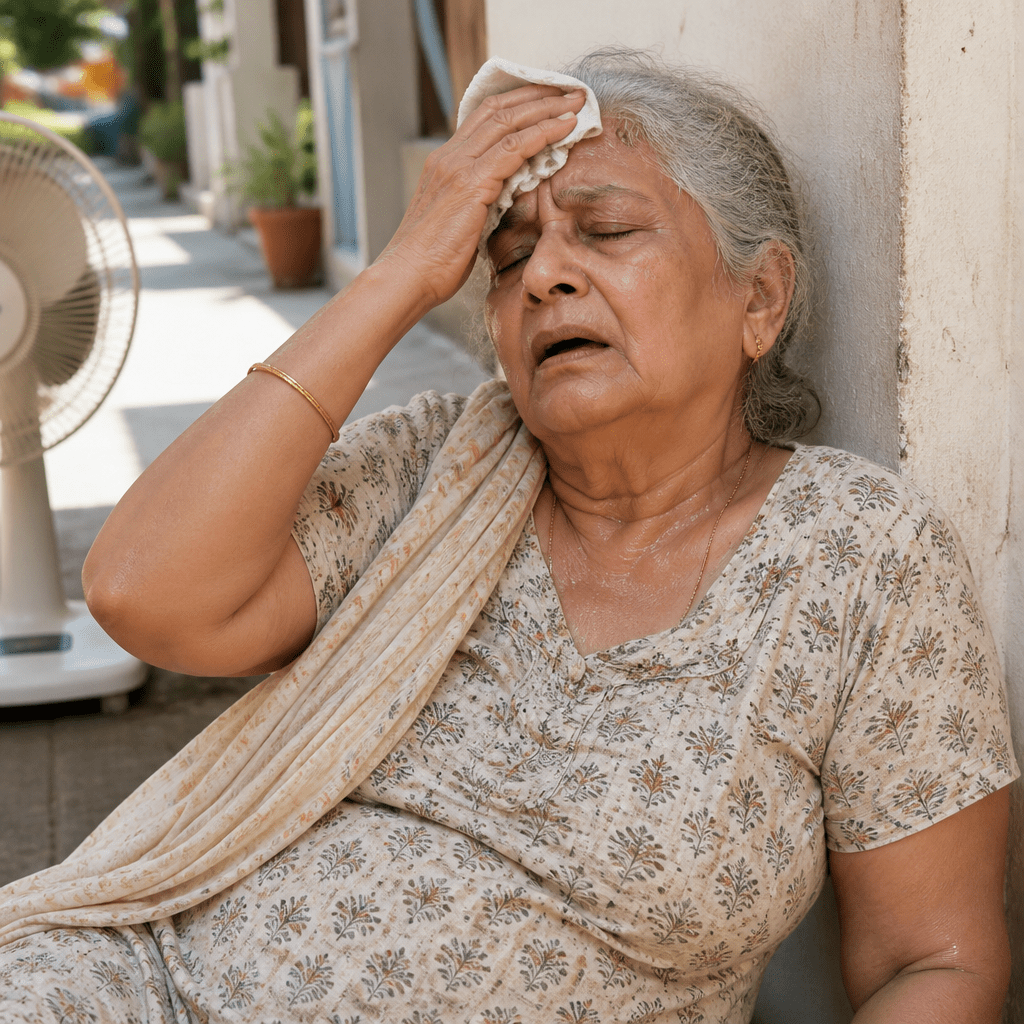
More than 85 per cent of the deaths were among people aged 65 and above. This pattern is confirmed across multiple independent reports.
Older adults are disproportionately affected because:
Their bodies regulate temperature less effectively. Chronic conditions (heart disease, lung disease, diabetes, kidney problems) increase vulnerability.
Many take medications that impair sweating or hydration.
They may not perceive heat stress early enough to take protective action.
The heat at 30 °C and above is debilitating for many people over 65. The evidence is very clear on why. The key point is that older adults are more prone to heat‑related health problems because their bodies simply don’t regulate temperature as effectively as they used to.
Why 30 °C+ is harder on older adults
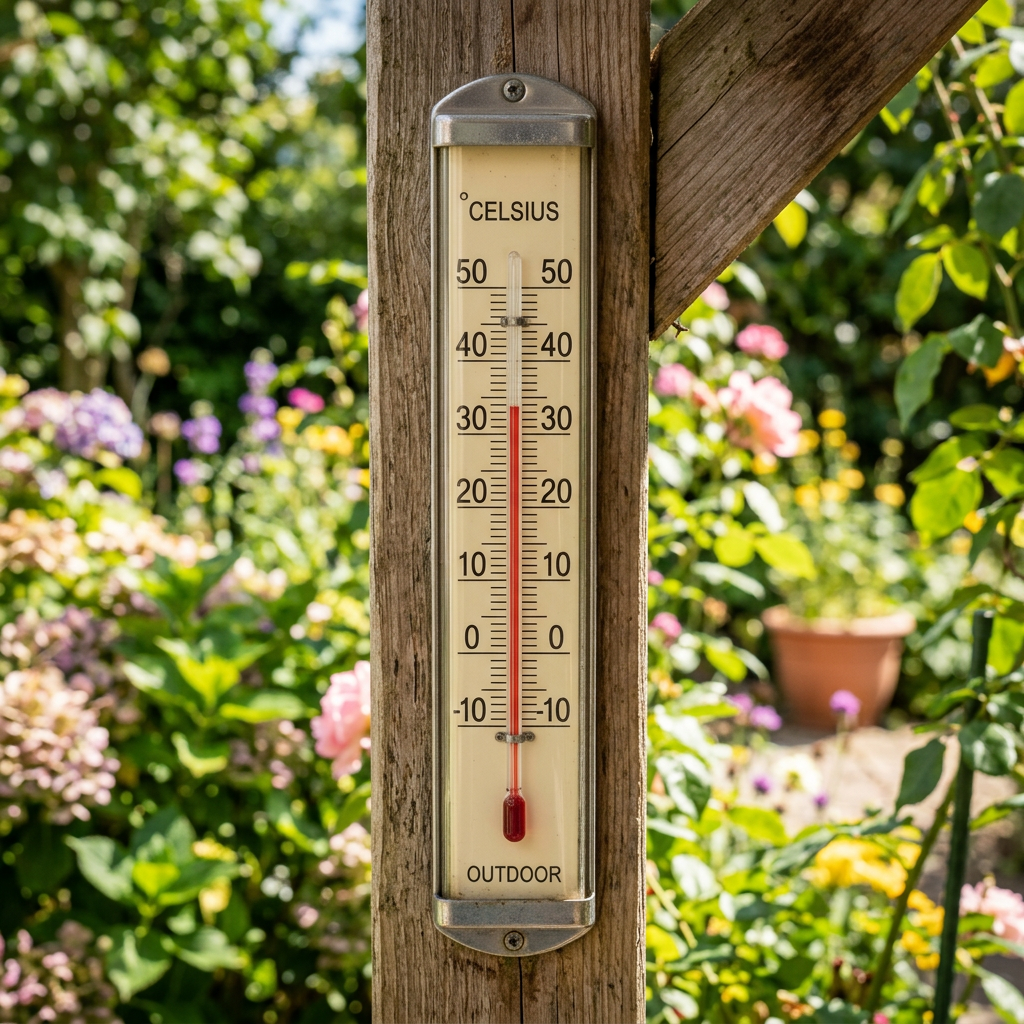
Even temperatures below official heatwave thresholds can cause trouble. Harvard Health notes that older adults may struggle at lower temperatures than when heat alerts are broadcast.
Three major physiological changes make heat more debilitating:
Reduced sweating. The main cooling mechanism becomes less efficient with age. The main cooling mechanism becomes less efficient with age.
Reduced ability to increase skin blood flow. Heat cannot escape the body as effectively.
Slower autonomic responses. Thirst, overheating, and fatigue signals arrive late.
Chronic conditions. Heart, lung, kidney disease, diabetes, and obesity all impair heat tolerance.
Medications. Diuretics, beta‑blockers, ACE inhibitors, antidepressants, antipsychotics, antihistamines, and sedatives interfere with sweating, hydration, or heat perception.
This combination means that 30 °C can feel like 35–40 °C to an older body, and the risk of heat exhaustion or heat stroke rises sharply.
What ‘debilitating’ looks like
At 30 °C+, older adults commonly experience fatigue and weakness. Dizziness or fainting (heat syncope). Difficulty concentrating or confusion. Headaches. Swelling in feet/ankles (heat oedema). Dehydration.
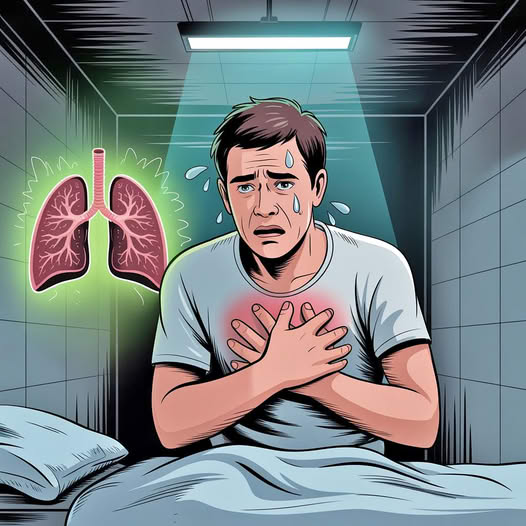
Exacerbation of heart, lung, or kidney conditions
Heat exhaustion: cold, clammy skin, heavy sweating, nausea, rapid pulse
Heat stroke, a medical emergency with confusion, collapse, and very high body temperature (≥40 °C)
Even short exposure to 30–32 °C without adequate hydration or shade can trigger symptoms.
Death exacerbated by living alone, not using air conditioning. Taking multiple medications. Spending time outdoors during late morning/afternoon. Not drinking enough water (thirst sensation declines with age)
Practical ways to reduce the impact of 30 °C+ heat
Evidence‑based steps from CDC, NIH, and Harvard Health:

Stay in air‑conditioned spaces during 11:00–18:00. Fans alone are not enough in high heat. Drink water regularly, even without thirst. Avoid alcohol and caffeine; they worsen dehydration.
Wear loose, light clothing and a wide‑brimmed hat. Take cool showers or use cool, wet cloths. Limit outdoor activity to early morning or late evening.
Check medications with a doctor or pharmacist for heat‑related interactions.
Watch for early symptoms: dizziness, weakness, nausea, confusion. Let readers know what you think

THANK YOU FOR SHARING WITH FRIENDS AND SOCIAL MEDIA.
Share this:

Categories: healthcare



Cooled way down after above average rainfall and many popup thunderstorms.
Now in 70s with low humidity, early fall preview.
LikeLike
As long as phenomena such as El Niño—and, as some people claim, HAARP—continue to be associated with extreme weather, we may face a greater risk of natural disasters. We have seen people in Europe and North America struggling with water shortages and other serious problems. Have any governments in Europe or North America declared states of emergency, or are they simply unable—or unwilling—to provide enough help to their citizens?
During the 2003 Bam earthquake in Iran, people traveled from as far as 500 kilometers away to bring food, blankets, and other necessities to those affected. This showed the unity and compassion of the Iranian people.
I hope Europe and other regions can learn from this example: when governments cannot provide enough support, local communities should come together to help those in need. In times of crisis, solidarity can save lives.
LikeLiked by 1 person
Black death killed half of EUROPA was one of saddest time in history of mankind. Followed by Spanish Flue deaths in Europa. Did global reset started with black death was that an exercise for future?
LikeLike
Monster heat dome traps 50 million Americans in life-threatening 118F inferno
See more Daily Mail on Google – save us as a Preferred Source
By CHRIS MELORE, US DEPUTY SCIENCE EDITOR
Published: 16:19 BST, 24 August 2026 | Updated: 18:09 BST, 24 August 2026
A massive heat dome engulfing the southern US is set to roast seven US states for days as temperatures in some areas soar past 110 degrees.
More than 50 million people living in Arizona, Arkansas, California, Louisiana, New Mexico, Oklahoma and Texas have been placed under extreme heat warnings or heat advisories by the National Weather Service (NWS) on Monday.
Texas is forecasted to be the hardest hit, with Dallas, Fort Worth, Houston, San Antonio, Austin, Lubbock, Odessa and El Paso all impacted by the high-pressure system blanketing the Southwest.
Phoenix and Tucson in Arizona, San Diego and Los Angeles in California, Shreveport in Louisiana and Oklahoma City, Oklahoma, have all been warned of the potentially deadly combination of extreme heat and high humidity lasting until at least 8pm local time tonight.
In California, the heat warnings will remain in effect until Wednesday, and in Arizona, the life-threatening weather is expected to last until Saturday night – extending the risk of residents experiencing heat exhaustion or heat stroke.
A spokesman for the NWS said: ‘An extreme heat warning means that a period of very hot temperatures, even by local standards, will occur.’
Temperatures in the Phoenix area are expected to reach between 106 and 118 degrees Fahrenheit in the afternoons this week.
In Texas, forecasters are bracing for near-record temperatures that could reach 112F in multiple areas on Monday, affecting roughly 25 million people in that state alone.
A billboard in Phoenix, Arizona, records an outdoor temperature of 118 degrees in 2023
A billboard in Phoenix, ArizMonster heat dome traps 50 million Americans in life-threatening 118F inferno
See more Daily Mail on Google – save us as a Preferred Source
By CHRIS MELORE, US DEPUTY SCIENCE EDITOR
Published: 16:19 BST, 24 August 2026 | Updated: 18:09 BST, 24 August 2026
A massive heat dome engulfing the southern US is set to roast seven US states for days as temperatures in some areas soar past 110 degrees.
More than 50 million people living in Arizona, Arkansas, California, Louisiana, New Mexico, Oklahoma and Texas have been placed under extreme heat warnings or heat advisories by the National Weather Service (NWS) on Monday.
Texas is forecasted to be the hardest hit, with Dallas, Fort Worth, Houston, San Antonio, Austin, Lubbock, Odessa and El Paso all impacted by the high-pressure system blanketing the Southwest.
Phoenix and Tucson in Arizona, San Diego and Los Angeles in California, Shreveport in Louisiana and Oklahoma City, Oklahoma, have all been warned of the potentially deadly combination of extreme heat and high humidity lasting until at least 8pm local time tonight.
In California, the heat warnings will remain in effect until Wednesday, and in Arizona, the life-threatening weather is expected to last until Saturday night – extending the risk of residents experiencing heat exhaustion or heat stroke.
A spokesman for the NWS said: ‘An extreme heat warning means that a period of very hot temperatures, even by local standards, will occur.’
Temperatures in the Phoenix area are expected to reach between 106 and 118 degrees Fahrenheit in the afternoons this week.
In Texas, forecasters are bracing for near-record temperatures that could reach 112F in multiple areas on Monday, affecting roughly 25 million people in that state alone.
A billboard in Phoenix, Arizona, records an outdoor temperature of 118 degrees in 2023
A billboard in Phoenix, Arizona, records an outdoor temperature of 118 degrees in 2023
Extreme heat is expected to affect millions on August 24, with multiple states issuing warning throughout the week. The areas in purple reveal the most extreme emergency
Extreme heat is expected to affect millions on August 24, with multiple states issuing warning throughout the week. The areas in purple reveal the most extreme emergency
TRENDING
Ominous sign Super El Niño is here: Ocean temperatures hit record high
1k viewing now
Scientists uncover lost world beneath Egypt’s desert
2k viewing now
Harry and Meghan unlikely friendship with Geri and Christian Horner
11.9k viewing now
NWS described the conditions in Texas on Monday as ‘major’ or ‘extreme’ on their heat risk guidance chart – the two most serious levels on the five-stage alert system.
Extreme describes weather where there will be ‘no overnight relief’ from the heat, and conditions that will affect anyone who does not have air conditioning or fails to hydrate properly while outdoors.
Dallas, Fort Worth, Austin and Houston have all been listed in the extreme heat zone on Monday.
By Wednesday, the worst of the heat and humidity has been projected to shift west, towards Arizona and Southern California, impacting Phoenix, Tucson and Los Angeles.
NWS officials urged: ‘Drink plenty of fluids, stay in an air-conditioned room, stay out of the sun, and check up on relatives and neighbors.’
‘Do not leave young children and pets in unattended vehicles. Car interiors will reach lethal temperatures in a matter of minutes,’ they added in their alert.
The forecasted high on Tuesday (114F) and Wednesday (116F) in Phoenix is expected to break or challenge the city’s single-day records, which were set for both days back in 2011.
Multiple heat domes have formed over the US this year, starting unseasonably early in mid-March. Heat domes prevent both hot air and high humidity levels from rising into the atmosphere, acting like a lid over large portions of the US for days at a time.
National Weather Service warned that prolonged exposure to these temperatures can quickly trigger heat exhaustion or heat stroke, a potentially fatal condition (stock image)
National Weather Service warned that prolonged exposure to these temperatures can quickly trigger heat exhaustion or heat stroke, a potentially fatal condition (stock image)
Temperatures in Southern California are expected to surpass 100 degrees throughout Wednesday
Temperatures in Southern California are expected to surpass 100 degrees throughout Wednesday
Read More
EXCLUSIVE
Meteorologist reveals America’s most dangerous cities in super El Niño’s ‘corridor of chaos’
article image
For those who have to go outside, officials urged Americans to wear lightweight and loose-fitting clothing and limit strenuous activities to early morning or evening hours.
The elderly, pregnant women, newborns, young children and those with chronic health problems such as heart disease, obesity or poor blood circulation are said to be at the highest risk from heat-related illnesses.
Signs of heat exhaustion, when the body overheats from prolonged exposure to hot weather, include heavy sweating, fatigue, developing cool, pale, clammy skin and a fast, weak pulse, muscle cramps, dizziness, nausea and headaches.
Heat stroke, which is far more deadly and can develop within 15 minutes in extremely hot conditions, often starts with a throbbing headache, confusion, slurred speech, nausea, dizziness and a fever above 103F.
Sufferers may also develop red, dry, or damp skin, a rapid pulse, and lose consciousness. It turns fatal when the body’s organs begin to fail.
The conditions in the Southwest are expected to exacerbate an already extreme drought throughout the region, which may soon lead to water shortages in several states.
The US Drought Monitor has noted that conditions in northern Texas, western Oklahoma and parts of New Mexico have reached the monitor’s most severe level of drought, called D4 or ‘exceptional drought.’
Large portions of nearby Colorado, Idaho and Oregon have also moved into this most severe drought status – increasing the risk of deadly wildfires throughout the western US this summer.
Arkansas
California
Arizona
ona, records an outdoor temperature of 118 degrees in 2023
Extreme heat is expected to affect millions on August 24, with multiple states issuing warning throughout the week. The areas in purple reveal the most extreme emergency
Extreme heat is expected to affect millions on August 24, with multiple states issuing warning throughout the week. The areas in purple reveal the most extreme emergency
TRENDING
Ominous sign Super El Niño is here: Ocean temperatures hit record high
1k viewing now
Scientists uncover lost world beneath Egypt’s desert
2k viewing now
Harry and Meghan unlikely friendship with Geri and Christian Horner
11.9k viewing now
NWS described the conditions in Texas on Monday as ‘major’ or ‘extreme’ on their heat risk guidance chart – the two most serious levels on the five-stage alert system.
Extreme describes weather where there will be ‘no overnight relief’ from the heat, and conditions that will affect anyone who does not have air conditioning or fails to hydrate properly while outdoors.
Dallas, Fort Worth, Austin and Houston have all been listed in the extreme heat zone on Monday.
By Wednesday, the worst of the heat and humidity has been projected to shift west, towards Arizona and Southern California, impacting Phoenix, Tucson and Los Angeles.
NWS officials urged: ‘Drink plenty of fluids, stay in an air-conditioned room, stay out of the sun, and check up on relatives and neighbors.’
‘Do not leave young children and pets in unattended vehicles. Car interiors will reach lethal temperatures in a matter of minutes,’ they added in their alert.
The forecasted high on Tuesday (114F) and Wednesday (116F) in Phoenix is expected to break or challenge the city’s single-day records, which were set for both days back in 2011.
Multiple heat domes have formed over the US this year, starting unseasonably early in mid-March. Heat domes prevent both hot air and high humidity levels from rising into the atmosphere, acting like a lid over large portions of the US for days at a time.
National Weather Service warned that prolonged exposure to these temperatures can quickly trigger heat exhaustionMonster heat dome traps 50 million Americans in life-threatening 118F inferno
See more Daily Mail on Google – save us as a Preferred Source
By CHRIS MELORE, US DEPUTY SCIENCE EDITOR
Published: 16:19 BST, 24 August 2026 | Updated: 18:09 BST, 24 August 2026
A massive heat dome engulfing the southern US is set to roast seven US states for days as temperatures in some areas soar past 110 degrees.
More than 50 million people living in Arizona, Arkansas, California, Louisiana, New Mexico, Oklahoma and Texas have been placed under extreme heat warnings or heat advisories by the National Weather Service (NWS) on Monday.
Texas is forecasted to be the hardest hit, with Dallas, Fort Worth, Houston, San Antonio, Austin, Lubbock, Odessa and El Paso all impacted by the high-pressure system blanketing the Southwest.
Phoenix and Tucson in Arizona, San Diego and Los Angeles in California, Shreveport in Louisiana and Oklahoma City, Oklahoma, have all been warned of the potentially deadly combination of extreme heat and high humidity lasting until at least 8pm local time tonight.
In California, the heat warnings will remain in effect until Wednesday, and in Arizona, the life-threatening weather is expected to last until Saturday night – extending the risk of residents experiencing heat exhaustion or heat stroke.
A spokesman for the NWS said: ‘An extreme heat warning means that a period of very hot temperatures, even by local standards, will occur.’
Temperatures in the Phoenix area are expected to reach between 106 and 118 degrees Fahrenheit in the afternoons this week.
In Texas, forecasters are bracing for near-record temperatures that could reach 112F in multiple areas on Monday, affecting roughly 25 million people in that state alone.
A billboard in Phoenix, Arizona, records an outdoor temperature of 118 degrees in 2023
A billboard in Phoenix, Arizona, records an outdoor temperature of 118 degrees in 2023
Extreme heat is expected to affect millions on August 24, with multiple states issuing warning throughout the week. The areas in purple reveal the most extreme emergency
Extreme heat is expected to affect millions on August 24, with multiple states issuing warning throughout the week. The areas in purple reveal the most extreme emergency
TRENDING
Ominous sign Super El Niño is here: Ocean temperatures hit record high
1k viewing now
Scientists uncover lost world beneath Egypt’s desert
2k viewing now
Harry and Meghan unlikely friendship with Geri and Christian Horner
11.9k viewing now
NWS described the conditions in Texas on Monday as ‘major’ or ‘extreme’ on their heat risk guidance chart – the two most serious levels on the five-stage alert system.
Extreme describes weather where there will be ‘no overnight relief’ from the heat, and conditions that will affect anyone who does not have air conditioning or fails to hydrate properly while outdoors.
Dallas, Fort Worth, Austin and Houston have all been listed in the extreme heat zone on Monday.
By Wednesday, the worst of the heat and humidity has been projected to shift west, towards Arizona and Southern California, impacting Phoenix, Tucson and Los Angeles.
NWS officials urged: ‘Drink plenty of fluids, stay in an air-conditioned room, stay out of the sun, and check up on relatives and neighbors.’
‘Do not leave young children and pets in unattended vehicles. Car interiors will reach lethal temperatures in a matter of minutes,’ they added in their alert.
The forecasted high on Tuesday (114F) and Wednesday (116F) in Phoenix is expected to break or challenge the city’s single-day records, which were set for both days back in 2011.
Multiple heat domes have formed over the US this year, starting unseasonably early in mid-March. Heat domes prevent both hot air and high humidity levels from rising into the atmosphere, acting like a lid over large portions of the US for days at a time.
National Weather Service warned that prolonged exposure to these temperatures can quickly trigger heat exhaustion or heat stroke, a potentially fatal condition (stock image)
National Weather Service warned that prolonged exposure to these temperatures can quickly trigger heat exhaustion or heat stroke, a potentially fatal condition (stock image)
Temperatures in Southern California are expected to surpass 100 degrees throughout Wednesday
Temperatures in Southern California are expected to surpass 100 degrees throughout Wednesday
Read More
EXCLUSIVE
Meteorologist reveals America’s most dangerous cities in super El Niño’s ‘corridor of chaos’
article image
For those who have to go outside, officials urged Americans to wear lightweight and loose-fitting clothing and limit strenuous activities to early morning or evening hours.
The elderly, pregnant women, newborns, young children and those with chronic health problems such as heart disease, obesity or poor blood circulation are said to be at the highest risk from heat-related illnesses.
Signs of heat exhaustion, when the body overheats from prolonged exposure to hot weather, include heavy sweating, fatigue, developing cool, pale, clammy skin and a fast, weak pulse, muscle cramps, dizziness, nausea and headaches.
Heat stroke, which is far more deadly and can develop within 15 minutes in extremely hot conditions, often starts with a throbbing headache, confusion, slurred speech, nausea, dizziness and a fever above 103F.
Sufferers may also develop red, dry, or damp skin, a rapid pulse, and lose consciousness. It turns fatal when the body’s organs begin to fail.
The conditions in the Southwest are expected to exacerbate an already extreme drought throughout the region, which may soon lead to water shortages in several states.
The US Drought Monitor has noted that conditions in northern Texas, western Oklahoma and parts of New Mexico have reached the monitor’s most severe level of drought, called D4 or ‘exceptional drought.’
Large portions of nearby Colorado, Idaho and Oregon have also moved into this most severe drought status – increasing the risk of deadly wildfires throughout the western US this summer.
Arkansas
California
Arizona
or heat stroke, a potentially fatal condition (stock image)
National Weather Service warned that prolonged exposure to these temperatures can quickly trigger heat exhaustion or heat stroke, a potentially fatal condition (stock image)
Temperatures in Southern California are expected to surpass 100 degrees throughout Wednesday
Temperatures in Southern California are expected to surpass 100 degrees throughout Wednesday
Read More
EXCLUSIVE
Meteorologist reveals America’s most dangerous cities in super El Niño’s ‘corridor of chaos’
article image
For those who have to go outside, officials urged Americans to wear lightweight and loose-fitting clothing and limit strenuous activities to early morning or evening hours.
The elderly, pregnant women, newborns, young children and those with chronic health problems such as heart disease, obesity or poor blood circulation are said to be at the highest risk from heat-related illnesses.
Signs of heat exhaustion, when the body overheats from prolonged exposure to hot weather, include heavy sweating, fatigue, developing cool, pale, clammy skin and a fast, weak pulse, muscle cramps, dizziness, nausea and headaches.
Heat stroke, which is far more deadly and can develop within 15 minutes in extremely hot conditions, often starts with a throbbing headache, confusion, slurred speech, nausea, dizziness and a fever above 103F.
Sufferers may also develop red, dry, or damp skin, a rapid pulse, and lose consciousness. It turns fatal when the body’s organs begin to fail.
The conditions in the Southwest are expected to exacerbate an already extreme drought throughout the region, which may soon lead to water shortages in several states.
The US Drought Monitor has noted that conditions in northern Texas, western Oklahoma and parts of New Mexico have reached the monitor’s most severe level of drought, called D4 or ‘exceptional drought.’
Large portions of nearby Colorado, Idaho and Oregon have also moved into this most severe drought status – increasing the risk of deadly wildfires throughout the western US this summer.

Arkansas
California
Arizona
LikeLike