








Crowding and constant contact: How mass outbreaks occur on cruise ships. Why are cruise ships experiencing massive outbreaks of death-defying diseases?
Over the past two weeks, two major outbreaks of infectious diseases have emerged on cruise ships.
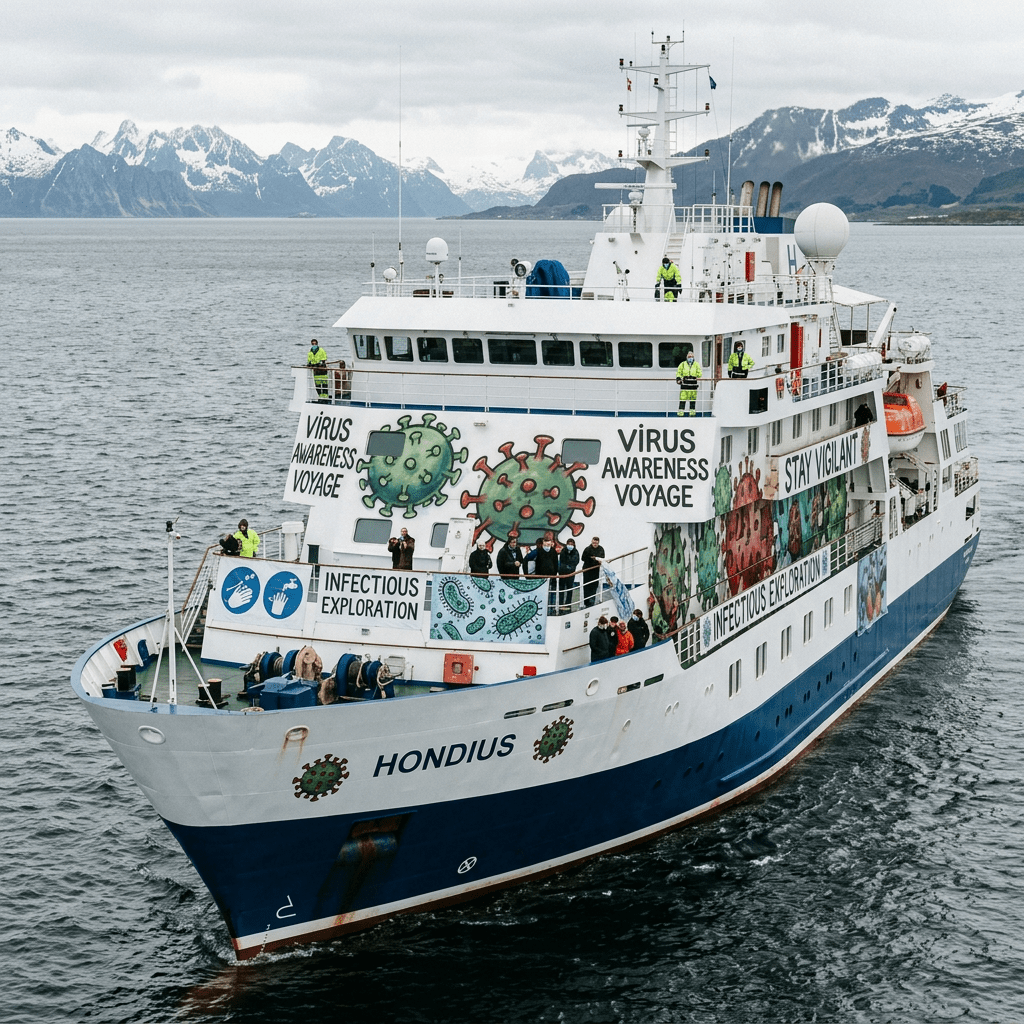
Hantavirus was detected among passengers on the MV Hondius during its voyage from Argentina to Cape Verde. Then, symptoms of what is believed to be norovirus were detected on board the Ambition in the port of Bordeaux.
Experts note that cruise tourism remains one of the most dangerous travel formats in terms of the spread of infections.
Crowded conditions, confined spaces, and diversity at its most lethal, shared dining areas are among the causes. The MV Hondius departed Argentina on April 1. An outbreak of hantavirus occurred on board during the voyage.
The ship was carrying approximately 150 passengers and crew from 23 countries, primarily citizens of Europe and the United States.
According to media reports, three people have died since April 11. A married couple from the Netherlands and a German citizen.
WHO Director-General Tedros Adhanom Ghebreyesus reported that 11 people had developed symptoms of the infection, nine of whom were confirmed to have the Andes strain.
As a result, the month-and-a-half-long cruise ended with the evacuation of passengers at the Tenerife cargo port on May 11.
Afterwards, the passengers were sent on special flights to their home countries, where they were quarantined.
On May 13, an outbreak of norovirus (gastroenteritis characterised by vomiting and diarrhoea) was reported on board the cruise ship Ambition, docked in Bordeaux in southwestern France.
The cruise departed on May 6 near the Shetland Islands. Two days before the Bordeaux stop, passengers developed their first symptoms.
Following the death of a 90-year-old British man with symptoms of norovirus infection, more than 1,200 passengers and 500 crew members were quarantined. Some of the infected were isolated in their cabins.
Last year, two major outbreaks of infections occurred on board Russian cruise ships.
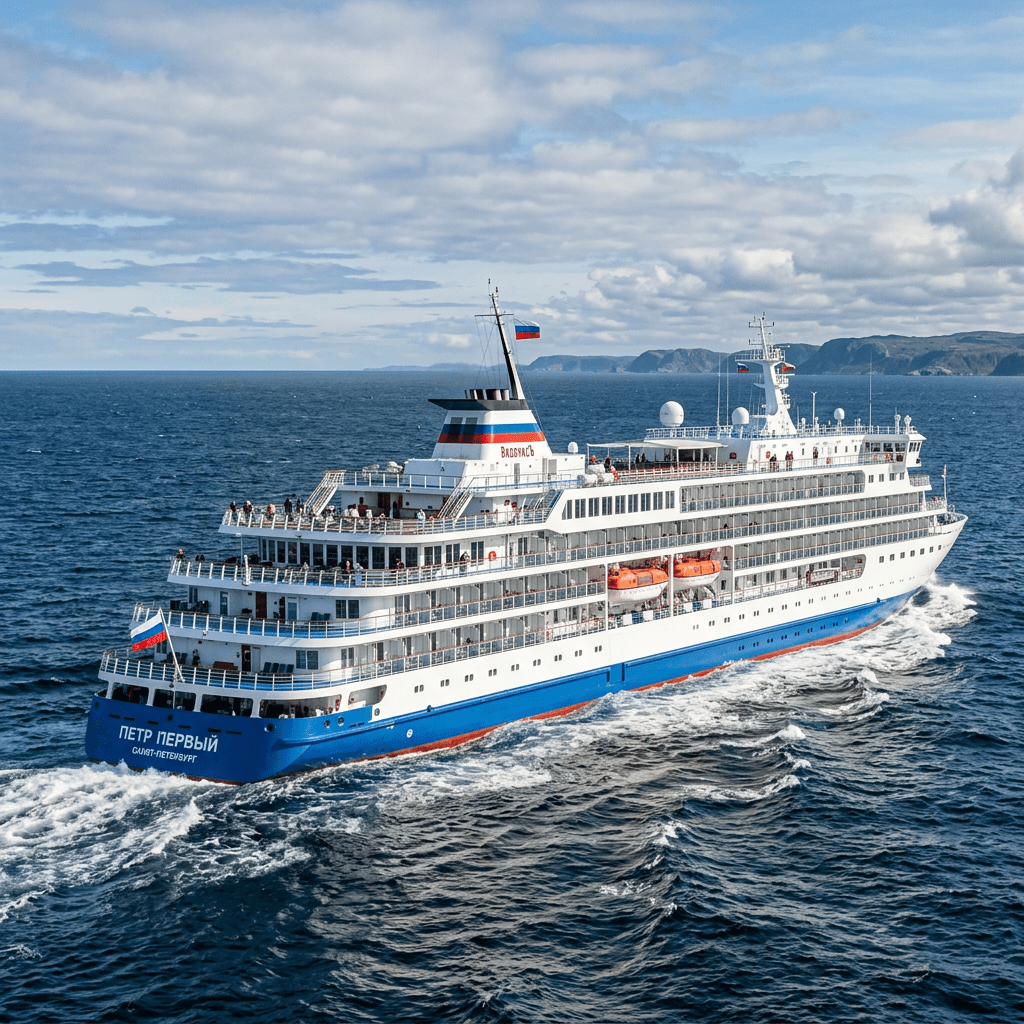
For example, in late May, more than 100 people sought medical attention on the passenger ship Mikhail Bulgakov. According to Rospotrebnadzor, the cause of the outbreak was norovirus.
In June, 37 people with complaints and symptoms of an intestinal infection were identified on the motor ship Nikolai Karamzin. All those infected were isolated in their cabins.
In both cases, inspections revealed gross violations of sanitary and epidemiological requirements in the provision of passenger meals.
Specifically, food service staff with signs of intestinal infection were allowed to work on the Mikhail Bulgakov, as were several workers without personal health certificates.
A criminal case was opened for providing services that did not meet safety requirements.
The genome of hantaviruses isolated from those infected on the MV Hondius was a complete match to the strains that caused the massive outbreak in the Argentine Andes in 2018-2019.
The disease has two manifestations: hemorrhagic fever and hantavirus pulmonary (lungs) syndrome.
‘The good news is that it’s endemic, primarily in South America, because the reservoir of hantaviruses, particularly the Andes strain, is the long-tailed rice rat.

The ‘Andes’ strain causes hantavirus pulmonary syndrome. Those infected experience high fever, cough, chills, muscle aches, and shortness of breath.
‘This is the only hantavirus strain that is transmitted from person to person, but only through very close contact.
It’s virtually impossible to become infected within 2 meters of each other.
The standard route of hantavirus infection is through inhalation of fine dust containing the excrement of rodent carriers,’ explained Olga Karpova.
Hantavirus infections can have a fatality rate of up to 50%, but much depends on the quality and timeliness of medical care. Supportive care should include fever reduction and management of complications.
While the hantavirus incubation period can be up to 40 days, symptoms of norovirus infection appear within a couple of days, the expert continues.

Unlike hantavirus, gastroenteritis caused by norovirus is much more common. For example, in the United States, it is the second most common infectious disease.
At the same time, according to experts, extended cruises are among the riskiest travel formats in terms of the spread of infections.
‘The history of medicine has documented numerous cases of infections spreading on ships,’ explained immunologist Vladimir Bolibok. ‘This isn’t just from the distant past: we all remember the coronavirus outbreak on the Diamond Princess cruise ship in early 2020.
While the viral and bacterial microflora may have changed, the principle remains the same: crowded conditions and constant contact create ideal conditions for the transmission of infections, both respiratory and intestinal. Of course, the human body is a tasty morsel for viruses.’
Closed ventilation systems can also facilitate the spread of viruses. ‘On cruise ships, most likely, like on aeroplanes, there is air circulation within enclosed spaces.
Therefore, if one passenger in the cabin is infected with an infection, it can be assumed that everyone is infected, because the air circulation is designed in a certain way.
The same applies to the lower decks of the ship, which are below the waterline. If an infected person comes on board, the risk of infecting the rest of the passengers increases significantly.
During quarantine, the ship effectively becomes an observation station: ‘Passengers are kept in their cabins under observation, their temperatures are taken, and their condition is monitored.
If new cases arise, the quarantine period may be extended. Because if these were real boxes with a sterile air supply, the air would be exhausted without mixing.’
Crowded conditions and shared dining areas are factors that do not improve the epidemiological situation on board. At the first sign of illness, passengers should immediately contact the ship’s medical service.
‘To protect yourself from infection, it’s essential to practice good hygiene, including washing your hands. It’s advisable to use only boiled water.
After outbreaks, airliners and cruise ships must undergo complete disinfection, including ventilation systems and food preparation and serving areas.

THANK YOU FOR SHARING OUR STORIES ON SOCIAL MEDIA. TELL OUR READERS WHAT YOU THINK
BRITANNIC WAIVES THE RULES The Last White Star Liner (1845-1960) by Michael Walsh. In 68 lavishly illustrated stories, the company’s last deckboy vividly recalls shipboard life. The liner’s colourful characters and jaw-dropping incidents both on board and in New York’s notorious Hell’s Kitchen. A unique collector’s item. https://www.lulu.com/shop/michael-walsh/britannic-waives-the-rules/paperback/product-m2wvjrr.html?q=&page=1&pageSize=4

Share this:

Categories: healthcare



Anyone taking a cruise after that covid foolishness with that boat deserves what they get, IMO.
LikeLike
Isn’t it odd that plandemics only happen in (s)election years.
LikeLike