







HEALTH NEWS: Are you a supermarket’s laboratory rat? How the Modern Health Market Really Works.
Why Food, Vitamins, and Medicines Often Belong to the Same Corporations.
If you look deeper into the Western economy, a clear picture emerges. The fast-food industry, dietary supplements, and pharmaceuticals are often tightly interconnected.
I decided to trace the ownership chain of one vitamin company. Using the example of the well-known British vitamin brand BioCare. You can clearly see how this closed-loop system operates.
In the 1980s–1990s, a quiet revolution took place in the food industry. The boom of ready meals for supermarkets.
One of the UK pioneers was Sir Gulam Noon and his company, Noon Products. They were among the first to successfully scale restaurant-style Eastern cuisine recipes for mass supply to large supermarket chains like Asda, Tesco, Iceland, Sainsbury’s and Waitrose.
Modern ultra-processed foods, convenience meals, and fast food save us time, but they are industrially and chemically altered.
To reduce production costs, extend shelf life, and enhance flavor, manufacturers massively add:
Artificial additives and E-numbers: Synthetic preservatives, stabilizers, colorings, and aggressive flavor enhancers such as monosodium glutamate.
Synthetic oils: Hydrogenated fats and trans fats that disrupt metabolism and damage blood vessels.
Laboratory-created and genetically modified components: Artificially synthesized ingredients and GMO raw materials, whose long-term effects on the gut microbiome are still debated in the scientific community.
Such a diet doesn’t just create deep micronutrient deficiencies (cellular hunger), it directly provokes disease: chronic inflammation, food allergies, liver dysfunction, metabolic syndrome, and damage to the gastrointestinal mucosa.
When people’s health deteriorates due to marketed poor nutrition, businesses offer a logical solution: sell products they claim restore that health.
In 2005, investment earned in the mass food market began flowing into the health industry.
The investment company NeutraHealth Plc, one of whose key investors was the very same ‘king of ready meals,’ Sir Gulam Noon). He acquired the British premium supplement brand BioCare for £16 million.
This business model closes the loop. First, technologically engineered foods overloaded with chemicals undermine consumer health and deplete nutrients.
Then, associated financial structures offer to fix the damage by selling specialized supplements, antioxidants to fight toxins, probiotics to restore microflora destroyed by preservatives, or enzymes to digest heavy surrogate foods.
In 2010, the NeutraHealth Plc holding (along with the BioCare brand) was acquired by the large international pharmaceutical corporation Elder Pharmaceuticals Ltd (India).
Why would manufacturers of heavy drugs and antibiotics buy vitamin brands?
Supplements and nutraceuticals have enormous profit margins. They don’t require decades of expensive clinical trials like prescription drugs.
What does this mean for health?
Big Pharma gets the opportunity to profit at every stage of a person’s health decline:
Prevention and Support:
While the patient (laboratory rat) tries to cope with the first symptoms caused by a modern lifestyle, they are sold vitamins, sorbents, and probiotics.
Treatment of Diseases:
When synthetic food, toxins, and preservatives finally destroy the body’s protective barriers and lead to serious chronic diagnoses (diabetes, hypertension, autoimmune conditions), the same corporate system offers its prescription drugs for lifelong use.
What patients need to know
Corporate mergers between food manufacturers, supplement brands, and pharmaceutical companies are standard practice in today’s Western economy, known as vertical integration of related markets.
Understanding this mechanism helps people approach their health more consciously:
Priority on clean eating:
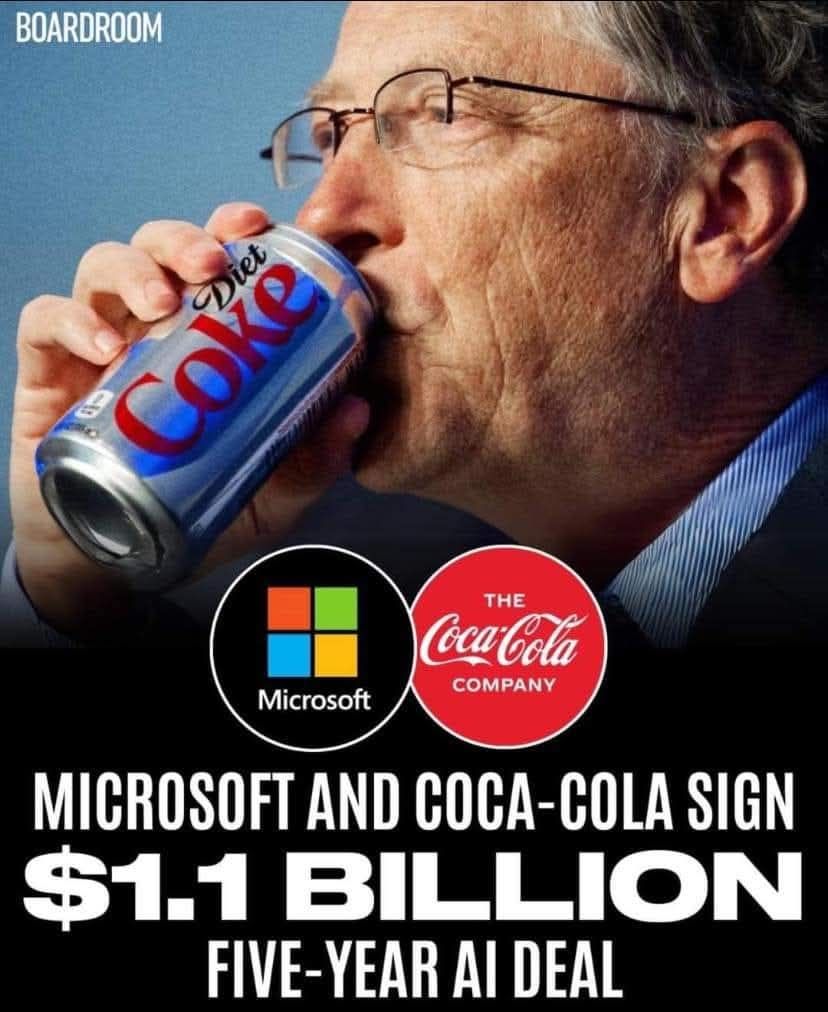
No vitamins, even the most expensive premium ones, can neutralize the harm from regularly consuming ultra-processed foods, synthetic oils, and hidden chemicals.
The foundation of health is always whole, minimally processed food.
Cleansing the diet:
The main step toward recovery is not buying supplements, but removing products with long lists of chemical ingredients, trans fats, and artificial flavorings from your diet.
Always evaluate the composition, the purity of the raw materials, and the real medical necessity of a specific nutrient, not the marketing slogans.
A huge number of popular, originally independent ‘clean’ vitamin and supplement brands now belong to transnational giants.
Supplement brands are acquired either by mass food and fast-food producers or by the largest pharmaceutical corporations. Here are the most striking examples:
Nestlé Health Science
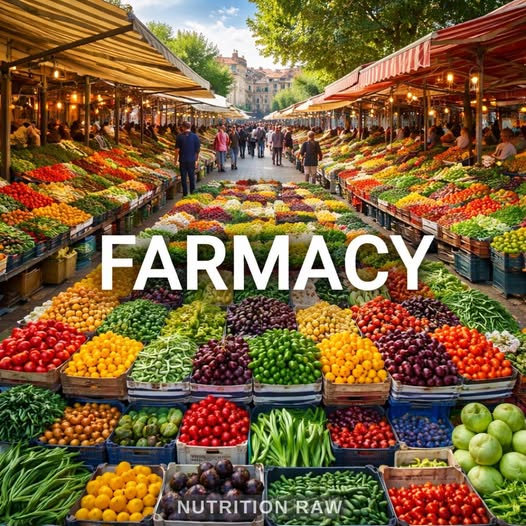
The Swiss giant Nestlé, the world’s largest food manufacturer, has also bought up top premium vitamin brands:
Solgar, one of the oldest, most respected, and expensive vitamin brands in glass jars was acquired by Nestlé as part of the purchase of The Bountiful Company.
Garden of Life, positions itself as a brand of ‘raw,’ fully organic vitamins from natural plants. It is fully owned by Nestlé.
Pure Encapsulations, hypoallergenic, high-purity supplements often prescribed by functional medicine doctors. And, also part of the Nestlé conglomerate
Puritan’s Pride and Nature’s Bounty, popular mass-market supplement brands now generating profit for the food giant.
Unilever
The British multinational known for household chemicals, Dove, Axe, Lipton tea, and Knorr soups, is actively buying ‘trendy’ health brands:
OLLY. Popular gummy vitamins.
SmartyPants Vitamins promotes ‘clean formulas’ and ingredient transparency. Nutrafol, expensive, popular vitamin complexes for hair loss. Onnit, a well-known American brand of sports supplements and nootropics for brain performance.
Bayer
The German chemical-pharmaceutical corporation Bayer, known for heavy drugs, antibiotics, agricultural pesticides, and GMOs, also controls a huge share of the pharmacy vitamin market:
One-A-Day, popular multivitamin in the US.
Berocca and Supradyn, effervescent ‘energy’ vitamins found in almost every pharmacy.
Procter & Gamble (P&G)
The global giant of household chemicals and personal care is buying up brands focused on gut health and supplements:
New Chapter, a premium American brand specializing in natural fermented herbal vitamins.
Seven Seas, a popular British brand (fish oil, joint vitamins), was acquired from Merck.
Otsuka Pharmaceutical (Japan)
The large Japanese pharmaceutical company acquired pillars of the American supplement market:
Nature Made, one of the best-selling and most accessible basic vitamin brands in US pharmacies and supermarkets.
MegaFood, whole-food ‘farm-to-tablet’ natural premium vitamins.
In the end, a perfect self-sustaining economic system is formed:
Food divisions (Nestlé, Unilever) sell refined sweets, instant soups, sauces, and convenience foods packed with E-additives and trans fats.
Nutraceutical divisions of the same companies sell ‘organic’ supplements, detox capsules, and probiotics to consumers who want to cleanse themselves from the effects of the modern diet.
Pharmaceutical divisions (Bayer, Otsuka, etc.) receive the patient at the final stage, when surrogate food has led to diabetes, vascular plaques, or metabolic syndrome requiring lifelong medication.


THANK YOU FOR SHARING OUR STORIES ON SOCIAL MEDIA. TELL OUR READERS WHAT YOU THINK
GO FROM BURN OUT TO CHILL OUT WITH A GOOD BOOK
https://michaelwalshbooks.wordpress.com/

Share this:

Categories: healthcare



Don’t eat the goyslop! It doesn’t take that much longer to eat right.
At the grocery the outer aisles are usually safe.
Over 300 for the first stroke, now 180 with a heel & toe walkabout across several subdivision sectors after every meal.
Supplements you should know why you are taking them.
Turmeric and beet root are most important for me.
Fast Frankenfood is not fit for humans, avoid.
LikeLiked by 1 person