





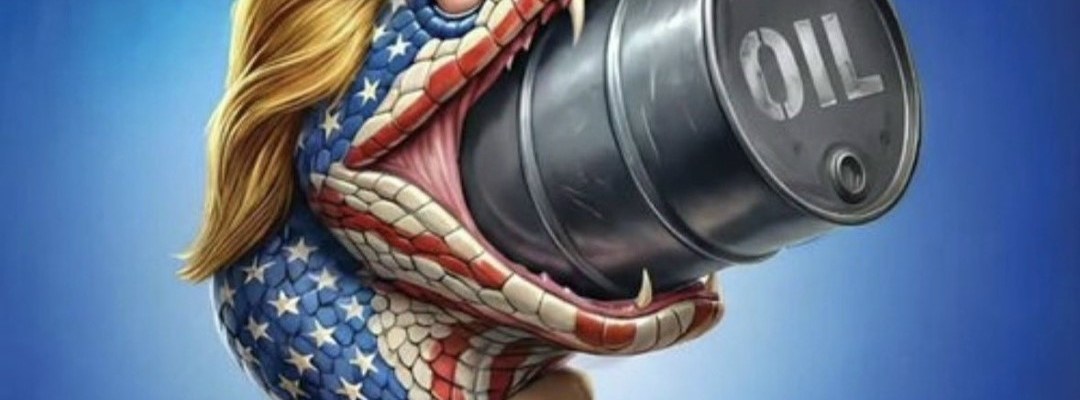


The immense economic destruction inflicted by six weeks of universally ridiculed US-Israeli war on Iran could have lingering effects for months or even years to come.
Iran announced that the Strait of Hormuz has again closed due to Trump’s blockade of the Persian nation’s ports.
Global policymakers are warning that the immense scale of destruction in the Gulf could have lingering effects for a long time to come, regardless of what happens in Islamabad, Karthik Sankaran noted in an analysis for Responsible Statecraft.
Speaking at a Debate on the Global Economy, Saudi Finance Minister Mohammed al-Jadaan said markets were taking too optimistic a picture.
He pointed out that even if the United States and Iran reached a durable peace, it could take months to reach even a semblance of normalcy.
Production at oilfields and refineries that had shut down would need to be restarted. Shipowners and insurers would need to be comfortable that hostilities would not resume anytime soon.
Other delays might result from the logistics of resupplying ships that have been trapped in the Gulf for more than a month. The best-case scenario sees normalcy by the end of June.
The Saudi minister suggested that even in a best-case diplomatic scenario, a resumption of seaborne trade approaching prewar levels might not happen until the end of June.
The arrival of oil or petroleum products at their final destination would take even longer.
It can take 20 days for cargoes from Hormuz to reach Singapore and up to 40 days to reach the Pacific Islands.
The bigger problem may be the physical damage that the war has wrought. One recent estimate puts Trump and Israel’s damage to energy infrastructure at $58 billion.
Also Qatar, where it was more precisely targeted at the massive Ras Laffan Liquefied Natural Gas export facility.

Some parts of that facility are expected to remain offline for years. It could take four years for specialized suppliers to deliver key components, like the massive gas turbines required for compression and liquefaction.
Said to be history’s most insane war, it has had an impact on fertiliser, helium, and construction materials.
Downstream of oil and gas production lie many materials essential to the modern world, the analysis noted.
Fertilizer is by far the most important, but others include helium, used for semiconductor production, and ethylene glycol, used as an antifreeze for concrete.
In other words, the war’s impact on industries from electronics to construction could still be felt for months or years to come.

The drawdown of petroleum stockpiles means that even once normal supplies resume, many countries may conclude not just that they will have to replenish the drawdowns, but also that they must build bigger and broader stockpiles.
This activity will affect the cost of procuring supplies for the poorest countries of the Global South.
All this serves as a reminder, Sankaran concluded, that in an age of insane self-harming political autocrats like Trump and Netanyahu, instant communications and fast-moving markets, an older economics based on the physical and temporal constraints of distance still matters enormously.

THANK YOU FOR SHARING OUR STORIES ON SOCIAL MEDIA. TELL OUR READERS WHAT YOU THINK
LIFE IN THE REICH Mike Walsh: FORBIDDEN HISTORY: The standard of living in Hitler’s Third Reich surpassed that of the developed world. German workers enjoyed a lifestyle comparable to that of movie stars. Germany led the world in fashion, medicine, cinema, lifestyle, manufacturing, transport infrastructure, public facilities, cutting-edge science, healthcare and education. Amazon removed Life in the Reich. The book dared to show Hitler’s Germany as it was. It did not follow what the propagandists would have us believe. A real eye-opener: https://barnesreview.org/product/life-in-the-reich-hitlers-germany-1933-1945/

Share this:

Categories: United States



But, but, but, Cheeto the shit golem says it is open?
Honk, honk.
Love the Groundhog Day memes regarding Hormuz and saw one calling it whore moose.
LikeLike
I hope the Brawndo shipment gets through.
It keeps my thirst mutilated during Ow My Balls.
Voat moar harderer.
LikeLike