
The Parade Ground
There are many stories and myths associated with the significance and evolution of Parade Grounds, the truth can often be the simpler.


There are many stories and myths associated with the significance and evolution of Parade Grounds, the truth can often be the simpler.
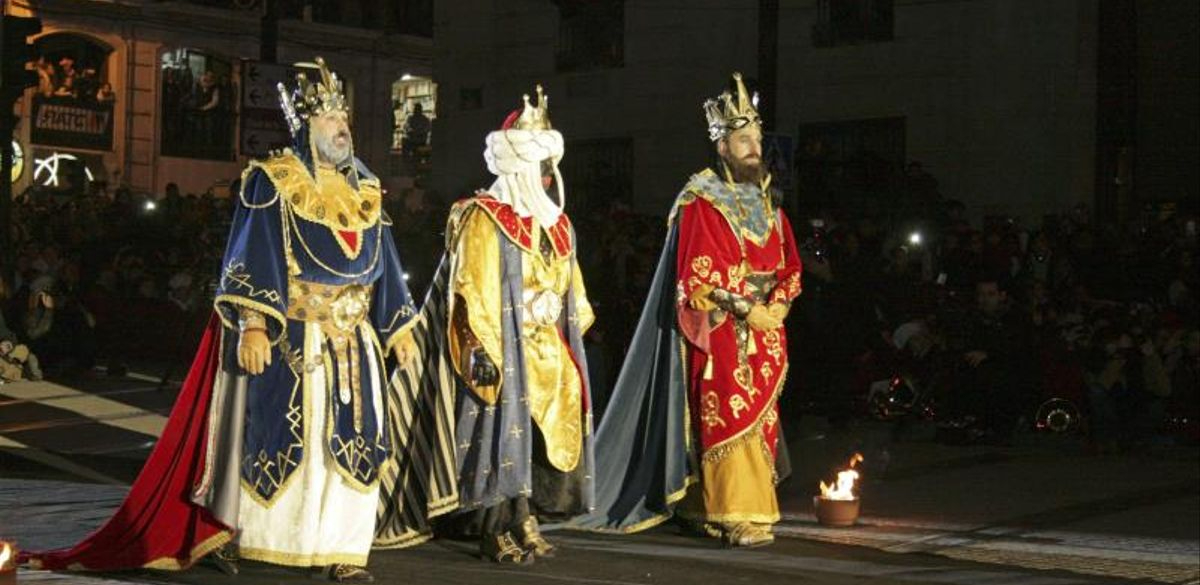
January 6th is a very important holiday in Spain as the entire country celebrates the Epiphany, or Dia de Los Reyes Magos. On the eve of Epiphany (January 5th), every city, town, and village prepares for the arrival of the Three Kings of the Orient by organizing various processions and fiestas, including the famous La Cabalgata de los Reyes Magos, an exciting parade and a cultural experience in its own right.

It was Oscar Wilde who said that anyone who doesn’t judge by appearance is a fool. Well, Oscar, I hate to disagree with a fellow Irishman but the latter comment doesn’t necessarily hold water. We do judge on appearance, which is not to our credit. Furthermore, such an attitude doesn’t add credit to one’s bank account.

The ancient Spanish city of Salamanca, situated on the banks of the River Tormes, is one of the oldest university towns in Europe with a rich and elegant collection of Renaissance, Roman, Gothic and Baroque monuments. Among them are two majestic cathedrals built between the 12th and 18th centuries. The New Cathedral, constructed between the 16th and 18th centuries, features late Gothic style with a Baroque styled cupola. The cathedral’s vaulted stone ceilings contain graceful paintings and its sandstone walls are intricately carved. But one element is peculiarly out of place and out of time.

The old city of Segovia, about 90 km north of Madrid, is best known for its aqueduct, but this historic city is full of architectural curiosities, such as the ornamental façades and geometric textures on the walls of many of the houses, the strangest of which is Casa de los Picos, or the “House of Peaks”. The façade of this house is covered entirely by granite blocks carved into pyramid-shaped reliefs. There are more than six hundred pyramids jutting out of the walls giving the impression of a giant cheese grater.
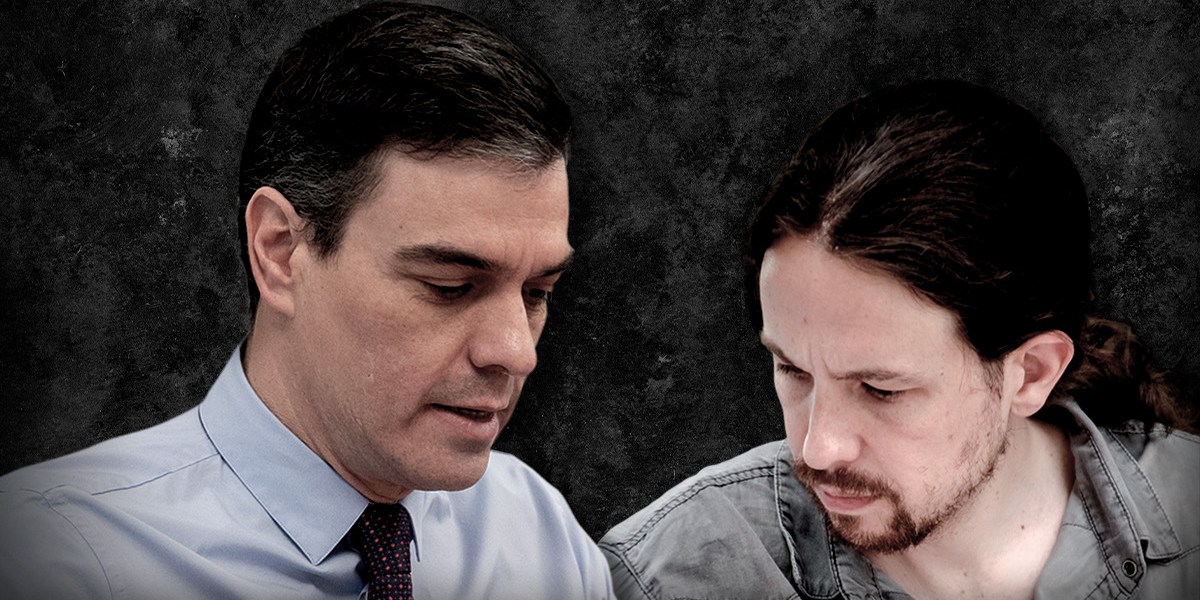
VOX PARTY SPECIAL REPORT: The massive landings of immigrants in our national territory are representing one of the main problems for our country and specifically for our State Security Forces and Bodies, who are overwhelmed by the number of arrivals.

Once, while at the Royal Spanish Academy in Rome, I tried to give lectures, but one woman constantly blinded me with a camera flash, which prevented me from concentrating on my notes. I said that while I was working, they should stop working, because of the division of labour. The woman turned off her camera but clearly felt pained.

Throughout Europe there is rising ethnic-identity awareness, a cultural revolution that rejects the multi-cultural sub-culture not of Europe’s own. Renewed enthusiasm for national identity expressed through music perhaps lies behind the recent craze for Portugal’s Queen of Fado, Amalia Rodrigues (1920 ~ 1999). The blues singer‘s fame once eclipsed that of the iconic French soul-singing waif Edith Piaf and that of Nana Mouskouri of Greece.

The Spanish Civil War raged between 1936 and 1939. The Spanish conflict, rather than the Reich’s pre-emptive strike on threatening Poland, is said to have sparked World War II.
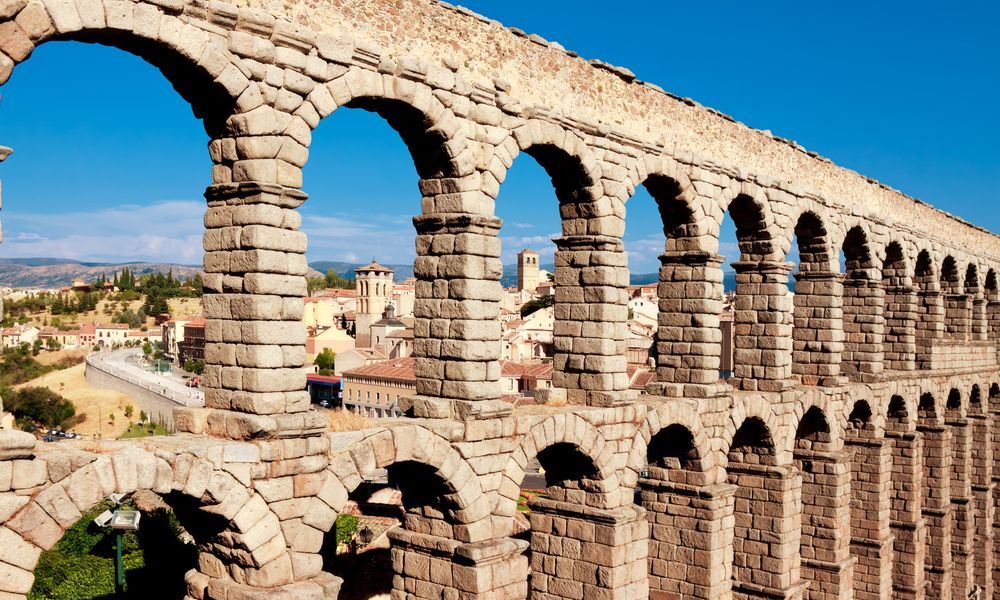
The aqueduct of Segovia is a classic example of Roman water transport architecture—simple in design, yet magnificent to behold, and surprisingly durable. The aqueduct was built in the 1st century AD to convey water from Frío River, 17 km away, to the city, and it has been carrying out this function in one form or another for the past 2,000 years. This is all the more impressive when you realize that this aqueduct was built without a single ounce of mortar.



 Michael Walsh Stories and Books
Recent Comments