
According to the story, Unsinkable Sam survived the destruction of three warships in World War II and lived happily until 1955. A pastel portrait of Sam (titled Oscar, the Bismarck’s Cat) by the artist Georgina Shaw-Baker is in the possession of the National Maritime Museum, Greenwich.
Today, there is a growing fascination for what is now recognised as the zenith of Britain’s 400-year-old merchant marine, the vessels and great shipping companies of the past, and especially of the seafarers and their then way of life.
The MV Britannic was the largest motor vessel ever built when she was launched in 1930. She was the last liner to carry the livery of the White Star line until her final voyage to the scrapyard in 1960. She was also why I fell in love with ocean travel and the great liners of the 1930s.
The radio operator reported the following: ‘SOS from Ourang Medan. A team of nine people, please help. The captain is dead, probably dead, and the other crew members, and after a minute, another signal came: ‘I’m dying.’
The foreign soldiers would have arrived ‘in the hours immediately following’ the shipwreck, ‘within 24 hours’, and were most likely looking for data relating to Lynch’s activity with the cybersecurity company Darktrace.’
From the comparative safety of the liner’s wheelhouse, I tried with difficulty to hold the vessel on its course as the distressed vessel reared into the 100 mph-plus shrieking winds. Total focus was needed as like a cork in a storm the cargo vessel head-butted each massive oncoming wave.
His remarkable feat caught worldwide attention. National Geographic chronicled his adventures, millions followed his progress, and his story was later told in the book and film ‘Dove’ – named after his beloved sailboat.
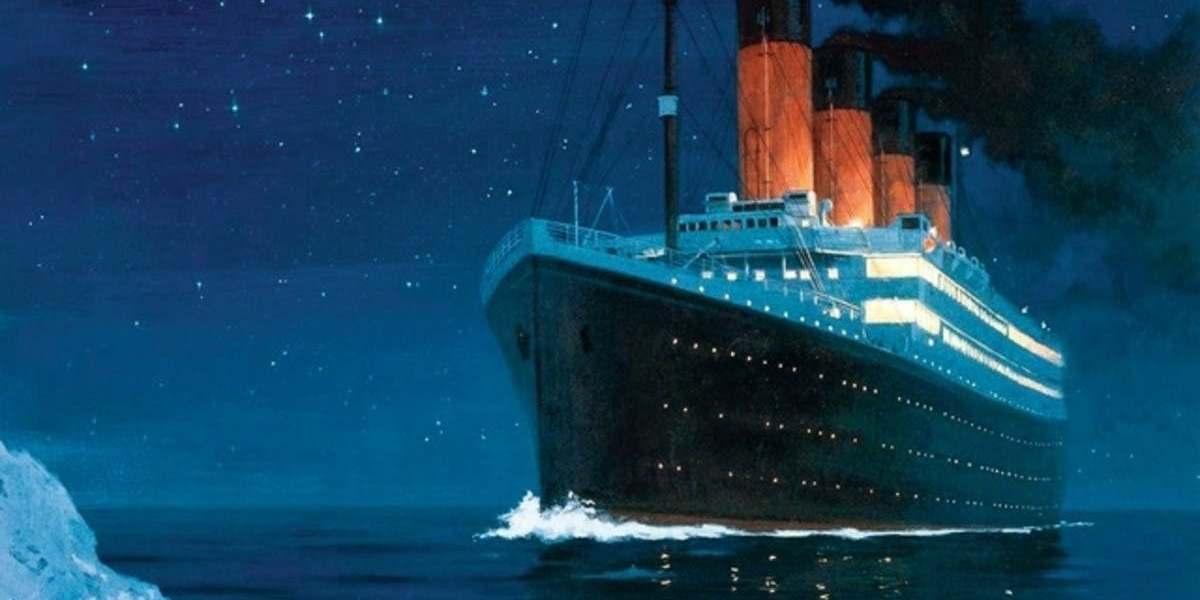
As the little Cunarder passed the Ambrose Light, she was gradually surrounded by every type of small craft imaginable, all keen to see, despite the rain, the ship that had brought back the last remnants of the Titanic’s maiden voyage.
The absence of a crew in innovative vessels reduces costs, improves performance and increases reliability. The design perfectly withstands long-term wear and tear, allowing the ships to remain stealthy and resilient to threats.
Meanwhile China tests all-seeing ocean monitoring: 14 years in development. The technology can detect ships at any time of day or night, even in extreme weather conditions. There are no problems with blind spots or blurred images.
Recent Comments