REMEMBRANCE SUNDAY
I make no apologies for spurning the pomp and pageantry that bull-horns Remembrance Sunday. There is much about the war that knows no political or national boundaries; war is a monument to human frailty, not strength.
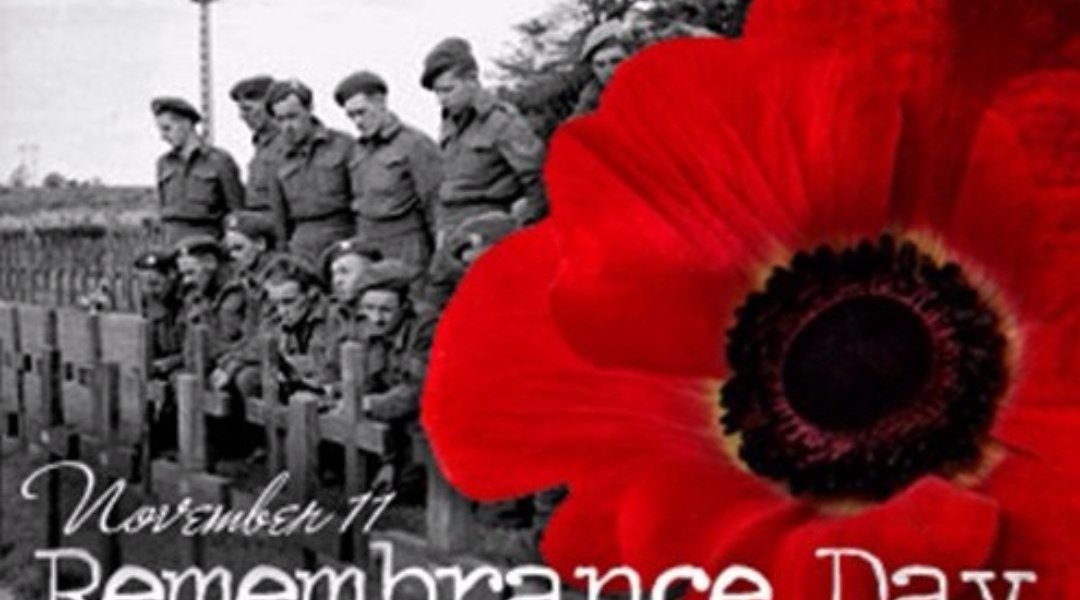
I make no apologies for spurning the pomp and pageantry that bull-horns Remembrance Sunday. There is much about the war that knows no political or national boundaries; war is a monument to human frailty, not strength.
Remembrance Day was originally intended to remind us of the futility of war. The 11th hour of the 11th day of the 11th month marked the time the Armistice was signed at the end of WWI, or, as it was known at the time, The Great War, the war to end all wars.

WHY DO WOMEN WEEP
She wept again this afternoon,
I’ve no idea why,
A woman who seems happy,
So often needs to cry,
There seems to be no reason,
Her eyes should fill with tears,
Perhaps she’s looking back at life,
Or dreads the coming years?
Ours is no longer a conflict between Left and Right but a struggle between Right and Wrong; nationalism and globalism. ‘Globalism is already faltering.’ ~ (Sputnik International, June 11, 2017).

The Parting Glass is a great example of that special quality found in the best farewell songs, being able to combine joy and sorrow in a way that is both sad yet uplifting at the same time.
THE NATION OF THE DOWNCAST EYE
(Farewell Western Man) /
AT LEAST I TRIED my Irish poet Michael Walsh
MICHAEL WALSH is first and foremost an internationally recognised poet who prose has been compared to that of Leo Tolstoy, Rudyard Kipling, and Robert Service. His lyricism has received glowing tributes from leading figures in the theatre and literary world, commercial, and political life.
My new song “How Do We Keep Our Love” with lyrics by the wonderful British poet Michael Walsh-McLaughlin.
In a duet with a talented musician and actor Sergey Yakushev.
THE TRAIL BENEATH THE YEARS
(Farewell to Africa)
It was when the grind and grumble,
Of those wagons passed this way,
The colour-sergeant’s bark was never meek,
The sighing strain of steel,
That was bound fast to the wheel,
Was melody to rumble and to squeak.
Death and Transfiguration is neither poem nor soliloquy. The hour of midnight had long struck when my thoughts asked the question, what is it like to die? I was alone, the background to my whimsical notions was Richard Strauss’s musical-poem, “Death and Transfiguration”.



Recent Comments