











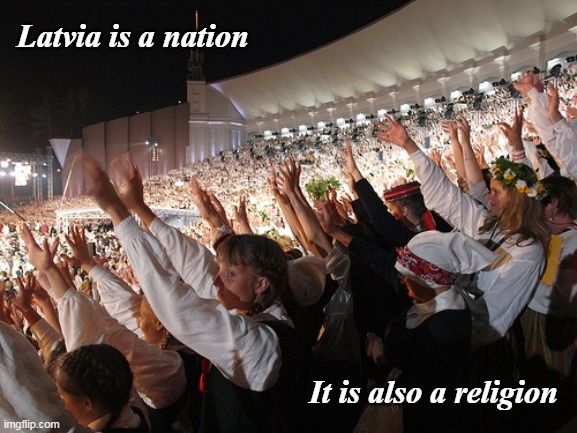
The short answer is that a ballad cannot change history, as real history cannot be changed. However, history is artificially perceived after being rewritten by the victors. As is often surmised: ‘History is the propaganda of the victors.’
However, a ballad can and often does influence the direction in which the making of history flows.
Throughout history, songs and ballads have often had remarkable political and social influence. Usually, they do not cause events by themselves, but they can crystallise emotions, spread ideas, and strengthen collective identity.
Some notable examples:

La Marseillaise (France) became a rallying song during the French Revolution. Its popularity helped symbolize the revolutionary cause and later became the French national anthem.
The Internationale emerged in the late 19th century and was hijacked by the labor movements and communist parties around the world. For decades, it served as a unifying anthem for political activists.
The Red Flag
The Bolshevik anthem, The Red Flag, was reworded by James Connolly, an Irish revolutionary. Originally, the ballad was Oh, Tannenbaum (Oh Christmas Tree), a German Christmas Carol.

We Shall Overcome
We Shall Overcome became deeply associated with the Communist-sponsored American Civil Rights Movement. Sung at marches, meetings, and demonstrations, it helped reinforce solidarity and resolve among activists.
Zulu
Nkosi Sikelel’ iAfrika was used by anti-apartheid movements in South Africa and became a powerful symbol of resistance. After apartheid (separate ethnic development) ended, it was incorporated into South Africa’s national anthem.
The Battle Hymn of the Republic
The Battle Hymn of the Republic became closely linked to the Union cause during the American Civil War and helped express the moral purpose many supporters attached to the war.
England
Lillibullero, a 17th-century political song, is sometimes cited by historians as an example of a song influencing public opinion during the upheavals that led to the Glorious Revolution in England.
The claim that it ‘sang a king out of three kingdoms’ is probably an exaggeration, but it shows the perceived power of political songs.
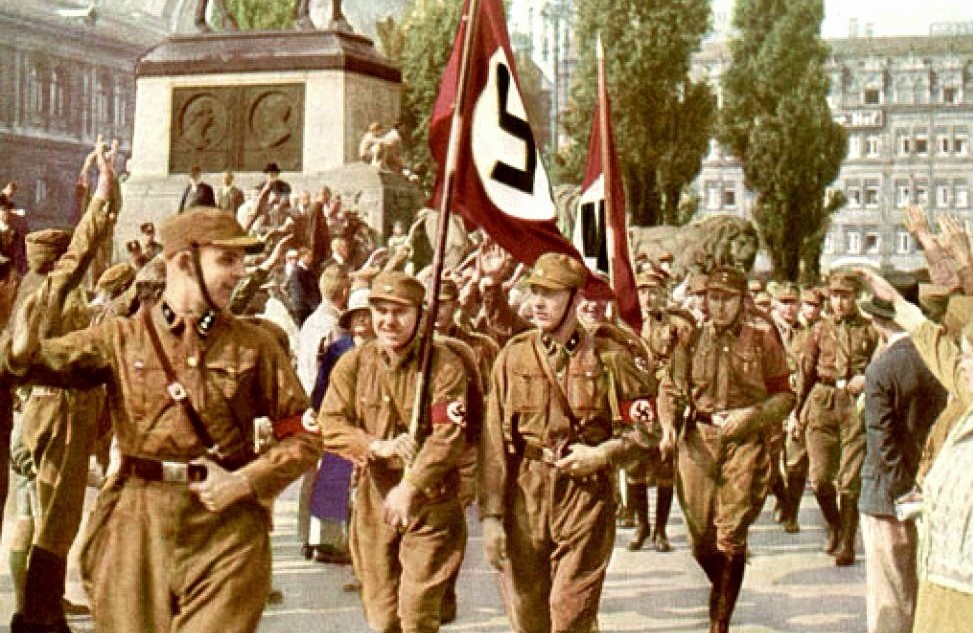
The Holy Reich
The Horst-Wessel-Lied fits into this broader category. Its significance was less musical than political.
The National Socialists used it to turn Horst Wessel into a martyr and to create a sense of unity and purpose among supporters.
Influence Yes
Songs rarely change history on their own, but they often become the emotional language through which people experience historical change.
In that sense, some of the most influential ‘ballads’ were not necessarily the best songs artistically. They were the songs that gave a movement, army, revolution, or nation a shared story and identity.

THANKS FOR SHARING WITH FRIENDS AND SOCIAL MEDIA
Share this:

Categories: Music Notes



 Michael Walsh Stories and Books
I love the Napoleon quote that history is an agreed upon set of lies.
LikeLike