






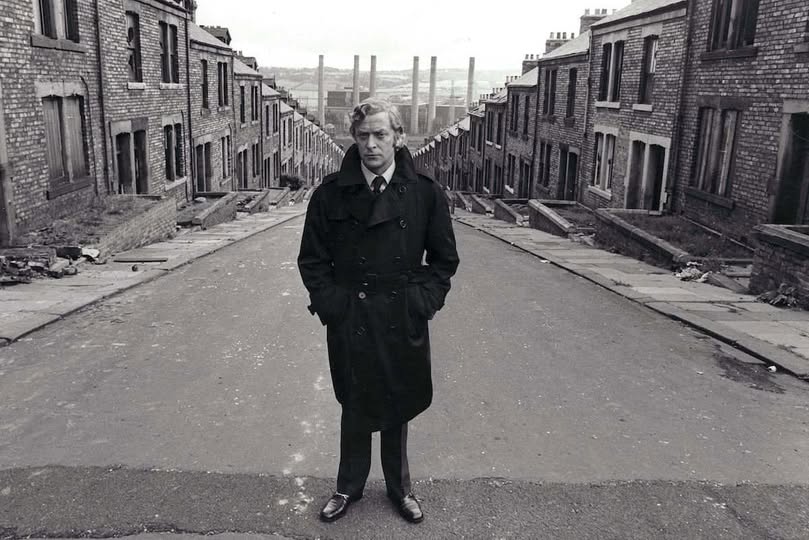
GREAT EUROPEANS: Michael Caine was almost out the door when the opportunity that would change his entire life came his way.
By the early 1960s, Caine had already spent years trying to make it as an actor.
He’d worked extensively in repertory theatre and picked up small film and television parts, but the breakthrough he had been waiting for still hadn’t arrived.
He was approaching 30 and certainly wasn’t anybody’s idea of a future international film star.
Then came Zulu.

Caine had been appearing in the West End when Stanley Baker, who was producing and starring in the film, suggested him for the role of Private Henry Hook. It made sense. Caine was a working-class Londoner and the part was a Cockney soldier.
But when he went to meet American director Cy Endfield at the Prince of Wales Theatre, he was told the bad news: James Booth had already been given the role.
Caine accepted it and started walking towards the door
Luckily for him, it was quite a long walk. Before he could leave, Endfield called him back and asked whether he could do a posh accent. Caine had spent years in repertory theatre playing all sorts of characters and assured him that he could.
Endfield had spotted something completely different in him. Caine was tall, slim and blond at the time, and rather than seeing the Cockney soldier Caine had expected to play, Endfield thought he looked like an officer.
Breakthrough
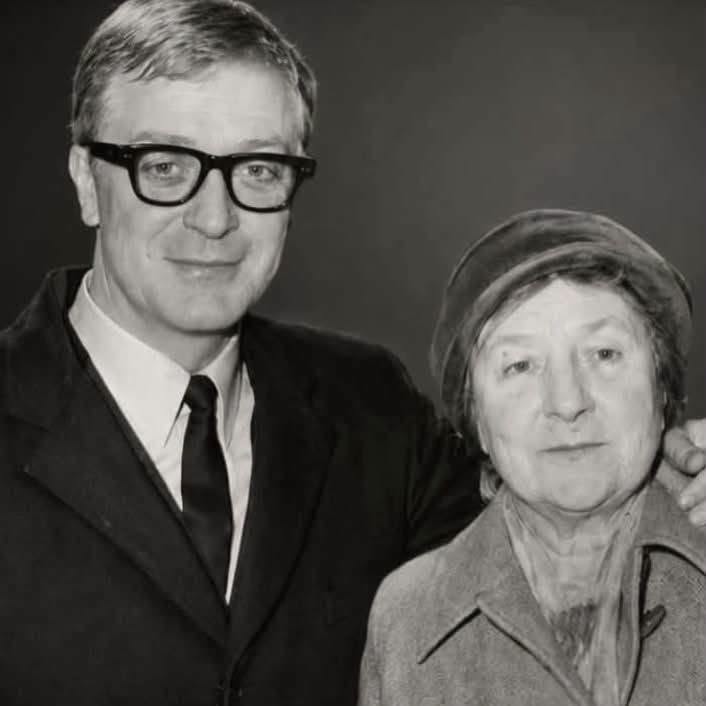
Suddenly he was being considered for Lieutenant Gonville Bromhead.
It was quite a leap. Caine later said he believed an English director at the time would never have considered casting somebody with his working-class background as an upper-class British Army officer.
Endfield being American, in Caine’s view, meant he wasn’t looking at him through quite the same British class system.
Even then, Caine nearly blew his opportunity.
His screen test went terribly. He was incredibly nervous, and Endfield later told him it was the worst screen test he had ever seen. Caine naturally assumed that was the end of that.
But there was a rather important second half to Endfield’s verdict: they were giving him the part anyway. The production was preparing to leave for South Africa, and they still hadn’t found the right actor.
Whoa! Stop!
Caine’s nerves didn’t immediately disappear once filming began, either. He later remembered his voice shooting up several octaves during his first take because he was so nervous that Endfield had to stop him and start again.
It’s difficult to imagine now when you think of the extraordinarily relaxed screen presence Caine eventually became famous for.
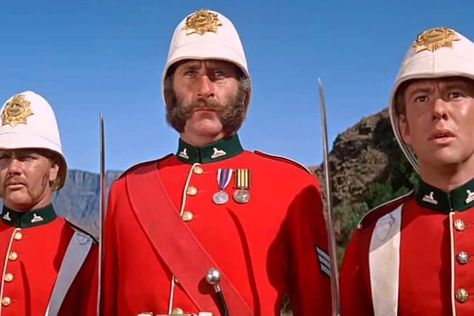
ZULU
Zulu was released in 1964, with Caine playing Bromhead opposite Stanley Baker’s Lieutenant John Chard.
It became the film that finally made people take notice of an actor who had spent the best part of a decade waiting for his chance.
And things moved quickly afterwards. His performance helped lead to The Ipcress File in 1965, followed by Alfie in 1966 and the beginning of one of the great British film careers.
A Bar’s Length

Caine always appreciated just how easily none of it might have happened.
Years later he joked: ‘My entire movie career is based on the length of the bar at the Prince of Wales Theatre.’
Had that bar been a little shorter, he reckoned he might have been through the door before Cy Endfield had the chance to call him back.
Sometimes a career really can turn on a few extra footsteps. Let readers know what you think

THANK YOU FOR SHARING WITH FRIENDS AND SOCIAL MEDIA
Share this:

Categories: Great Europeans



I like him in Children Of Men with Strawberry Cough cannabis.
The movie where the severed hand hunts him down is LOL and scary.
My favorite.
LikeLiked by 1 person
Micheal Caine is an Awesome actor!—One of my favorite English actors–always brings Class to every role he plays—How Fickle is the hand of Fate that sometimes effects major changes in our lives> I’m sure glad Enfield thought to put him in the role of “Bromhead”. Due to Caines Classy nature I always thought he was British upper crust. It was a shocker to find he was just regular Blue Collar London riff-raff. Zulu is still considered one of the Best War Movies of all time. God Bless Micheal Caine.
LikeLiked by 1 person