





- Arrest without warrant.
- Imprison without charge or trial: deny recourse to habeas corpus or court of law.
- Enter and search homes without warrant; with force, day or night
- Declare a curfew. Prohibit meetings, assemblies (including fairs and markets) and processions.
- Permit punishment by flogging.
- Deny claim to a trial by jury.
- Arrest persons if desired to act as witnesses. Forcibly detain them and compel them, under penalties, even if answers incriminate them. Such a person is guilty of an offence if he refuses to be sworn or answer a question.
- Do any act involving interference with the rights of private property.
- Prevent relatives or legal advisers from accessing a person imprisoned without trial.
- Prohibit the holding of an inquest after a person’s death.
- Prohibit the circulation of any newspaper.
- Prohibit the possession of any film or gramophone record.
- Arrest a person who does anything ‘calculated to be prejudicial to the preservation of peace and not specifically provided for in the regulations’.
- Arrest a person who ‘by word of mouth’ spreads false reports or makes false statements.
- Prohibit the circulation of any newspaper.
- Prohibit the possession of any film or gramophone record.
- Arrest a person who does anything ‘calculated to be prejudicial to the preservation of peace and not specifically provided for in the regulations’.
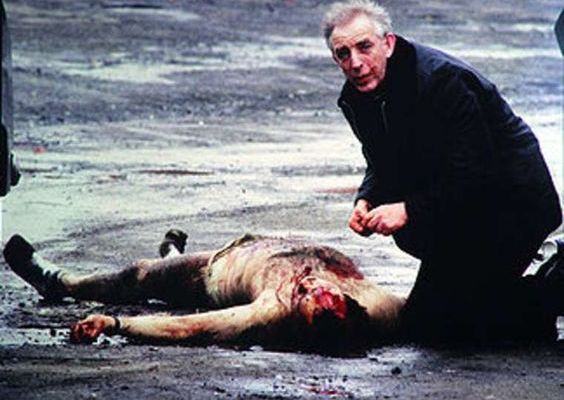
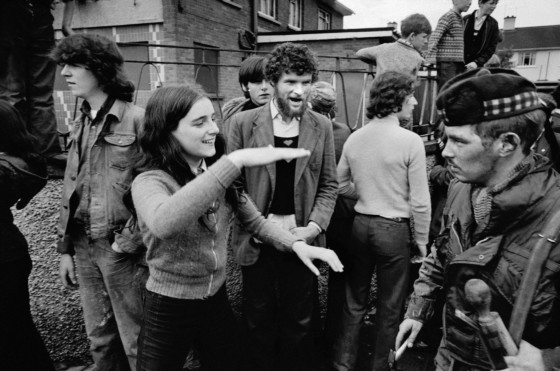
- It is, in fact, the British Special Powers Act 1922 – 1972 in Britain, Northern Ireland, which was not repealed until 1972.
- Let readers know what you think

THANK YOU FOR SHARING WITH FRIENDS AND SOCIAL MEDIA
Share this:

Categories: Britain



 Michael Walsh Stories and Books
New Man workers utopia.
No shirking, forward.
No contribution to the collective?
Please face wall now, comrade.
LikeLiked by 1 person