




.
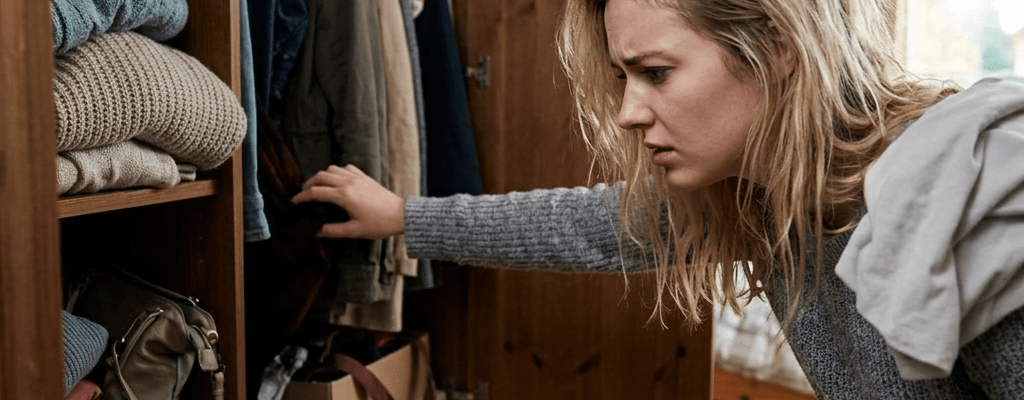
We all understand the extent of the influence that our clothes have on our image. Few people will go on a first date or an interview in a large company in sweatpants.
We realize that clothes create the first most important impression of us.
The right outfit can help you feel more confident when you need it most. It can serve as both armor and inspiration. Personal style is our body’s language. It reveals who we really are.
A well-thought-out personal style is also about self-confidence and the ability to feel truly beautiful in what we wear. Therefore, developing your own style that would tell the right story about you is extremely important.
However, already in the first stages of the search for the perfect wardrobe, many of us make the same mistakes. We talk about the most popular mistakes that women make on the way to their own style.
Mistake No 1: You focus only on trends
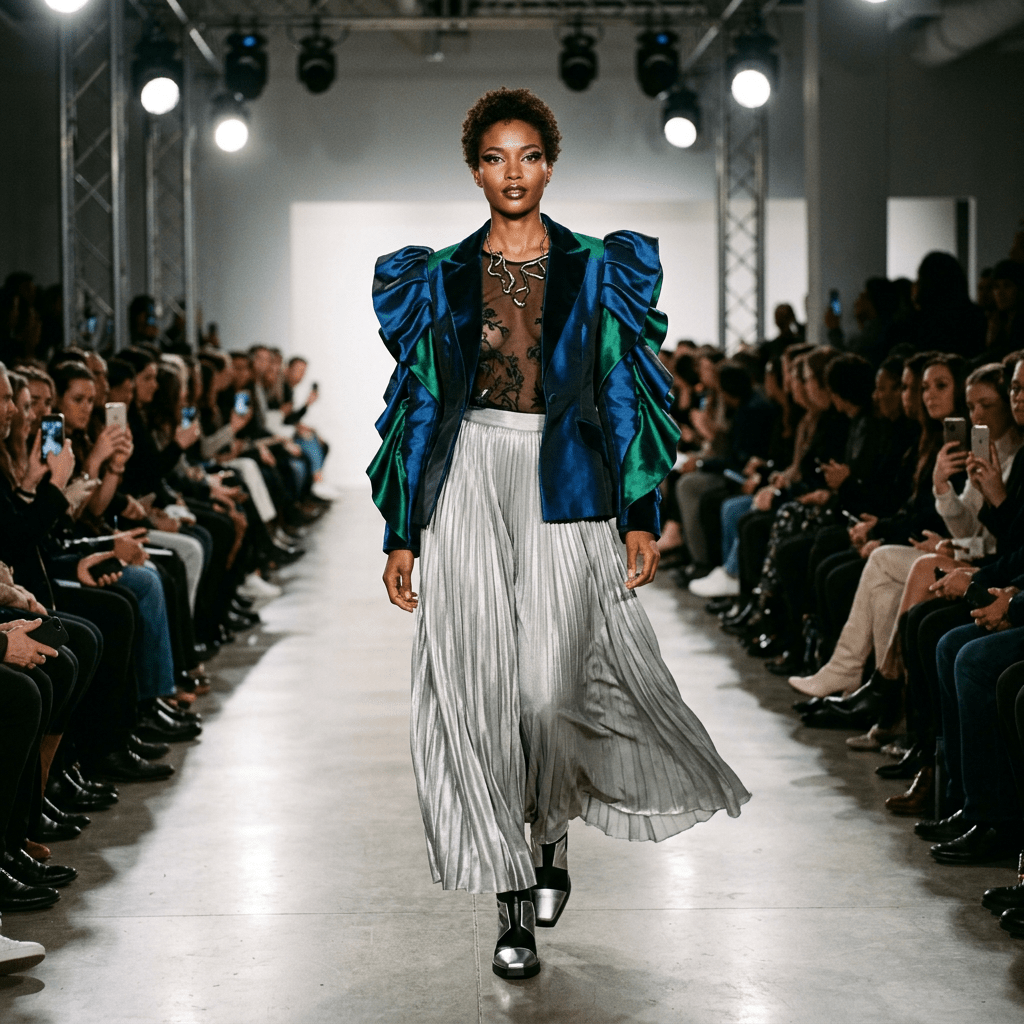
Of course, you can’t do without looking at the current trends. Catwalk looks are an excellent but exaggerated instruction on how to combine the same things in different ways.
Blindly following trends rarely helps. Seasons change along with current trends, and now you already feel that you have to replenish your wardrobe again and again, while the old things are not at all happy.
In truth, trends are the exact opposite of personal style. They only arise when huge masses of people start buying the same things. Forget about trends and focus on the things that really attract you.
Mistake No 2: Not Knowing Your Winning Stuff
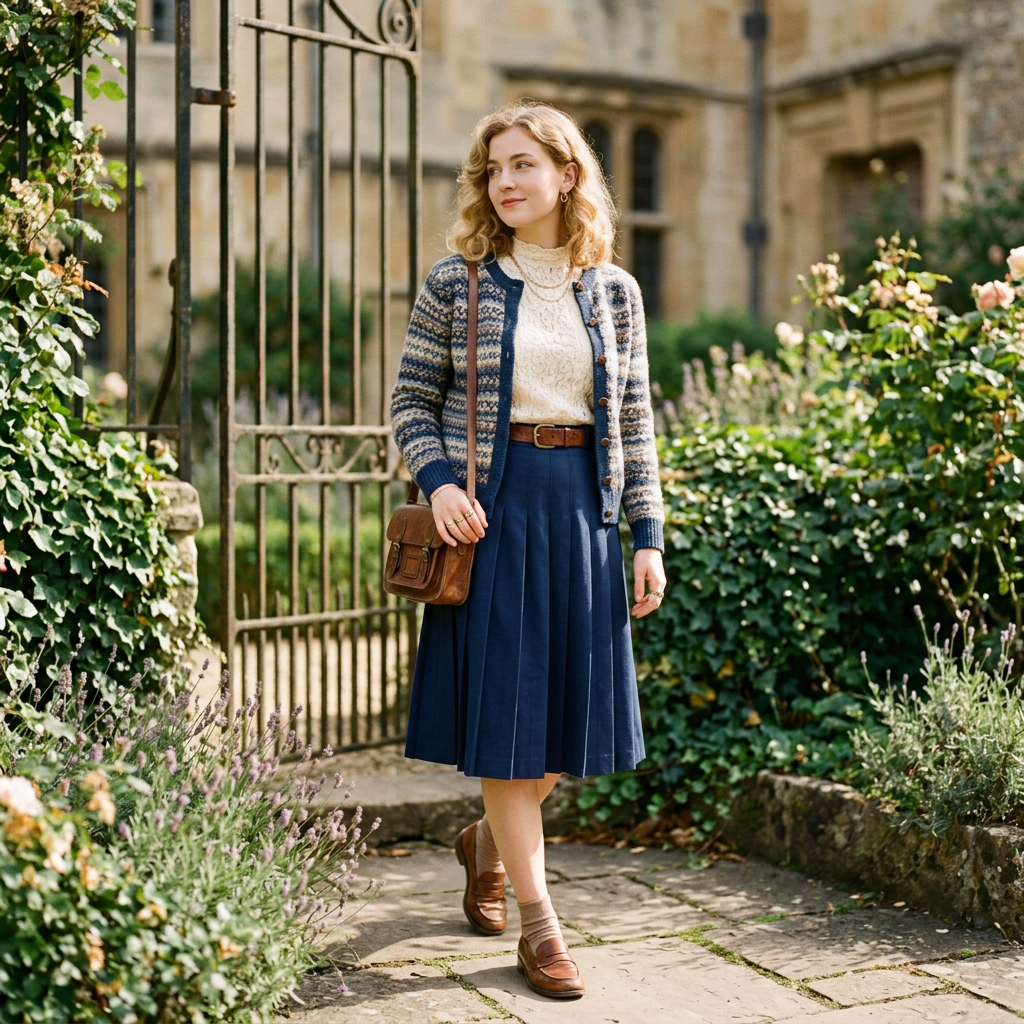
Following trends less and thinking more about what is unique to you and what is convenient for you is the most important mantra.
Agree, oversized does not suit everyone, just like fitted dresses in a vintage style are not suitable for every woman.
When looking at the lists of trends, always think about what reflects you personally and which things from all this variety really resonate in your soul.
Goals are also important; do you want to emphasize your figure or, on the contrary, do you feel more comfortable in loose outfits?
If, for example, you are as comfortable as possible in jackets, why not buy them in various colors and mix them with jeans, trousers, skirts and T-shirts according to your mood, getting completely different looks?
Mistake No 3: Basic wardrobe is a cure-all
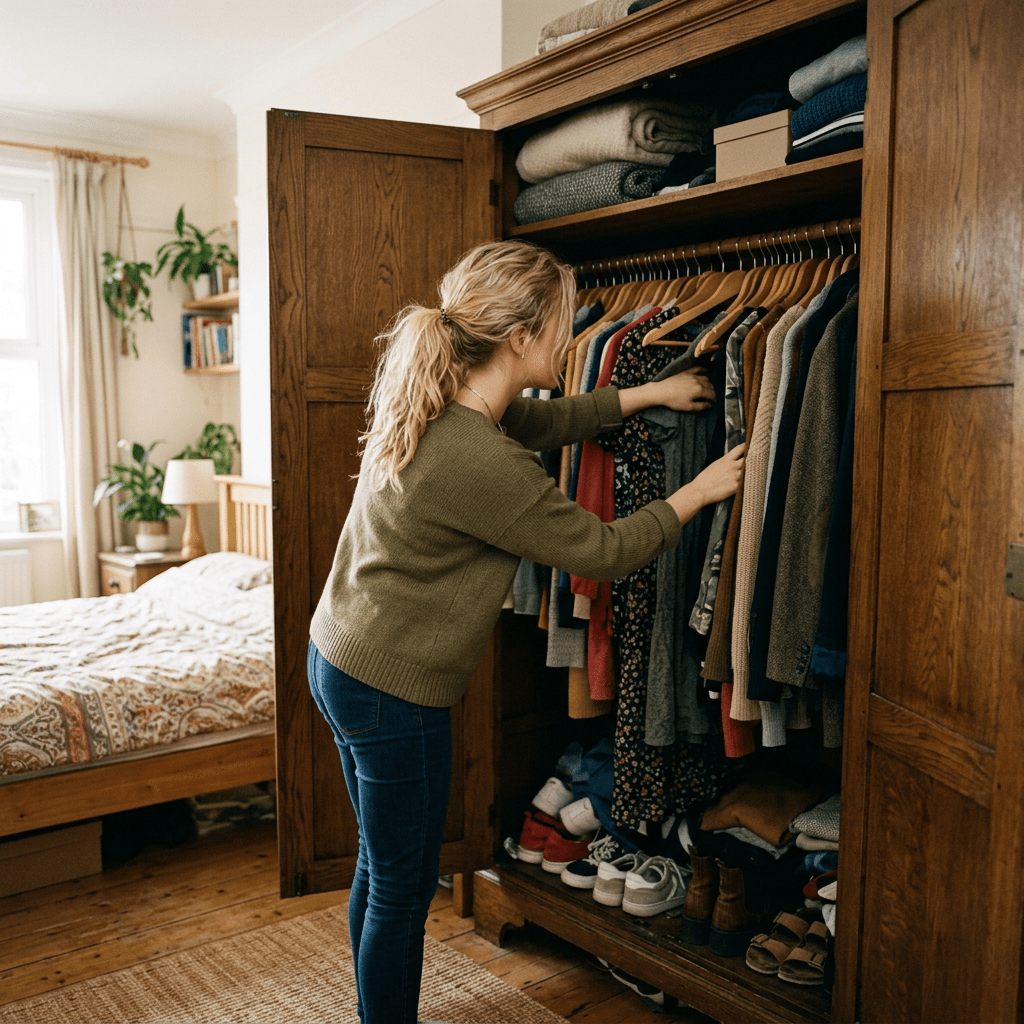
There is no such thing as a basic wardrobe. Some are more comfortable in jeans and trousers, while others are more comfortable in skirts and dresses. There is no universal list of things that will suit absolutely everyone without exception.
A style that doesn’t fit your lifestyle is a great way to spend money on clothes that you’ll never wear again in your life.
Because personal style is practicality, the chosen style must work in everyday life.
For example, if you work mostly from home, you won’t need dozens of office suits, shirts, and pants. Instead, think about what your own life and work are made of, and decide what things you need first.
You need to find ways to convey the same vibe in the things you’ll actually wear.

Mistake No 4: Don’t make a shopping list
One of the most common ‘I have nothing to wear’ causes is going shopping without any goal and a list of necessary things.
In shopping centers or online stores, we are offered a huge variety of all kinds of things for every taste. We begin to focus on fleeting emotions, and not on what we really need.
The euphoria from buying a new thing passes extremely quickly. It will be followed by regrets about the money and time spent on those things that remain forever buried on the shelves of the closet.
Mistake No 5: Don’t Review Your Wardrobe

A wardrobe revision will help you find your own style. Sorting through things from your wardrobe, you, firstly, remember what you already have in your arsenal
You have the opportunity to understand what is missing to complete the looks and make a useful shopping list.
Another bonus is that in the process of disassembling, you can shoot various combinations on your phone in order to later get a detailed guide with looks from your own wardrobe.
You will spend one day on a high-quality analysis of outfits, but then you will save a lot of time in the morning, because you will have a convenient assistant from galleries of stylish outfits at hand.
Mistake No 6: Afraid to deviate from the rules
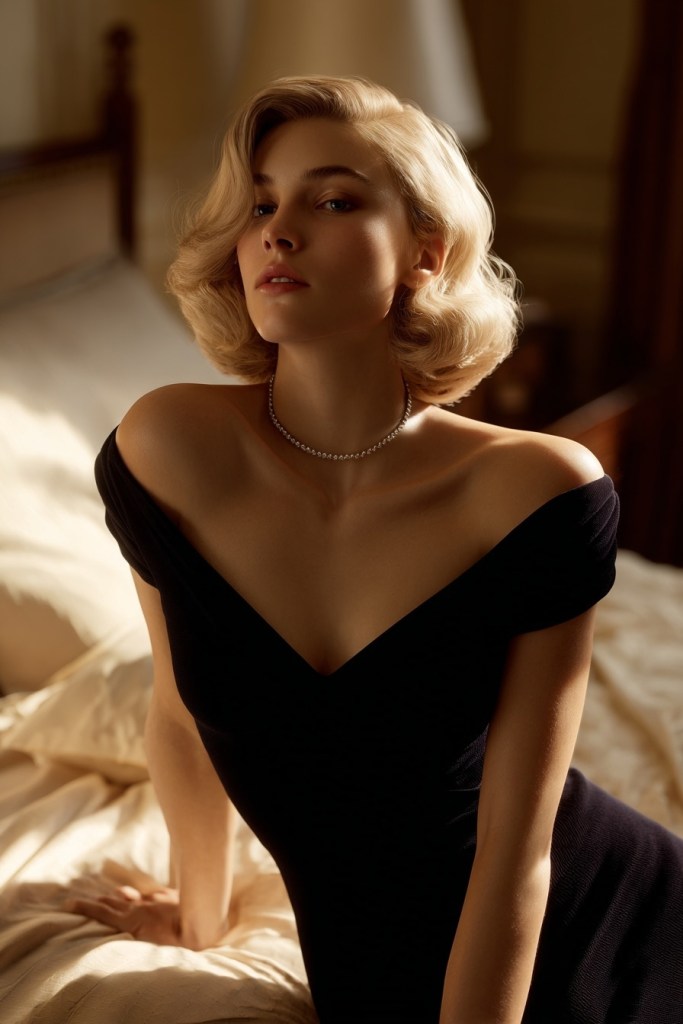
At the first stages, the most successful instructions for action will be the images of other people who inspire you. These are often fashion influencers or stars.
While your style should be unique to you, you should try out different outfits before realizing what reflects your personality and goals best.
However, it is worth copying at the beginning only for the sake of trying everything and choosing the best and most personal for yourself. Tell readers what you think


THANK YOU FOR SHARING WITH FRIENDS AND SOCIAL MEDIA
Share this:

Categories: fashion



More Than Fabric: Fashion as Identity Fashion is art, and you are the canvas.
LIKE THE BLACK BIRD IN THE RADICAL ISLAM THAT DRESS HEAD TO TOES COVERED , YOU DO NOT KNOW IF SHE OR MAN! (CHADOOR)
HIJAB IS ALSO CAN BE SEXY AS WELL, ALSO PROTECTING WOMAN AGAINST CANCER OF FACE , EARS, NECK….
Fashion is not just about fitting in—it’s about standing out. It’s a powerful form of self-expression that goes beyond trends.
Clothing allows individuals to convey their personalities, beliefs, and emotions without uttering a single word. How we dress speaks volumes about who we are and how exactly we want to be perceived by the world.
For many, fashion is a reflection of their inner selves. People may choose clothing that aligns with their values or aspirations—such as eco-friendly materials to showcase environmental consciousness or avant-garde designs to display individuality and creativity.
Social Media
In a world where social media increasingly molds perceptions, fashion is essential for curating a personal image that resonates with others.
Influencers and public figures carefully select outfits that express a lifestyle or identity, whether simplistic, sporty, minimalist, or vintage. It ranges from the simplest clothes to the most intricate—how they dress becomes an extension of their brand. Ultimately their unique styles influence their audience’s perception and inspire trends far beyond their immediate circles.
In this digital age, individuals now have platforms to broadcast their personal style to a global audience using fashion not just for self-expression but as a form of marketing. Their curated outfits help shape not only how they are seen, but also how they want to be seen by others.
When asked about the effects of social media on fashion, Nabil Majumber ’26 noted, “I think social media has a positive influence on fashion because it influences many people to express themselves within their own style. It introduces many styles of clothing, which help people find how to dress in a way that’s comfortable for them while styling in a way that’s cool to them.”
Fashion can also be a form of rebellion or a statement of belonging. Subcultures such as punk, goth, or hip-hop have used clothing for decades to reject mainstream norms and to signify membership within a particular group. These communities embrace fashion as a mode of resistance—using it to challenge societal expectations and showcase solidarity with others who share similar experiences.
For instance, the punk movement of the 1970s embraced ripped clothing, leather jackets, and bold accessories as a rejection of conventional fashion and an assertion of anti-establishment values. The aesthetic was intentionally harsh, characterized by exaggerated rips, chains, and unconventional colors, all reflecting the movement’s defiance.
The hip-hop community has long used fashion as a cultural expression, incorporating oversized silhouettes, streetwear brands, and bold jewelry to make statements about power, identity, and heritage. Hip-hop fashion became a way of reflecting street culture and a vehicle for social and political statements, particularly around race and class.
Cultural Impacts
Beyond subcultures, cultural identity also plays a significant role in fashion. Traditional clothing is a powerful symbol of heritage, allowing individuals to stay connected to their roots while expressing pride in their cultural background.
Many people wear traditional garments during cultural or religious events, reinforcing communal ties and providing a sense of belonging. In modern fashion, designers often integrate cultural influences into their work, creating a fusion of contemporary style and tradition, a beautiful representation of cultural appreciation, most of the time. This not only allows people to embrace their heritage but also fosters appreciation and awareness of diverse cultures on a global scale.
However, the blending of cultural elements in fashion also raises concerns about cultural appropriation, with some arguing that taking cultural symbols out of context can perpetuate stereotypes and undermine the meanings they hold for the communities from which they originate.
Self-Perception
Clothing can also influence how individuals perceive themselves. Wearing something comfortable or empowering can boost confidence and help people navigate different social environments. From a job interview to a casual outing, the right outfit can make someone feel more authentic and capable.
Psychological studies have shown that what we wear can impact our mood and performance—an effect known as “enclosed cognition.” For instance, wearing formal attire may enhance a person’s sense of authority and professionalism, while dressing in casual and relaxed clothing might foster a sense of ease and creativity. As seen in an experiment conducted by Hajo Adam and Adam D. Galinsky. In this experiment, a doctor was testing the difference in sustained attention based on whether or not they were wearing a lab coat. The overall results were that when wearing a lab coat similar to a doctor’s coat, the attention levels were extremely high, while the attention levels were really low when wearing a coat comparable to that of a painter.
This relationship between fashion and self-perception is especially relevant today, where fashion has increasingly become a form of psychological armor. Individuals wear specific clothes to boost their emotional well-being or to take on different roles, depending on the social context. This idea of “dressing the part” shows how fashion allows us to play with identity and interact with the world in ways that align with our desired image.
Gender Expression
Fashion is a crucial aspect of gender expression. For centuries clothing has been used to enforce rigid gender norms, dictating what is considered appropriate for men and women. However, as societal views on gender evolve, so does fashion.
The rise of gender-neutral and androgynous fashion challenges traditional binaries, allowing individuals to express themselves in ways that feel most authentic to them. Lots of designers and brands increasingly embrace inclusivity, creating clothing that transcends gender norms and celebrates individuality. The growing acceptance of fluid fashion choices signals a shift toward greater freedom in self-expression, where outdated conventions no longer confine people.
In this sense, fashion becomes not only an art form but also a platform for social change, by challenging the societal structures that limit self-expression. The emergence of high-profile figures, such as Harry Styles, embracing gender fluidity in fashion has brought much-needed visibility to these issues. Thus pushing the boundaries of what’s acceptable and celebrated in mainstream fashion. “What’s feminine and what’s masculine, what men are wearing and what women are wearing—it’s like there are no lines anymore,” said Harry Styles during an interview in 2019.
History
Furthermore, fashion responds to societal and historical moments. During times of political upheaval, economic hardship, or cultural shifts, clothing often reflects the changing landscape. A classic case is the 1920s flapper movement, which saw women abandon restrictive corsets in favor of looser, more comfortable silhouettes as a symbol of newfound independence. This shift in fashion was inextricably linked to women’s growing rights, such as the right to vote, and the broader social transformations of the time. Similarly, the rise of sustainable fashion today directly responds to increasing concerns about climate change and ethical consumerism.
Many people now prioritize second-hand shopping, slow fashion, and ethical brands that promote fair labor practices and environmentally friendly production methods. Fashion, in this sense, becomes a statement of personal values and collective responsibility. When asked about the specific influences of his fashion, Majumber said, “I feel comfort influences my fashion most because streetwear makes me feel like I’m at home. The baggy clothing gives the same comfort I get while I’m at home, relaxing.”
Sustainable fashion movements have also made consumers more aware of the environmental impact of their clothing choices, encouraging them to seek alternatives to fast fashion, which often prioritizes profit over ethical production practices.
Ultimately, fashion and identity are intertwined—our clothes don’t just cover us, they help define who we are and how we present ourselves to the world. Whether through cultural heritage, rebellion, self-perception, or gender expression, fashion remains a powerful tool for storytelling. Fashion at its very core allows individuals to communicate their identities, challenge norms, and celebrate their uniqueness.
As society continues to evolve, so will fashion, reflecting the ever-changing ways people define themselves and engage with the world around them. Fashion provides a means of connection to ourselves and the broader cultural movements and values that shape our lives. In this sense, fashion is more than just external adornment—it is an ongoing dialogue between the individual and society, constantly evolving, reflecting, and shaping the world in which we live.
LikeLiked by 1 person
https://veiled.com/
veiled look like EUROPA? tell us which kind of hijab is modern and which ones are outdated 1400 old? All links are scanned by virus total…
LikeLike