



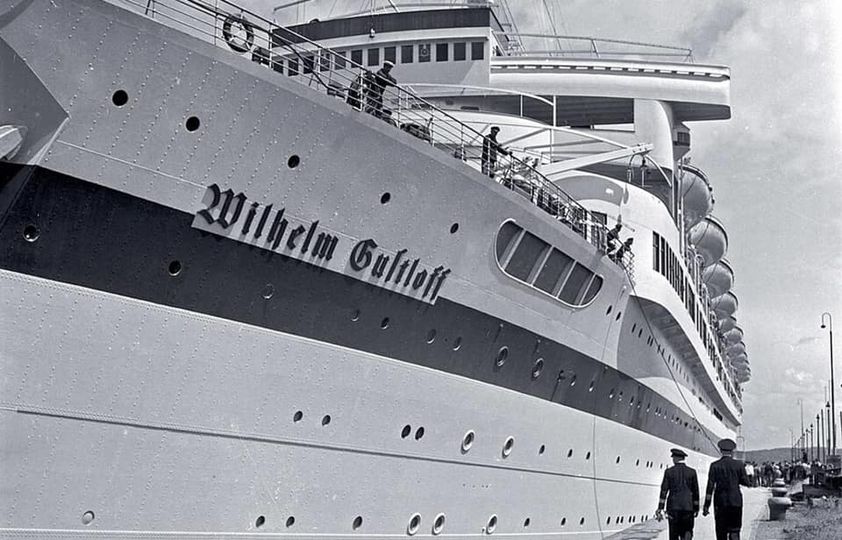
The wreck of the German ocean liner rests silently beneath the cold waters of the Baltic Sea off the coast of Poland. The stricken vessel is lying at a depth of roughly 40 to 50 metres.
Decades beneath the sea, combined with wartime damage, illegal looting, and postwar salvage operations, reduced the once-proud passenger liner to a shattered field of twisted steel and debris.
Large sections of the hull collapsed long ago into the seabed. Only fragments of the stern and scattered portions of the outer structure still rise from the darkness.
War Grave
Explosive salvage attempts carried out after 1945 caused additional destruction, tearing apart what remained of the vessel and accelerating its decay.
Today, the wreck is protected by Polish maritime law as an official war grave.
Diving, anchoring, and salvage activities are strictly forbidden within a 500-metre exclusion zone to preserve the site and honor the thousands who remain entombed within the wreck.
Strength through Joy
Originally launched in 1937 as a luxury cruise liner for National Socialist Germany’s Strength Through Joy program, the Wilhelm Gustloff was designed to carry civilians on affordable leisure voyages.
During World War II, however, the ship was converted for military use, serving at various times as a hospital ship, barracks vessel, and transport ship for German naval personnel.

Allies knew the vessel was carrying civilians
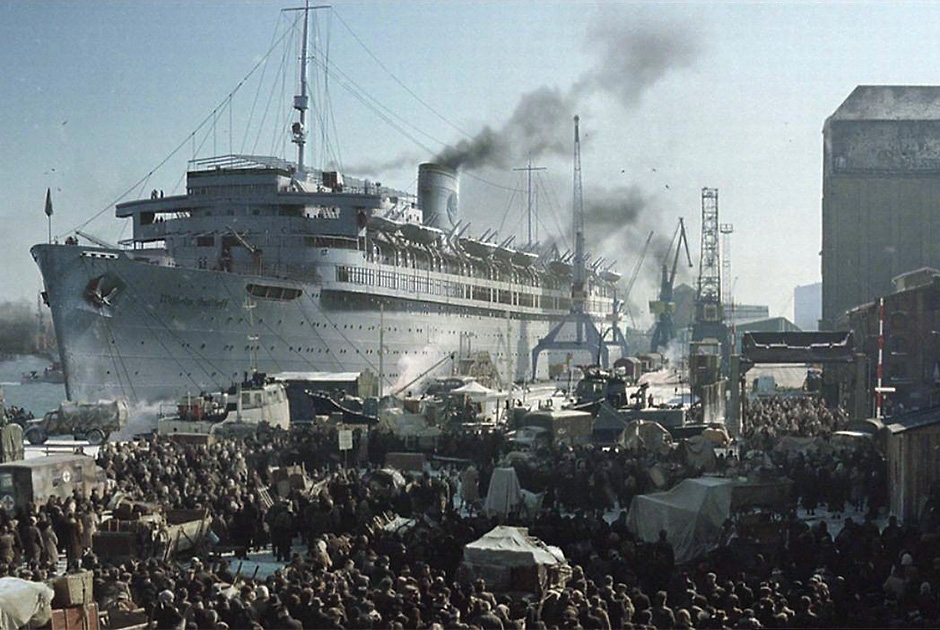
On the night of 30 January 1945, during the final chaotic months of the war, the Wilhelm Gustloff departed East Prussia overloaded with thousands of refugees, wounded soldiers, and military staff fleeing the advancing Soviet Army.The
British supplied the Red Army
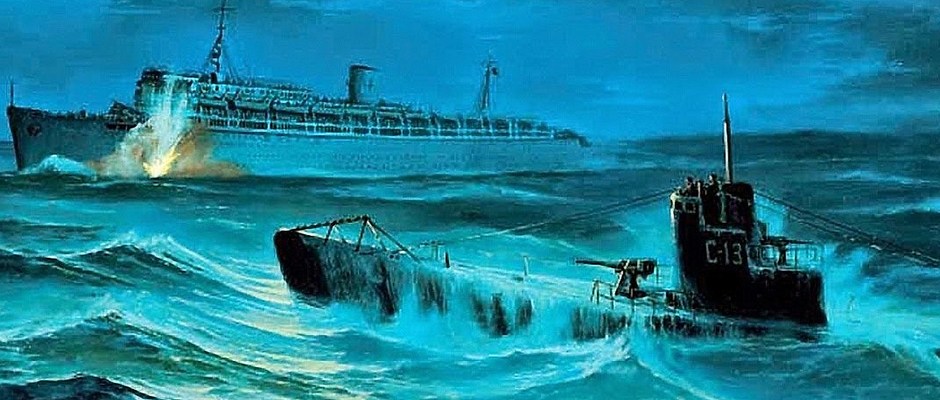
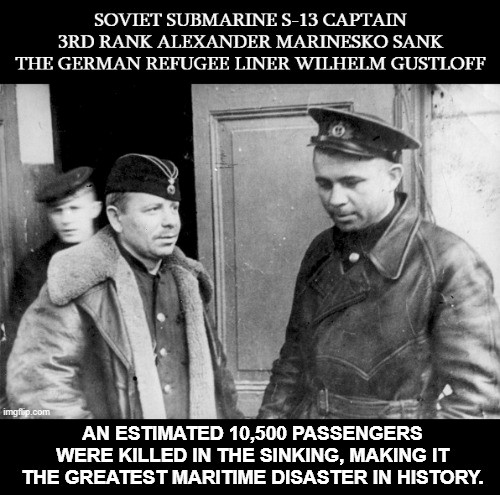
In freezing conditions on the Baltic Sea, the ship was spotted by the Soviet submarine S-13, commanded by Captain Alexander Marinesko.
Shortly after 9 p.m., torpedoes slammed into the crowded liner, causing catastrophic flooding and panic aboard the vessel.
Within less than an hour, the massive ship disappeared beneath the icy waters.
10,500 mostly civilians perished
Most of the 10,500-plus passengers had little chance of survival as lifeboats froze, corridors jammed with terrified civilians. Temperatures far below freezing killed countless people in the water within minutes.
Although the exact number aboard remains uncertain, historians estimate that nearly 10,000 people perished, mostly women and children.
Deadliest in History
The deliberate sinking occurred on January 30, 1945, when Germany was, to all intents and purposes, defeated.
This makes the sinking of the Wilhelm Gustloff the deadliest maritime disaster in history, far surpassing the losses of both the Titanic (1,500) and Lusitania (1,200).
Today, the wreck remains one of the Baltic Sea’s most haunting underwater grave sites. It is a silent and broken monument to the immense human suffering caused by war.
Hidden beneath dark, cold waters, the remains of the Wilhelm Gustloff continue to serve as a powerful reminder of avoidable tragedy, loss, and the countless lives consumed by the final days of World War II. Let readers know what you think.

THANK YOU FOR SHARING WITH FRIENDS AND SOCIAL MEDIA.
Share this:

Categories: Sea Stories



Had to look up one that said U-boat restoration and it was AI.
Chicago has the rare long range Type IX.
LikeLike