





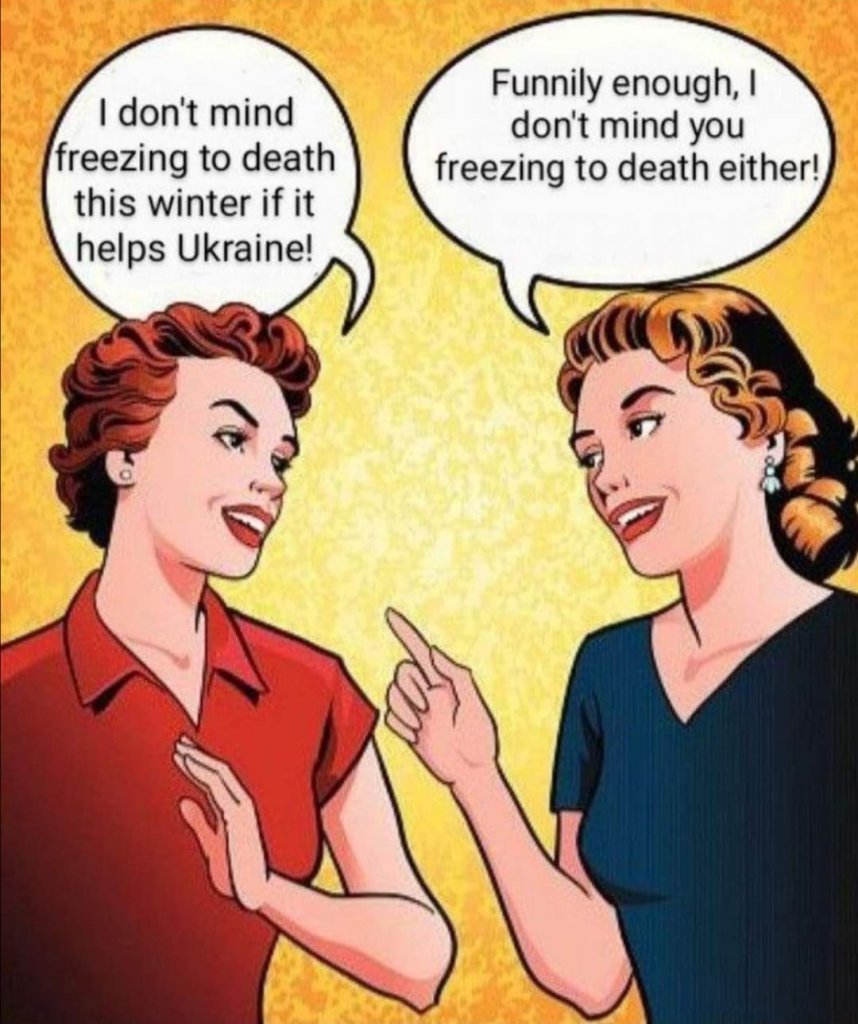
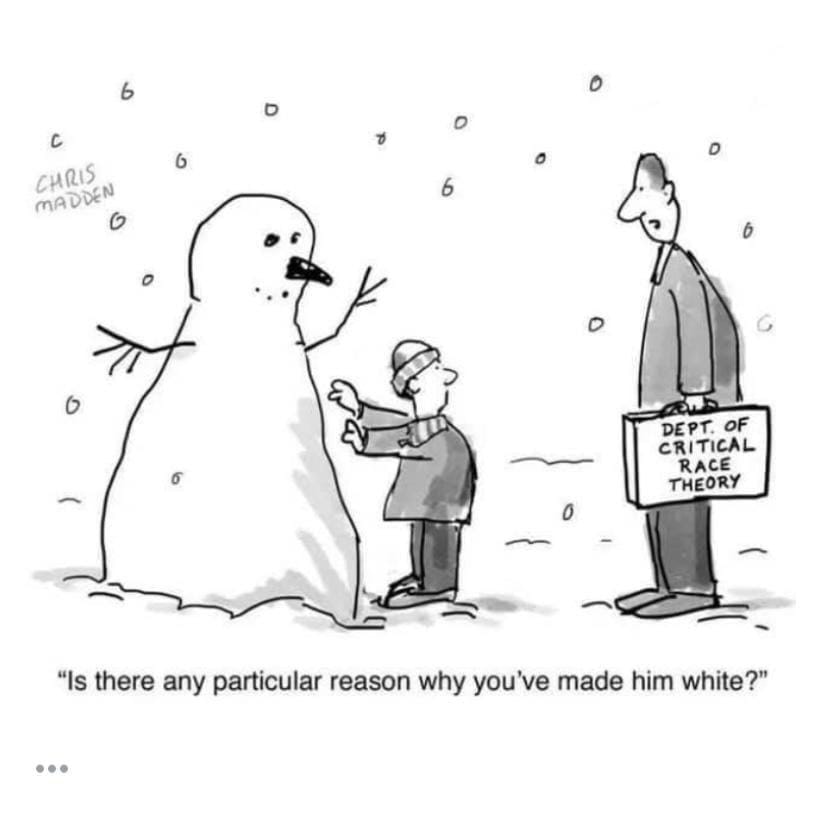
Long before the term political correctness had any meaning, there was a richness to riposte that is sadly lacking in today’s vernacular.
Long before the onslaught of political correctness and memes, those in the public eye often captured the headlines with a sneering wisecrack at an opponent.
Newspaper editors too risked their readers’ wrath with an occasional derisive comeback.
Lord Sandwich was scathing when he contemptuously addressed John Wilkes, editor of The North Briton:
‘Sir, you will either die on the gallows or of the pox.’ The newsman retorted: ‘That depends, sir, on whether I embrace your politics or your mistress.’
This exchange has been wrongly attributed to Gladstone and Disraeli. It was a time when the English language was an art form; when people could communicate with richness.

‘If you were my husband, I would give you poison,’ sneered Lady Astor to Winston Churchill. ‘If you were my wife, I would take it,’ he answered back.
Insulting witticisms must include Clarence Darrow’s: ‘I have never killed a man, but I have read many obituaries with great pleasure.’
If you think red-top tabloid crassness is a recent phenomenon, reflect on William Faulkner’s take on Ernest Hemingway’s writings:
‘He has never been known to use a word that might send the reader to a dictionary.’
The war correspondent’s retort was to the point: ‘Does he really think that big emotions come from big words?’
Pity the wretched author who received a memo from Moses Hadas. ‘Thank you for sending me a copy of your book. I’ll waste no time reading it.’
Mark Twain, renowned for his sharp wit, once said, ‘I didn’t attend the funeral but I sent a nice letter saying I approved of it.’
Like many others, Irish playwright George Bernard Shaw absolutely loathed Winston Churchill.
Aware that his corpulent foe was better known for his toadies than for genuine friends, he wrote: ‘I am enclosing two tickets to the first night of my new play. Bring a friend, if you have one.’
Winston replied, ‘Cannot possibly attend first night, will attend second, if there is one.’
Anyone in a misplaced relationship may take heart from Stephen Bishop’s remark: ‘I feel so miserable without you. It is almost like having you here.’
Equally sardonic is the opinion of Irvin S. Cobb: ‘I have just heard about his illness. Let us hope it is nothing trivial’.
The Irish playwright Oscar Wilde was famous for his wit: ‘Some cause happiness wherever they go; others whenever they go.’
This brings us to the thereafter, which prompted Jack E. Leonard to surmise, ‘There’s nothing wrong with you that reincarnation won’t cure.’
Thomas Brackett Reed might easily have been talking of today’s celebrities when he said,
‘They never open their mouths without subtracting from the sum of human knowledge.’
As for enthusiasts of pop music, Billy Wilder spoke for many: ‘He has van Gogh’s ear for music.’ Let readers know what you think.

THANKS FOR SHARING WITH FRIENDS AND SOCIAL MEDIA
Share this:

Categories: Readers Coffee Shop, Uncategorized



“I scorn you, scurvy companion. What! you poor, base, rascally, cheating lack-linen mate! Away, you mouldy rogue, away!” (Henry IV, Part 2 – Shakespeare) 😊
LikeLiked by 1 person
We used to have insult contests as youth which went on until we all LOL wildly.
The Shakespearean insulter is a classic and laughter is guaranteed.
LikeLike