




To fight Sweden’s criminal clans, the police need more powers and should look to neighbouring Denmark, said the intelligence police officer Roland Malmkvist for SVT.
Since the police chief Mats Löfving warned about the migrant criminal clans in Sweden during the autumn, these family-based networks have been a recurring topic of debate in Sweden. Most recently, after the clan conflict in Gothenburg which flared up at the end of May, the issue has taken on new importance.

It never occurs to the failed political elite, state-collaborating media and in this case, police chiefs, to acknowledge that those they describe as ‘far right’ and White extremists’ have been saying for years what they are waking up to. Perhaps they dare not.
According to Malmkvist, commissioner of the police’s criminal intelligence service, these clans (they used to be called mobsters and ‘organised crime syndicates’) are difficult to access and control.

‘They bring their culture and way of thinking with them. The rest of us are brought up to trust the authorities. Clan societies are not and to make them trust social services, and the police, I think is a huge job,’ he said.
‘I am afraid that it will require more powers for us in the police to be able to fight this. Here, perhaps Denmark is a pioneering country that we can learn a lot from in Sweden,’ answered Malmkvist when asked if the police have sufficient tools to control the criminal clans.
In total, the police estimate that there are about 40 criminal clans in Sweden, but at the same time, according to Malmkvist, it is difficult to draw the line between clan and ethnic network as there are smaller groups that operate similarly.
The criminal clans and ethnic groups in Östergötland are involved in crime, but above all drug trafficking, according to the police. In other Swedish cities, there are examples of clans infiltrating social institutions, but according to Malmkvist, there is nothing to indicate that development in Östergötland right now.
‘But we should stay vigilant. Organized crime would like to infiltrate the authorities. The police are an authority you can profit from infiltrating. We must be vigilant against that problem,’ Malmkvist said.
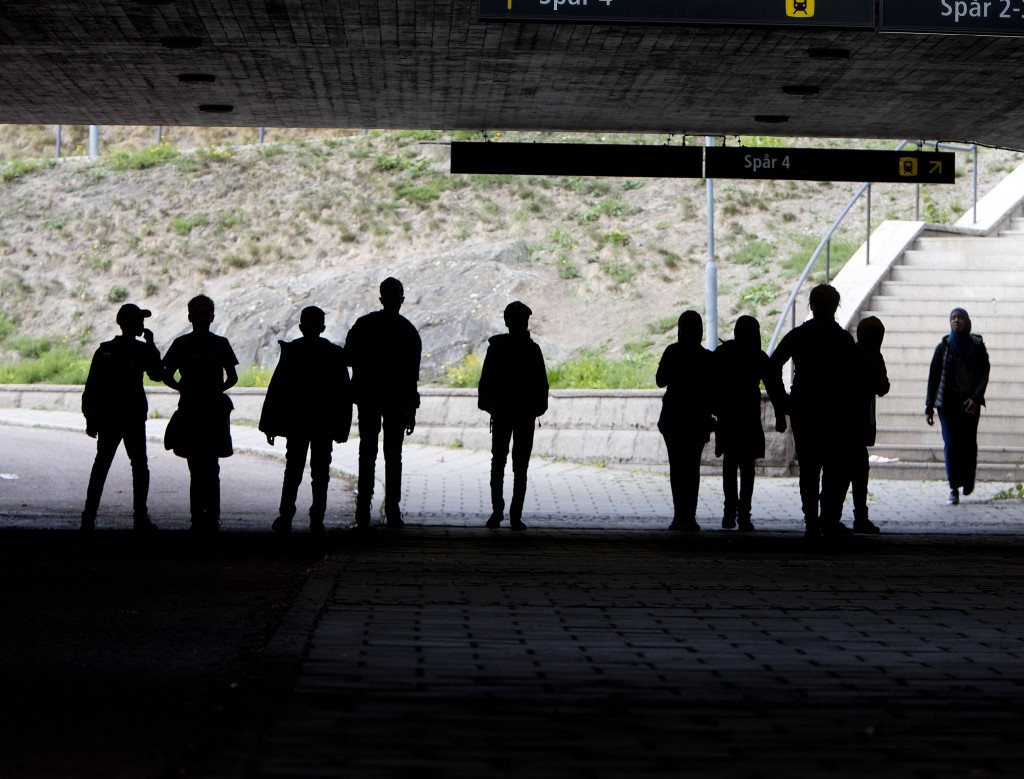


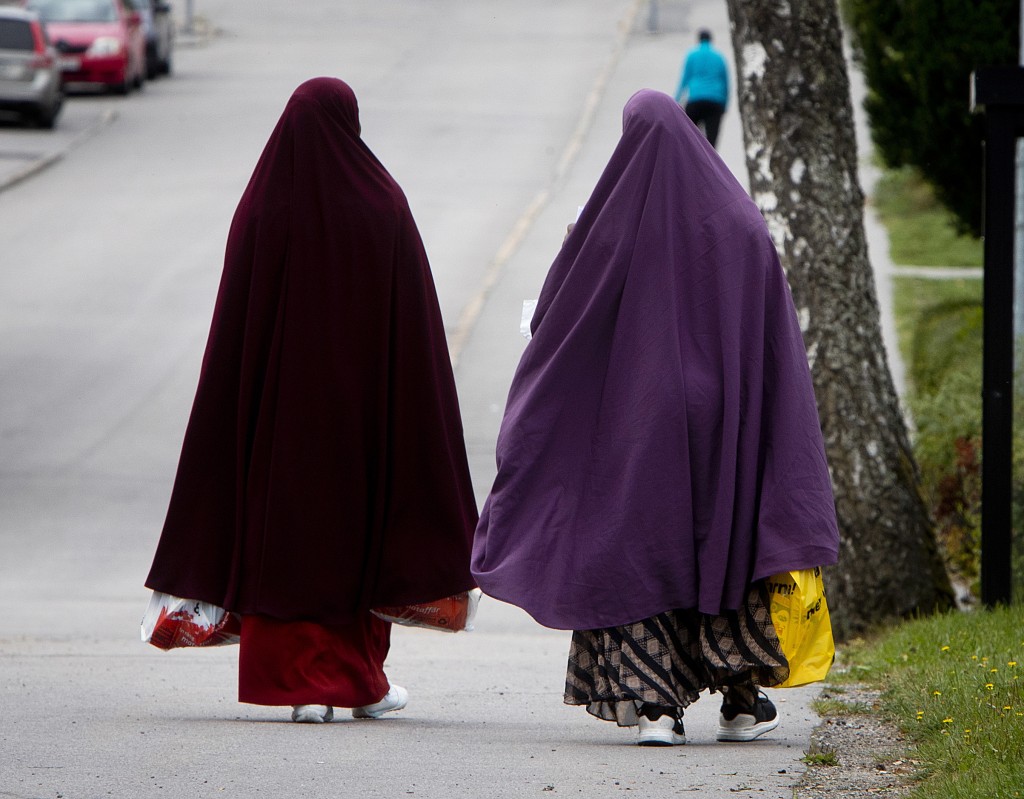
Title image: In this Aug. 30, 2018 photo, migrant pupils walk under a railway bridge In Flen, some 100 km west of Stockholm, Sweden. The town has welcomed so many asylum seekers in recent years that they now make up about a fourth of the population. (AP Photo/Michael Probst)

Share this:

Categories: Uncategorized



 Michael Walsh Stories and Books
It seems Sweden has always been a magnet for negroidal types. During the late 1940´s, the 50´s and 60´s black jazz musicians flocked to Stockholm in large numbers, there being feted as heroes. The influx of porch monkeys far exceeded that of their making inroads in Paris or other european cities. Interestingly black jazz musicians never were attracted to Rome, Madrid and only marginally to Berlin or other major european cities..This attraction to Sweden is probably based on the corruption and degeneracy of Swedish women, a characteristic noted by the german arch traitor Count Helmut Harry von Moltke who remarked on it to a letter to his wife in 1943 when visiting Stockholm on one of his devious foreign trips.
LikeLiked by 1 person