





They told the 22-year-old sanitation worker he couldn’t keep his grandmother with dementia. When the state tried to take her away, a stranger’s unexpected act changed their lives forever.
‘Sign the papers, Silas,’ the caseworker said, her voice completely devoid of emotion as she tapped her pen against the clipboard.
‘You work on a garbage truck from four in the morning until noon,’ she continued. ‘You are twenty-two years old. You cannot provide the round-the-clock care a progressing dementia patient requires.’
I stared at the paperwork sitting on my worn kitchen table. It felt like a death sentence.
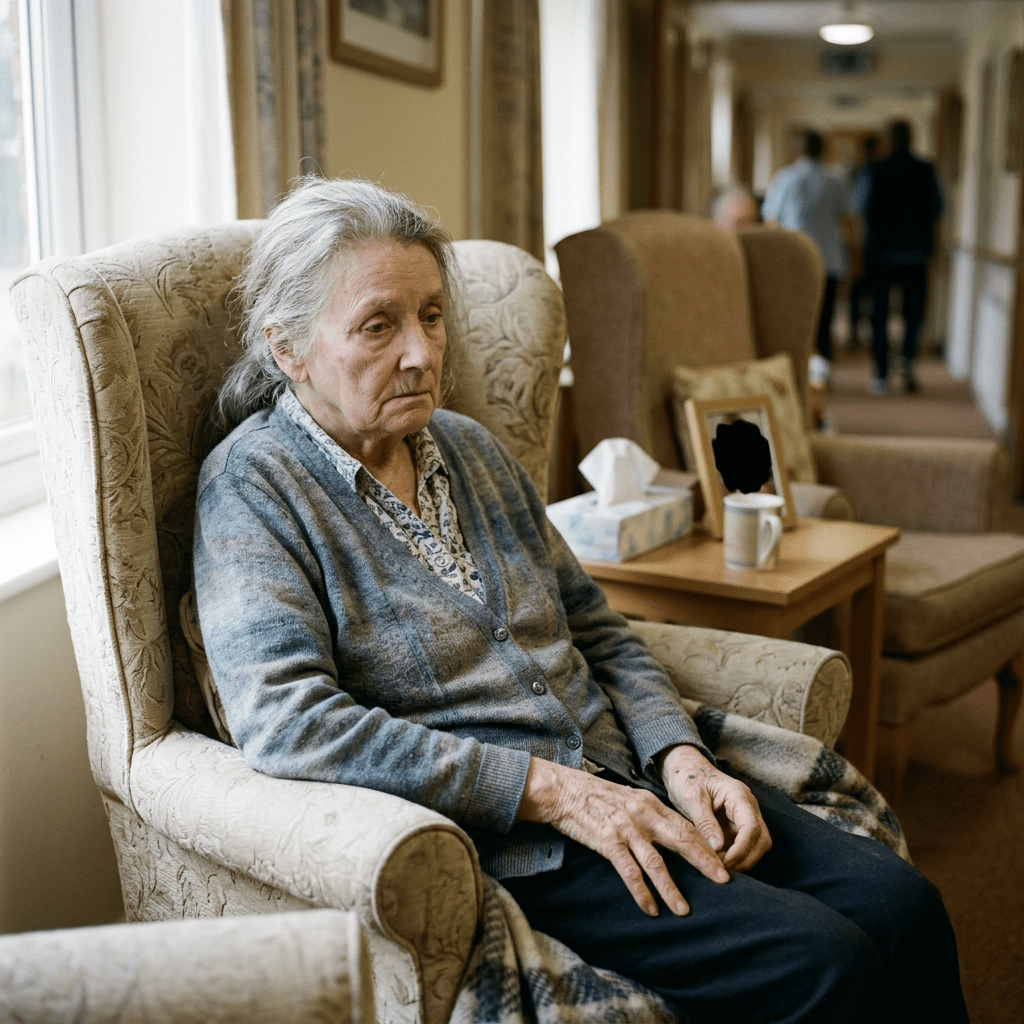
In the next room, my grandmother, Olenna, was humming a tune from the 1950s. She was the woman who had taken me in when I was just a baby, working three exhausting jobs to keep food on our table.
‘I’m not signing anything,’ I told the caseworker, pushing the clipboard back across the table. ‘She stays with me. I’ll figure it out.’
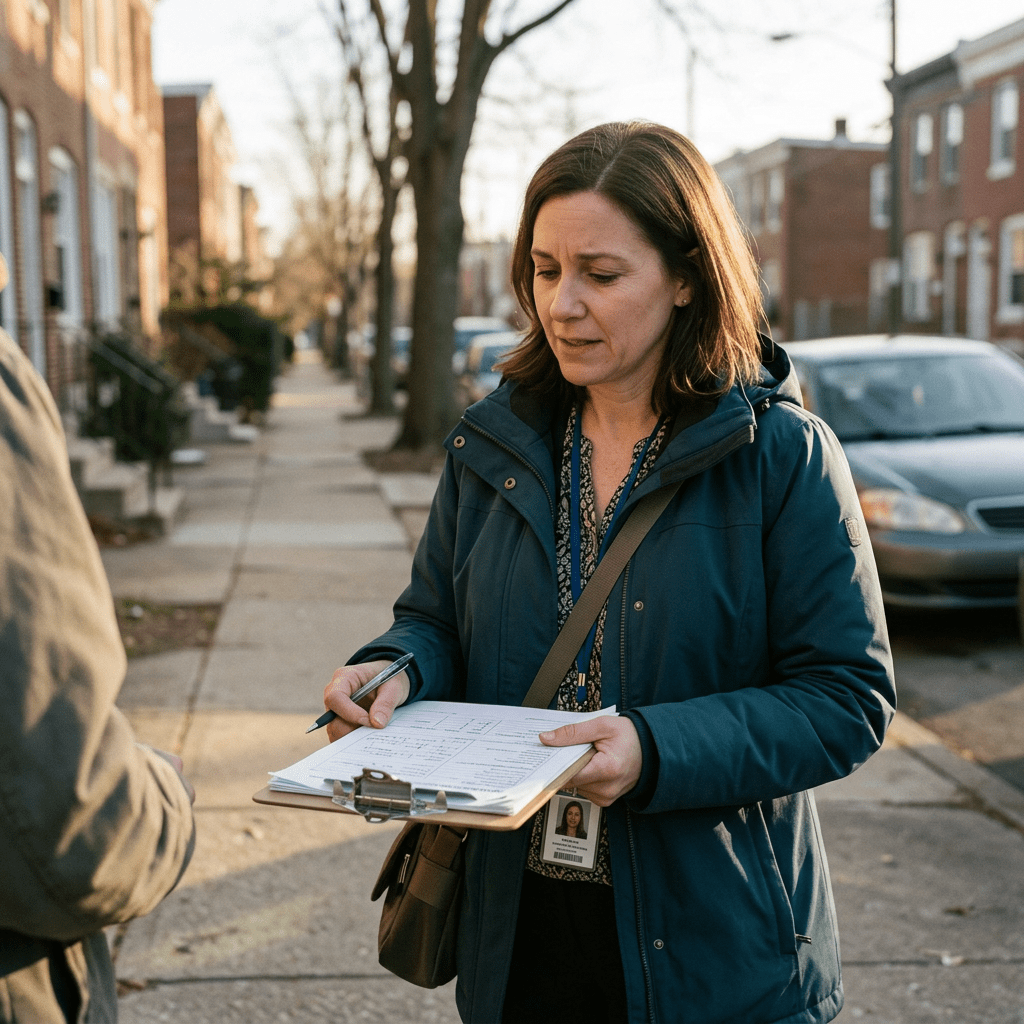
The woman sighed, packing up her briefcase. ‘You have a court hearing in exactly three weeks. The judge will make the final decision, Silas. And they rarely side with a twenty-two-year-old.’
When she left, the silence in our tiny Chicago apartment felt suffocating. I walked into the living room and knelt beside Olenna’s chair.
She looked at me, her eyes clouded but full of a gentle warmth. ‘Are you hungry, my sweet boy?’ she asked, completely forgetting we had just eaten breakfast.
I swallowed the heavy lump in my throat. ‘No, Nana. I’m okay.’
I knew the state wasn’t entirely wrong about my situation. My schedule was incredibly grueling. I was a sanitation worker for the city, hauling heavy bins through the bitter cold before the sun even came up.
I couldn’t afford a home health aide. I barely made enough to keep the heat on. But the thought of putting Olenna in a cold, sterile, state-run facility broke my heart. I knew she would fade away in a place like that.
So, I made a desperate choice. I decided to take her with me.
My route supervisor was an older man who had recently lost his own mother. When I explained the situation, he took a long drag of his coffee, looked around the empty depot, and quietly nodded.
‘Keep her in the cab. Keep her safe. If the higher-ups catch us, we’re both out of a job,’ he warned.
The very next morning at 3:30 a.m., I bundled Olenna in three layers of thick sweaters and wrapped my oversized, neon-reflective winter work jacket around her frail shoulders.
I lifted her into the warm cab of the garbage truck, buckling her in securely. I handed her a thermos of sweet tea, her absolute favorite drink.
‘We’re going on an adventure, Nana,’ I told her, forcing a cheerful smile despite my exhausting anxiety.
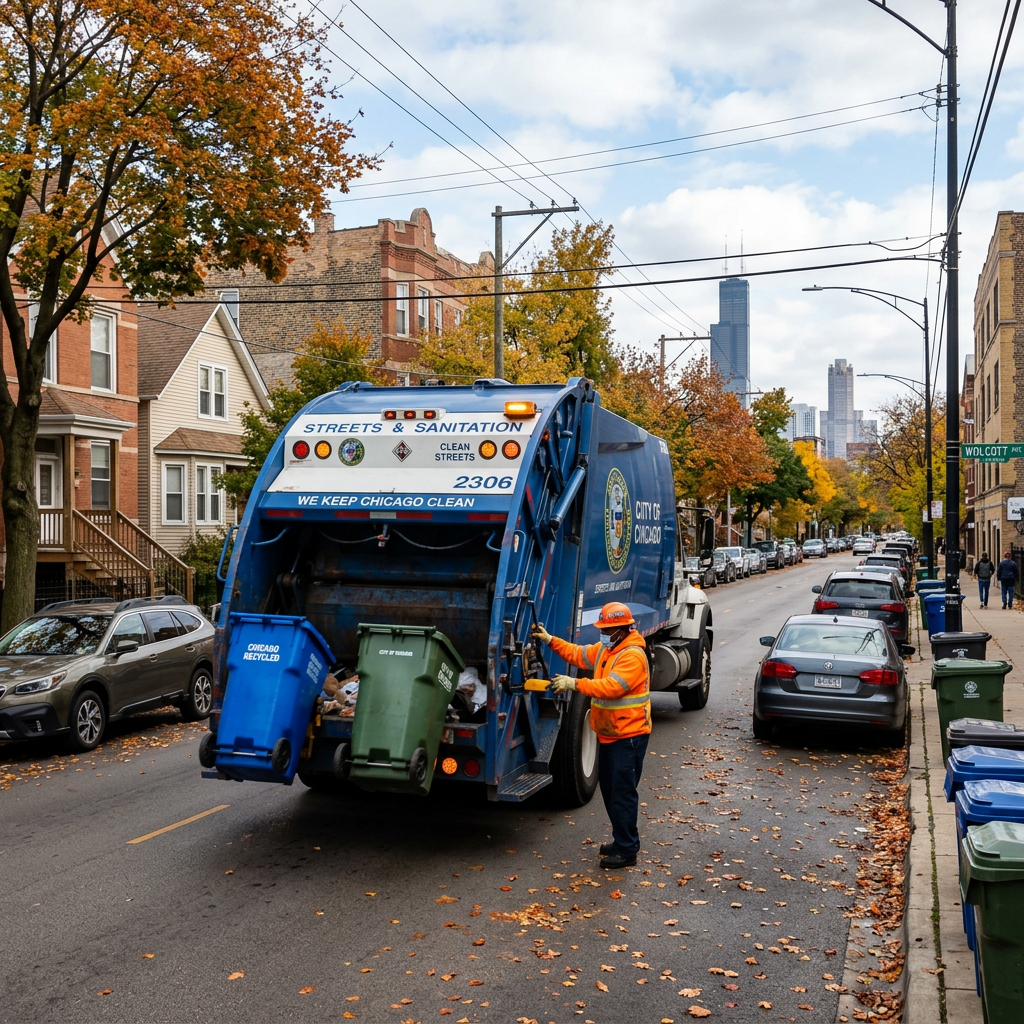
For the next three weeks, that became our secret routine. While I ran behind the truck, emptying heavy bins into the crushing compactor, Olenna sat safely in the warm, rumbling cab.
Every time I hopped onto the back step, I’d peek through the rear window. She was always there, sipping her tea, safely watching the city wake up through the frosty glass.
Our Tuesday route took us through one of the city’s wealthiest neighborhoods. Massive stone houses with perfectly manicured lawns lined the wide, quiet streets. I didn’t know it at the time, but someone was watching us.
Every Tuesday morning at 6:15 a.m., as I stopped in front of a sprawling, wrought-iron gated estate, an elderly woman sat by her second-story window.
She watched as I paused my back-breaking work to open the passenger door of the garbage truck. She saw me carefully adjust my neon jacket around a frail old woman’s shoulders, kiss her forehead, and hand her a fresh biscuit I’d warmed on the dashboard heat vents.
I never saw the face in the window. I was too focused on just surviving until the dreaded court date.
When that day finally arrived, I felt completely defeated. I stood before the family court judge in my only suit, which was at least a size too small.
The state attorney presented their case with ruthless efficiency. They highlighted my age, my intense manual labor job, and our near-poverty income level.
‘Your Honor, this young man is well-intentioned,’ the attorney stated coldly. ‘But it is medically and financially irresponsible to leave a vulnerable senior in his care. She needs a proper facility.’
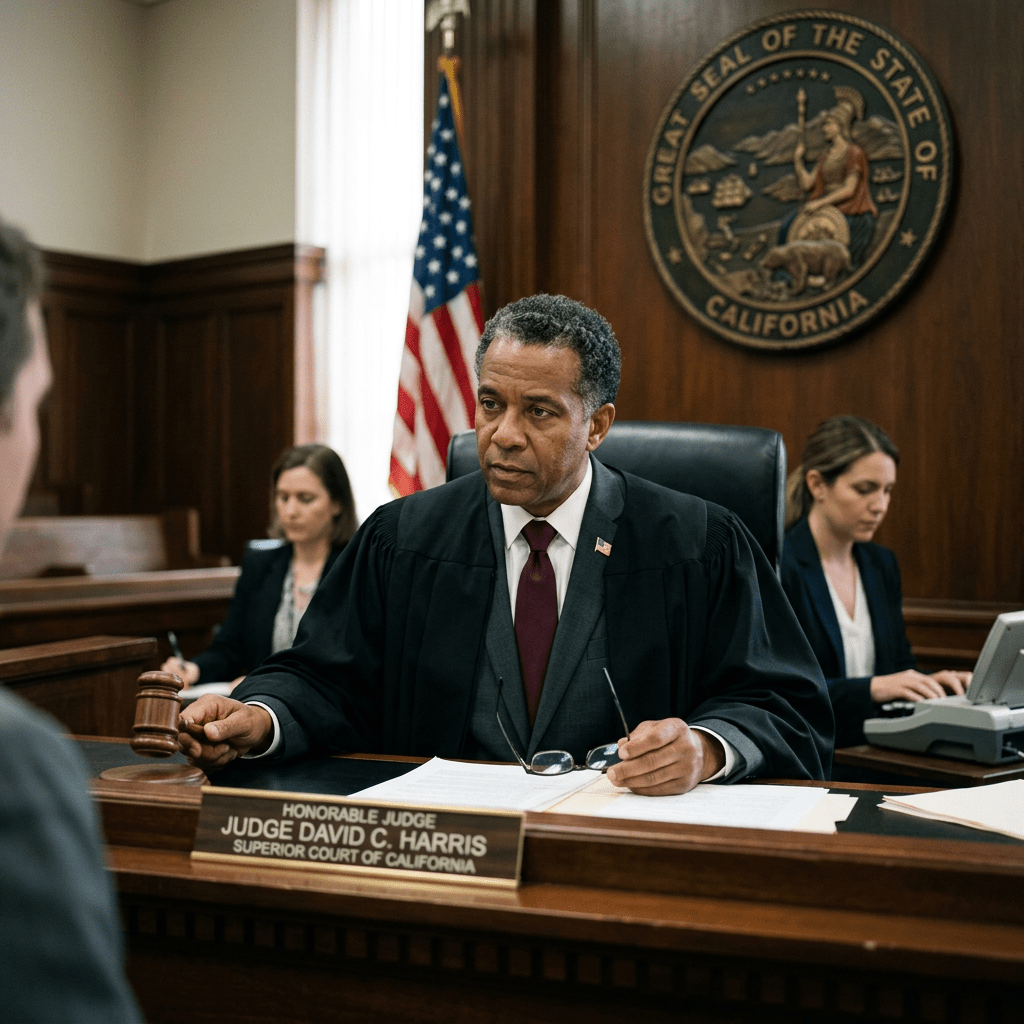
The judge looked down at me over his glasses. ‘Mr. Vance, what is your plan for her daily care while you are on a sanitation truck for eight hours a day?’
My heart hammered against my ribs. I couldn’t tell him I was illegally sneaking her onto a city vehicle. That would prove I was reckless and lose me my job instantly.
‘I love her,’ I choked out, my voice cracking in the painfully quiet courtroom. ‘She didn’t abandon me when I had absolutely nothing. I am not going to abandon her.’
The judge sighed softly, a look of genuine pity crossing his face. I knew exactly what that look meant. He was going to rule against me.
He raised his gavel, clearing his throat. ‘While I admire your dedication, the court must prioritize the medical safety of—’
Suddenly, the heavy wooden doors at the back of the courtroom swung open.
‘Excuse me, Your Honor!’ a sharp, authoritative voice echoed through the room.
Everyone turned. Walking down the center aisle was an elegantly dressed woman holding a designer leather handbag. She walked with a silver-handled cane, her posture perfectly straight and commanding.
‘I have evidence highly relevant to this young man’s character and capability as a caregiver,’ she announced, stepping right past the shocked state attorney.
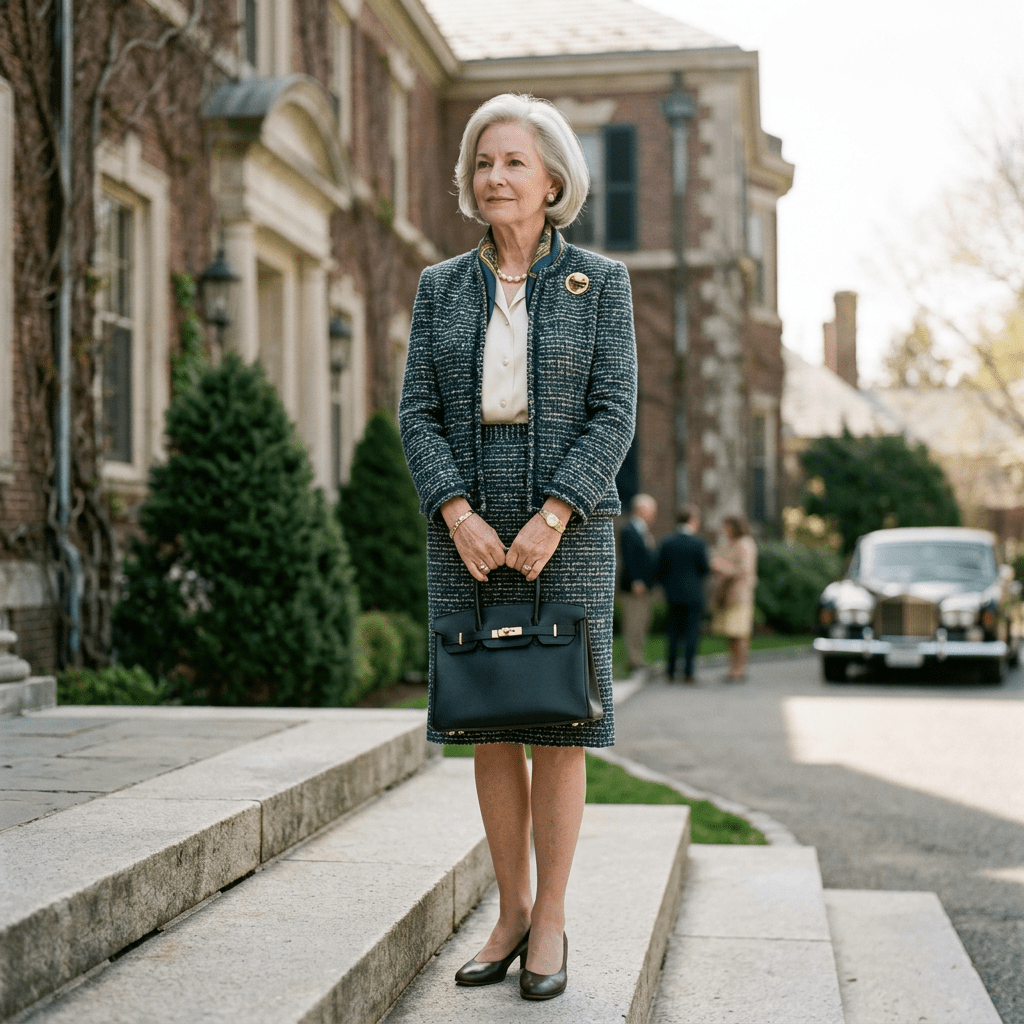
The judge frowned deeply. ‘Ma’am, who are you? You cannot interrupt a legal proceeding.’
‘My name is Eleanor Sterling,’ she replied calmly. ‘I own a considerable amount of real estate in this city, including the property at 400 Elmwood Drive. The exact property where this young man collects refuse every Tuesday morning.’
I stared at her, completely bewildered. Elmwood Drive was the wealthiest street on my route.
‘I am an insomniac, Your Honor,’ Eleanor continued, addressing the bench directly. ‘And for the past three weeks, I have watched this boy.’
She turned to look at me, and her eyes were suddenly shining with unshed tears.
‘I watched him pause his brutal physical labor in freezing temperatures just to make sure an old woman was warm. I saw him hold her hands to warm them up. I saw him treat her with more dignity, patience, and grace than I have ever witnessed in the finest medical facilities.’
The courtroom was dead silent. The caseworker’s jaw was practically resting on the floor.

Eleanor turned back to the judge. ‘The state argues he lacks resources. I am here to remedy that immediately.’
She pulled a thick folder from her designer bag and placed it firmly on the attorney’s table.
‘I own a ground-floor, fully accessible apartment building directly across the street from the city’s premier senior day-center. I am offering Silas and his grandmother a lease there, rent-free, for as long as they need it.’
I gasped, my hands gripping the edge of the defendant’s table just to keep myself from collapsing.
‘Furthermore,’ Eleanor stated with unshakeable authority, ‘I have prepaid for her enrollment at the day-centre. She will have top-tier medical supervision from 6 a.m. until 3 p.m. while he works. He will simply walk across the street to pick her up when his shift ends.’
The state attorney sputtered, frantically trying to find a legal objection, but the judge held up his hand, silencing the entire room.
The judge looked at the official paperwork Eleanor had provided, then looked down at me. A slow, genuine smile spread across his face.
‘The state’s primary concern was supervision during working hours,’ the judge declared. ‘It appears that concern has just been spectacularly resolved.’

He struck the gavel against the sounding block. The sound echoed like a gunshot of pure, overwhelming relief.
‘Petition for state wardship is denied. Guardianship remains entirely with Mr. Vance. Case dismissed.’
I broke down sobbing right there in the middle of the courtroom. I rushed over to Eleanor, awkwardly wrapping my arms around her elegant frame.
‘Why?’ I whispered through my heavy tears. ‘You don’t even know me.’
Eleanor patted my back gently. ‘My own children haven’t visited me in five years,’ she said softly. ‘I have all the money in the world, but I am entirely alone. When I saw how fiercely you loved her, it reminded me that the most valuable thing in this world isn’t wealth. It’s family.’
Today, Olenna and I live in that beautiful ground-floor apartment. Every morning, I walk her across the street to the day-center, where she paints, listens to old music, and is deeply cared for by incredible nurses.
Every afternoon, I pick her up, still wearing my heavy work boots. And every single Sunday, Eleanor comes over to our place for dinner.
People often think money, status, or a fancy job title make you capable of caring for someone. But they are entirely wrong.
Sometimes, all it takes is a person willing to wrap you in a neon jacket when you’re freezing. And sometimes, an unexpected act of kindness from a total stranger is all it takes to prove that love will always find a way to win.
THANK YOU FOR SHARING WITH FRIENDS AND SOCIAL MEDIA. WE WELCOME READERS’ COMMENTS
Share this:

Categories: christian



Love the truth?
You have heard his voice.
LikeLiked by 2 people
Shared here
https://gumshoenews.com/the-strickland-factor-has-trump-lost-his-fight/comment-page-1/#comment-203240
and here:
https://thenewkremlinstooge.wordpress.com/2026/05/12/the-shining-citys-bridge-to-nowhere/comment-page-3/#comment-114067
LikeLiked by 1 person