
Tag: European culture

Musical Notes: John McCormack

I make no excuse for focusing on the European artistes of yesterday. They endure through the centuries. Perhaps younger generations will discover that true quality doesn’t need to be built on marketing and real talent doesn’t have a ‘sell by’ date on it.

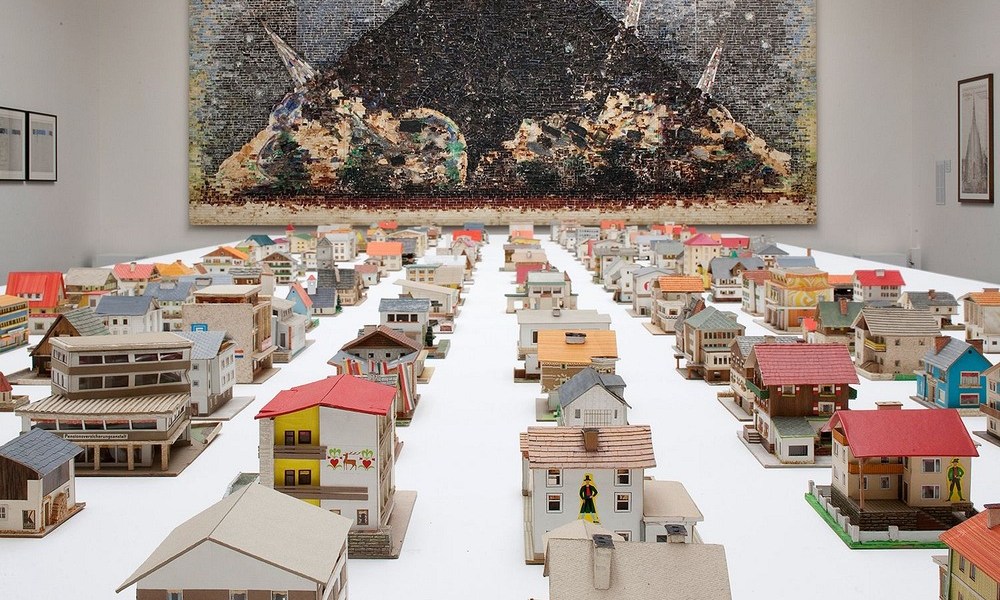
The 387 Houses of Peter Fritz

In 1993, while rummaging through a junk shop in Vienna, Austria, artist Oliver Croy made an extraordinary discovery—hundreds of beautiful, handcrafted architectural models each neatly wrapped in rubbish bags. Croy was so attracted by the skilled workmanship that he acquired the entire lot—nearly four hundred of them.

Free Media isn’t Free

Imagine you’re running a restaurant that struggles to stay open. People come and go; they sit at its terrace tables and read your newspapers. On leaving they congratulate you on your business and some leave a dime on the coffee cup’s saucer.

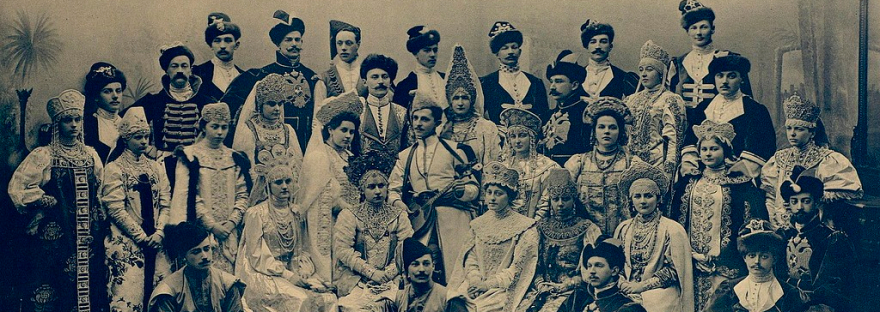
The Last Waltz for Europe

It was the last waltz for Europe and the last dance for humanity. Had one of Europe’s oldest, most successful and popular royal houses not been destroyed and consumed by New York-based banking houses the world would likely have been a far better place today.

The popular folk dance – Schuhplattler

The Schuhplattler is a traditional style of folk dance popular in the regions of Bavaria and Tyrol (southern Germany, Austria and the German-speaking regions of northern Italy). In this dance, the performers stomp, clap and strike the soles of their shoes (Schuhe), thighs and knees with their hands held flat (platt). There are more than 150 basic Schuhplattlers, as well as marches and acrobatic feats that are often interspersed with the basic dance in performance. They may be seen today in Europe and in German immigrant communities around the world. While the Schuhplattler is still largely performed by adults, it has become increasingly popular with youngsters, who love its colorful costumes and its bouncing, leaping, kicking and choreographed horseplay.