
Tag: European culture

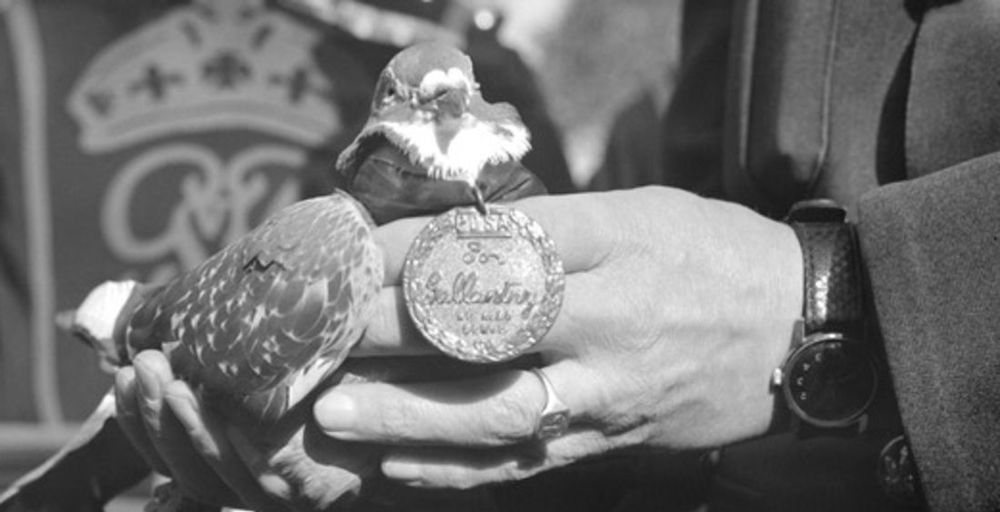
Heroic War Pigeons

World War One, and to some extent, the Second World War, was a strange blend of archaic and modern technology. The First World War, in particular, saw many technological innovations such as machine guns, grenades, submarines, warplanes and tanks, and despite the advances in radio and communications technology, many field commanders preferred to use carrier pigeons to convey important messages. Radio sets were too heavy to carry into battle, and field telephone lines snapped easily. With a homing pigeon, one could write a message on a piece of paper, place it inside a small canister and attach it to the pigeon’s leg. Once the pigeon was released, it would invariably try to fly back home and deliver the message.

The world’s most beautiful nation sucked into the EU swamp

The Daily Mail’s travel section once invited readers to identify the world’s most beautiful country. The surprising but obvious choice was Latvia. The nation dubbed ‘The Canada of Europe’ recovered its independence from the Soviet Bloc in August 1991. The Latvians right to take care of their affairs ended when their small but beautiful nation was coerced into joining the European Union Bloc in 2004.

Spring of Nations MK II

At a time when the alliance between Hungary and Poland appears to be growing in strength, Polish Prime Minister Mateusz Morawiecki greeted the Hungarian people in an online address to the Hungarian nation on the occasion of the Memorial Day of the 1848 Revolution in Hungary, which is commemorated on March 15.

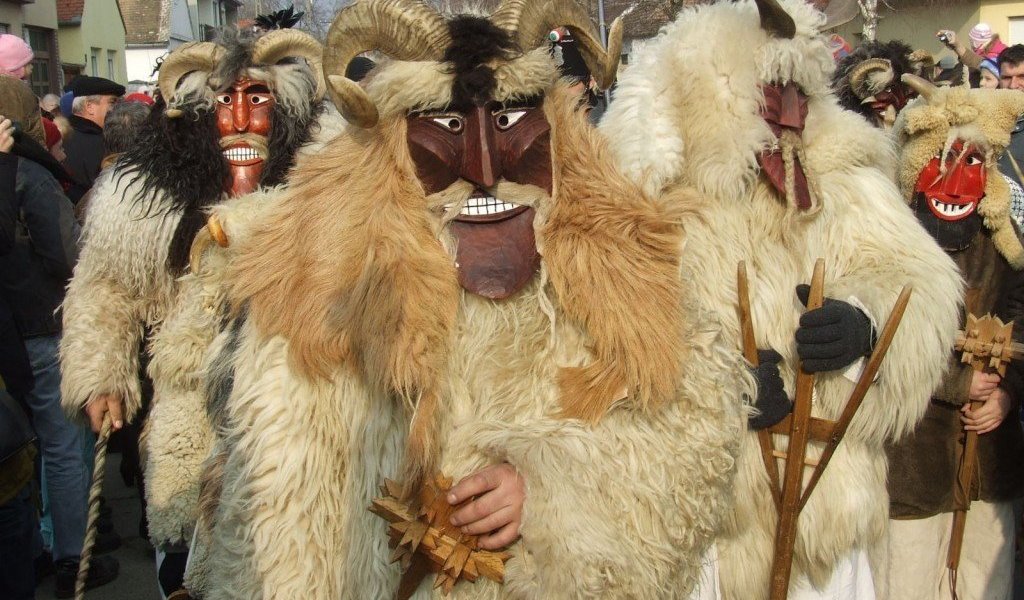
Spectacular Slavic Carnivals before Easter

Slavic carnivals are known under different names in various Slavic countries: [Macedonian language: ‘Прочка’ (Prochka)], Bulgarian: Сирни заговезни, Прошка (Sirni zagovezni, Proska), Russian: Масленица, Мясопуст (Maslenitsa, Miasopust), Polish: Ostatki, Mięsopust, Zapusty, Czech: Masopust, Šibřinky, Ostatky, Slovak: Fašiangy, Slovene: Mesopȗst, Pust, Pustni teden, Fašnk, Serbian: Покладе, Poklade, Croatian: Pust, Poklade, Mesopust, Fašnik. They are traditional Slavic festivals related to the period of carnival.

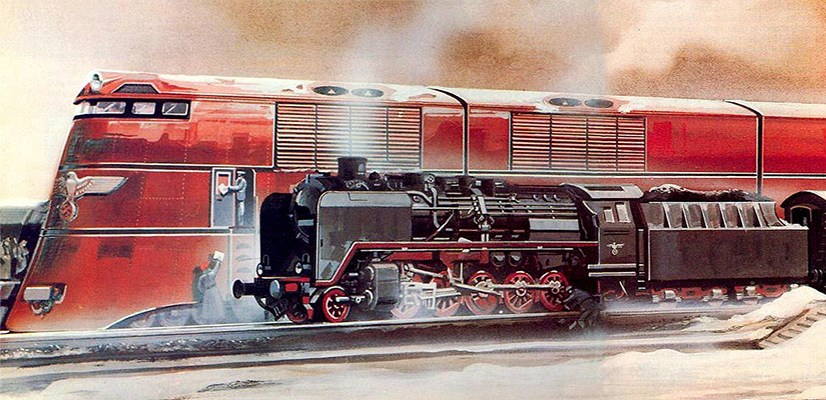
The Great Railway of Renaissance Europe

Adolf Hitler’s plans for renaissance Germany included an extraordinary new railway that by comparison would reduce all other railways rolling stock to almost laughable levels. This railway was designed to connect the most important cities in Greater Germany with trains 7 metre high (30 feet), carrying up to 4,000 passengers at speeds of 200 kilometres per hour.

Zones free of LGBT idolatry

The Polish Ministry of Justice has developed a bill that will deprive lesbian, gay, bisexual and transgender people of opportunity to adopt and adopt children. The country has already banned adoption for same-sex couples, but the ban can be circumvented if one future parent applies. Now the Polish authorities want to deprive LGBTIQ people of this opportunity as well.