
Beautiful new look for famed Veit Stoss Altarpiece in Kraków after renovation
The five-year-long conservation of one of the most important Gothic relics in Poland has been completed.

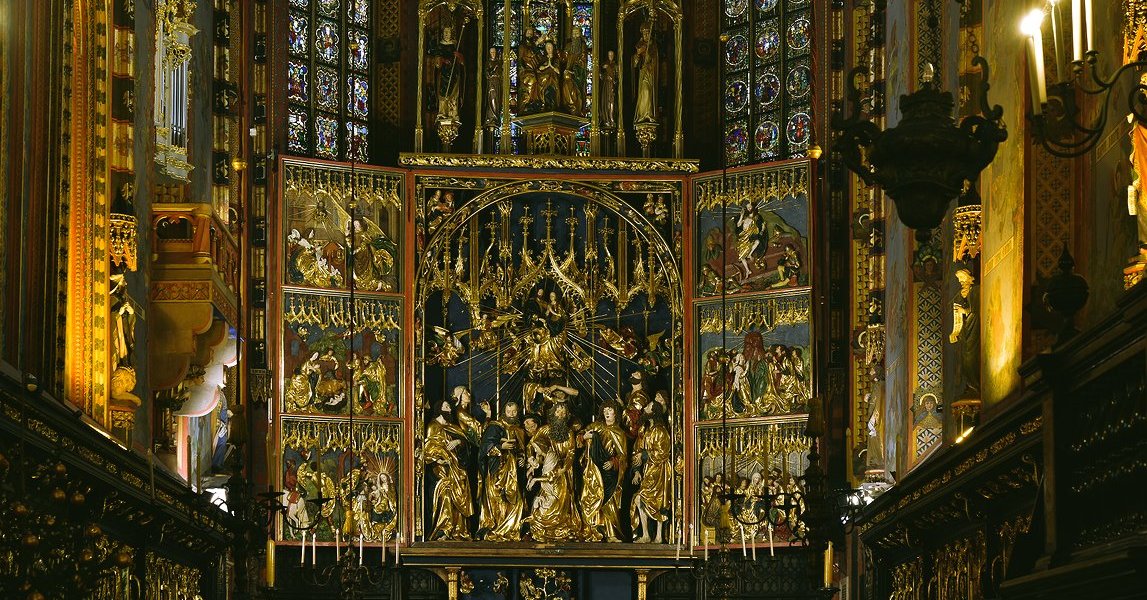
The five-year-long conservation of one of the most important Gothic relics in Poland has been completed.

While religious venues all over the Netherlands are often recycled into apartments and bars, some Dutch observers see covert outside pressure, namely the anti-religious strategy of Western elites as the key driver behind this process.

Carnival in Cologne is almost as old as the history of the city itself. But it has been celebrated in the organized fashion we know today for only about 190 years. The Greeks and the Romans celebrated joyous spring festivals in honor of Dionysus and Saturn with wine, women and song. The ancient Germans celebrated the winter solstice in order to pay homage to the gods and drive out the evil demons of winter. In later times, the Christians adopted these heathen customs. Lent, the period of fasting before Easter, was ushered in by carnival (carne vale = Farewell to meat!).

Not one Ireland player would ‘take the knee’ before the recent match against Wales at the Principality Stadium. As both spectacular teams lined up before their first-round Six Nations clash, an obligatory ‘anti-racism’ message was heard over the vast stadium’s Tannoy system.
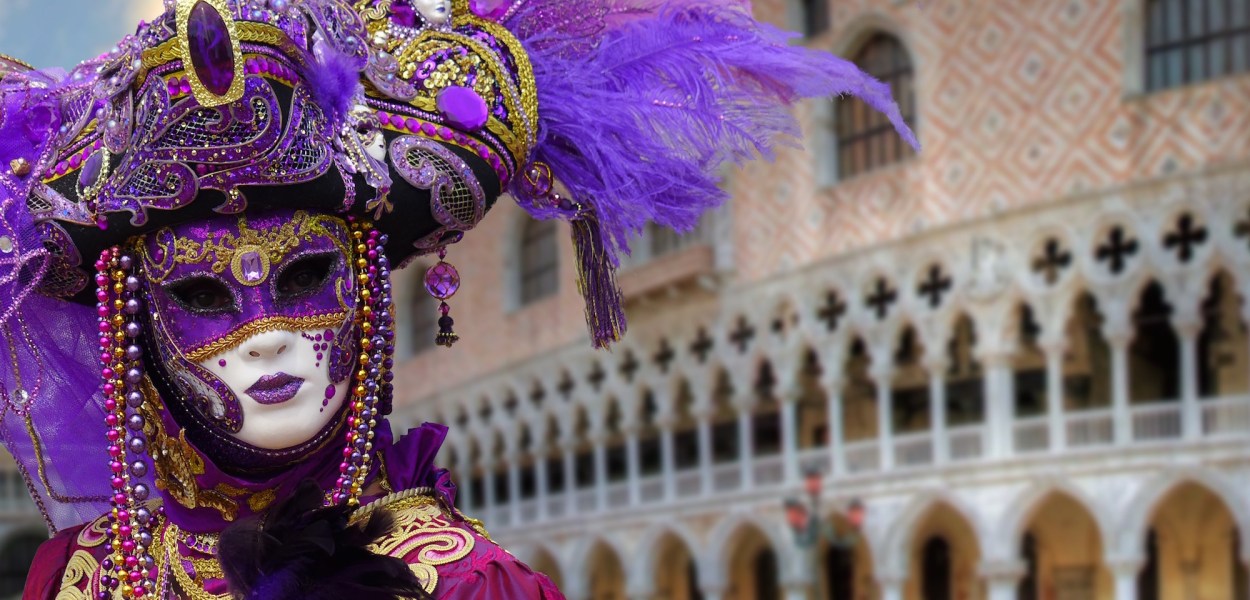
The legendary Venetian carnival is in full swing – alas, this year it takes place without tourists, online. Details – in the gallery of “Izvestia”.

I make no excuse for focusing on the European artistes of yesterday. They endure through the centuries. Perhaps younger generations will discover that true quality doesn’t need to be built on marketing and real talent doesn’t have a ‘sell by’ date on it.
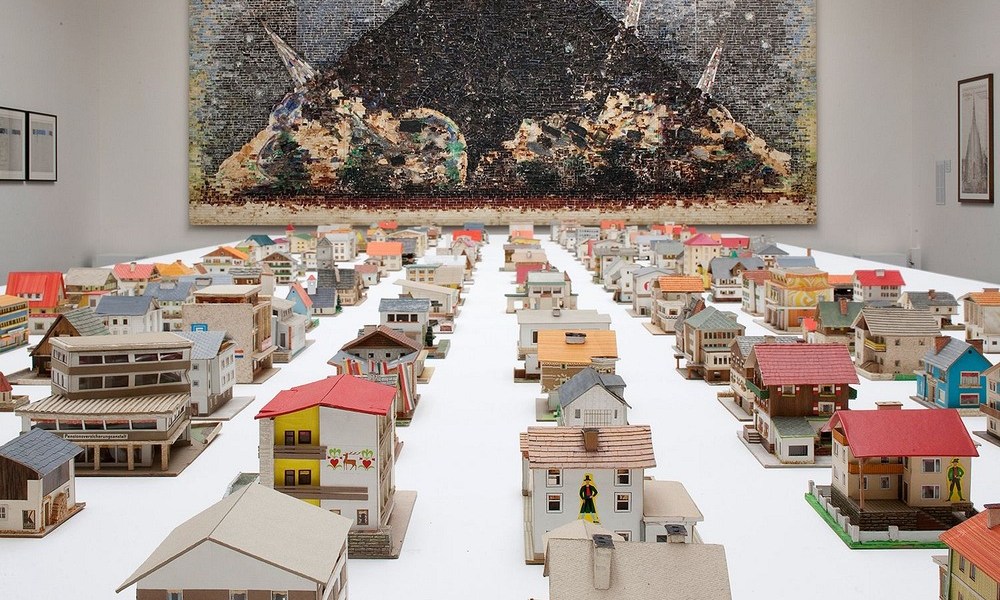
In 1993, while rummaging through a junk shop in Vienna, Austria, artist Oliver Croy made an extraordinary discovery—hundreds of beautiful, handcrafted architectural models each neatly wrapped in rubbish bags. Croy was so attracted by the skilled workmanship that he acquired the entire lot—nearly four hundred of them.
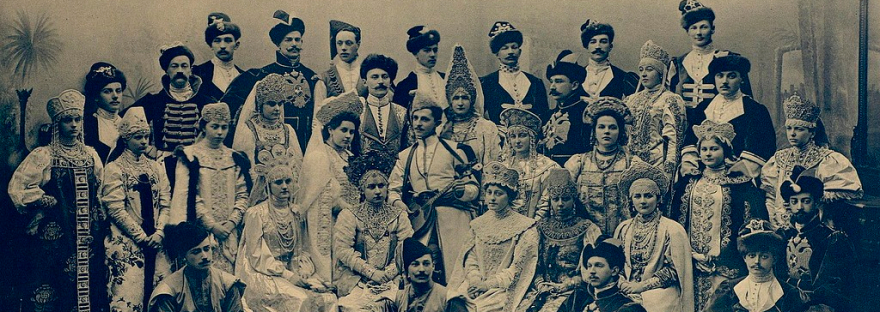
It was the last waltz for Europe and the last dance for humanity. Had one of Europe’s oldest, most successful and popular royal houses not been destroyed and consumed by New York-based banking houses the world would likely have been a far better place today.

The Schuhplattler is a traditional style of folk dance popular in the regions of Bavaria and Tyrol (southern Germany, Austria and the German-speaking regions of northern Italy). In this dance, the performers stomp, clap and strike the soles of their shoes (Schuhe), thighs and knees with their hands held flat (platt). There are more than 150 basic Schuhplattlers, as well as marches and acrobatic feats that are often interspersed with the basic dance in performance. They may be seen today in Europe and in German immigrant communities around the world. While the Schuhplattler is still largely performed by adults, it has become increasingly popular with youngsters, who love its colorful costumes and its bouncing, leaping, kicking and choreographed horseplay.
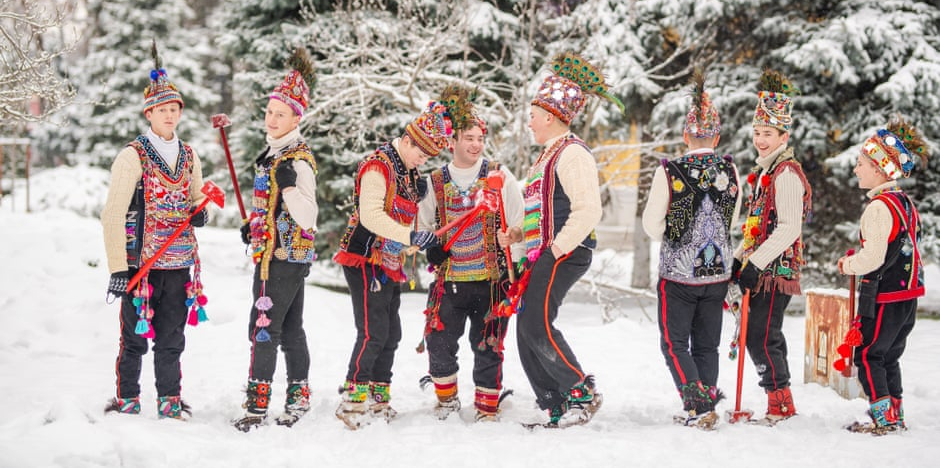
These festivals are unique and have an incredible energy – everyone has a great time dancing and singing. This particular image was captured at a festival in Botoșani, Romania.



 Michael Walsh Stories and Books
Recent Comments